


Virus-Host Interactions that Determine Infectious Outcomes
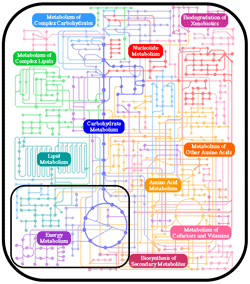
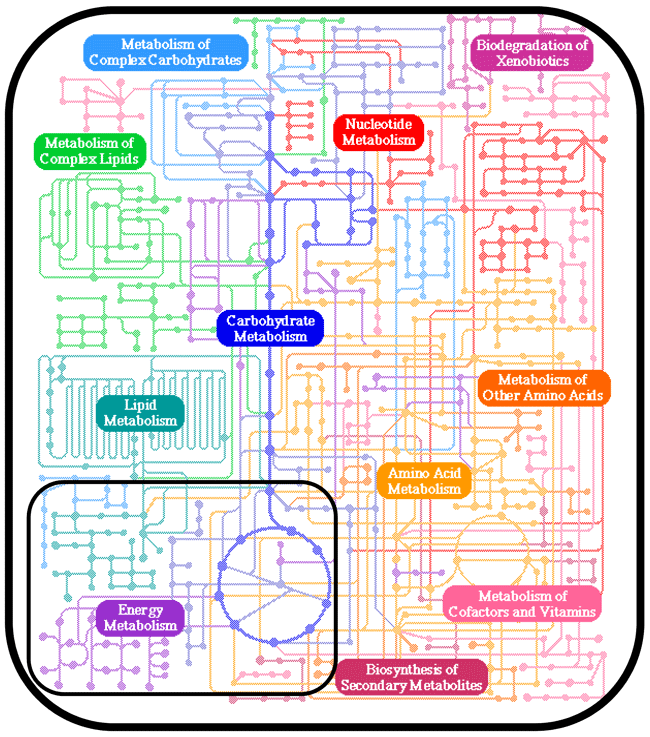
Representation of the cellular metabolome.
(Modified from the KEGG Pathway Database)
View image enlargement
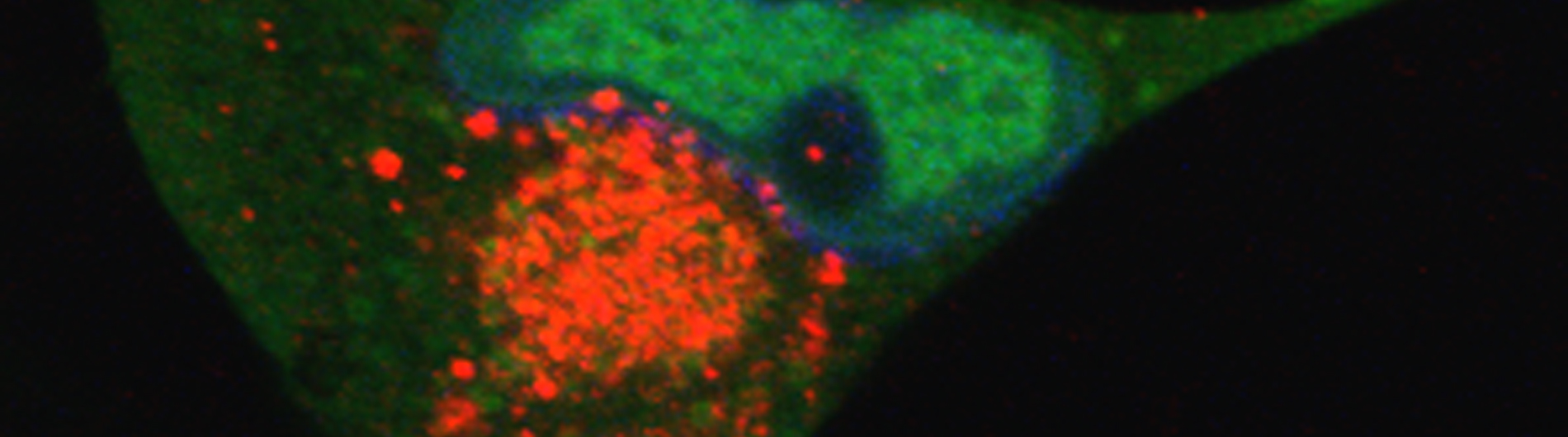
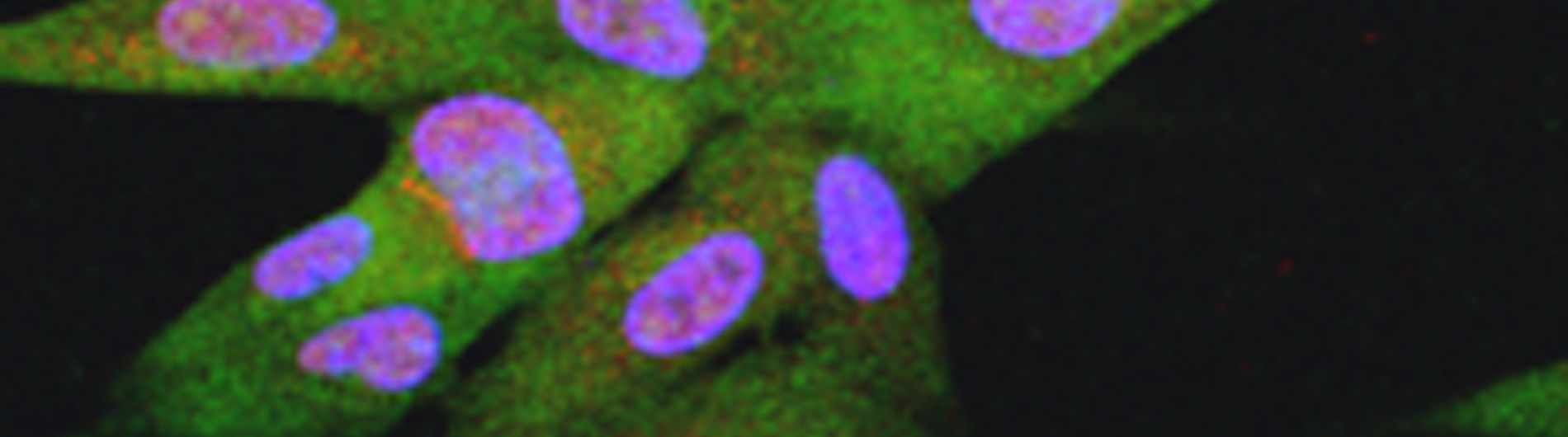
A major focus of our laboratory is human cytomegalovirus (HCMV), a herpes virus, which is the leading cause of congenital viral infection, occurring in approximately 1% of all live births. Congenital HCMV infection results in central nervous system damage in the majority of symptomatic newborns. HCMV infection also poses a serious health risk to immunosuppressed individuals, increasing morbidity in the elderly and in patients receiving immunosuppressive chemotherapy, including cancer patients, transplant recipients, and AIDS patients.
The majority of the projects in our lab study the interfaces between viruses and the host cell that determine the outcome of infection. Specifically, we focus on how viruses usurp cellular metabolic controls and subvert cellular anti-viral signaling to support productive infection. The goal of our laboratory is to increase our mechanistic understanding of these processes to identify novel avenues for therapeutic intervention that could prevent virally-associated pathogenesis.

Joshua C. Munger, Ph.D.
Principal Investigator


- HCMV infection depends on EGLN1-mediated mitochondrial activation to increase dNTP pools for viral DNA replication.; Cell reports; Vol 45(5), pp. 117329. 2026 Apr 29.
- Cellular antibody affinity-based CRISPR screening identifies JUNB as a broadly acting antiviral factor.; Proceedings of the National Academy of Sciences of the United States of America; Vol 123(14), pp. e2534154123. 2026 Mar 30.
- Catabolism of extracellular glutathione supplies cysteine to support tumours.; Nature. 2026 Mar 18.
- Bacteria-herpesvirus interaction reveals a proviral role of ISGylation in promoting herpesvirus capsid assembly.; bioRxiv : the preprint server for biology. 2026 Jan 20.
- Elevated Lactate in AML Bone Marrow Contributes to Macrophage Polarization via GPR81 Signaling.; Blood advances. 2025 Dec 09.
- MYC and Epithelial to Mesenchymal Transition (EMT) Independently Predict Circadian Rhythm Disruption in Lung Adenocarcinoma.; bioRxiv : the preprint server for biology. 2025 Aug 21.
News
Affiliations
- Biochemistry & Biophysics
- Microbiology & Immunology
- Center for Biomedical Informatics
- James P. Wilmot Cancer Center
- NIH T32 Training Grant in Cellular, Biochemical & Molecular Sciences
- NIH T32 Training Grant in Immunology
- Biochemistry & Molecular Biology Ph.D. Program
- Biophysics, Structural & Computational Biology Ph.D. Program
- Immunology, Microbiology, and Virology Ph.D. Program
- Mitochondrial and Metabolic Research Center
December 4, 2023
Joshua Munger Receives Outstanding Graduate Program Director Award
June 12, 2020
Cancer Investigators Pivot, Take on Coronavirus Research
August 1, 2019
Chris Goodwin Successfully Defends His Thesis
August 16, 2017
Biochemistry Graduate Students Sierra Fox and Chris Goodwin Explain CRISPR Gene Editing on YouTube
Contact Us
Munger Lab
MC 3-7544
601 Elmwood Ave
Rochester, NY 14642
(585) 271-2683