


Welcome to Microbiology & Immunology
Welcome to Microbiology & Immunology

Chair, Tanya Mayadas, PhD shares vision for the future
My vision for the department builds on the strong foundation previously established by my colleagues and focuses on five key priorities: recruiting and supporting outstanding researchers; fostering collaborative translational research across disciplines; expanding grant and philanthropic support to grow our portfolio and infrastructure; strengthening integration with the Institute of Immunological Sciences (IIS) to amplify immunology-focused research; and enhancing our teaching curriculum to promote cross-training and prepare the next generation of scientists and clinicians. I look forward to advancing these goals and strengthen our impact together.
Department Highlights
- The department is home to two NIH-funded training grants, Infection and Immunity: The Pathogenesis of Host-Microbe Interactions (T32AI118689) and Predoctoral Training Program in Immunology (T32AI007285).
- One of our graduate students was the co-inventor of the technology behind the current HPV vaccine.
- Our past students currently occupy leadership positions in academia, the biotech industry and the government.

Research
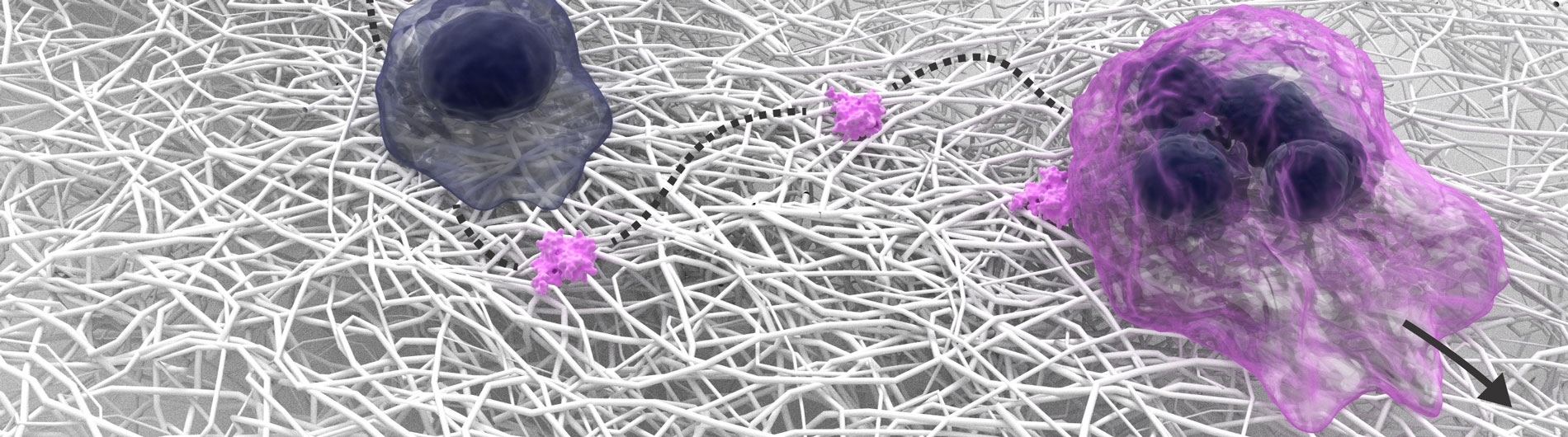
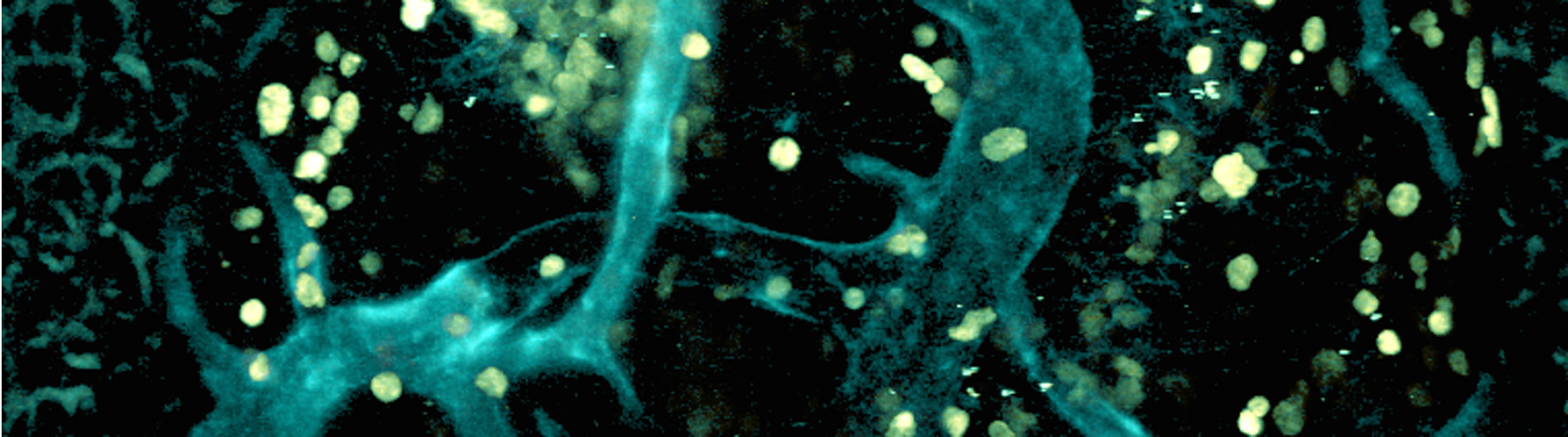
Our diverse faculty's cutting edge research spans several areas of microbiology and immunology
Education
Our multiple programs prepare individuals for a career specifically focused on research and education in microbiology, immunology and virology

People
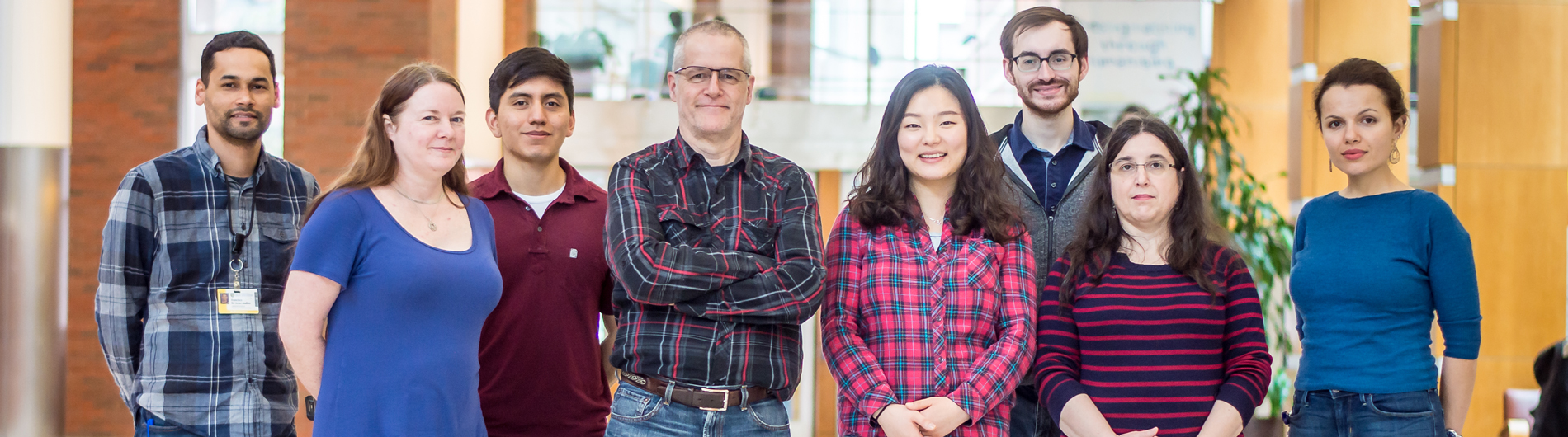
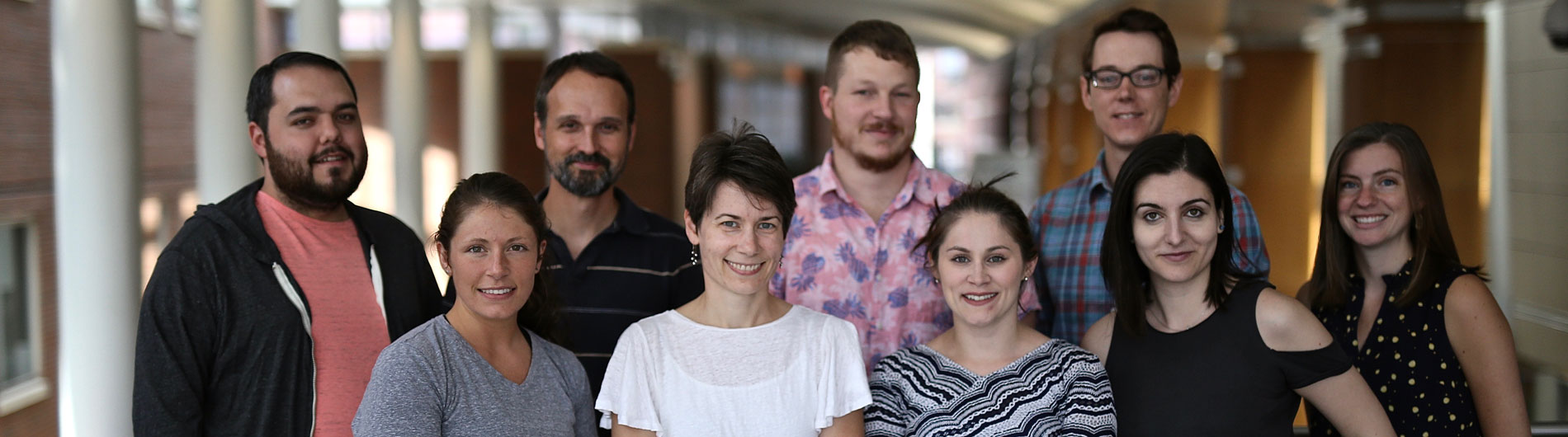
The Department of Microbiology & Immunology fosters collaborative research between laboratories and investigators.
Open Positions
Open Positions
Faculty Positions
We are currently seeking applicants for a faculty position at the Assistant, Associate or Professor level.
Postdoctoral Position in Dr. Tanya Mayadas Lab
A postdoctoral fellow position is available in the laboratory of Dr. Tanya N. Mayadas to investigate the emerging role of neutrophils as antigen-presenting cells and orchestrators of adaptive immunity in the context of cancer and autoimmune kidney disease, including lupus nephritis.
Learn More About the Postdoctoral Position
2026 Summer Fellowship in Immunological Sciences Research
Applicants must be a University of Rochester rising sophomore or junior undergraduate with a cumulative GPA of 3.00 or greater.
Deadline: Students must apply by Friday, March 27, 2026 11:59 p.m. to be considered for this opportunity.
Learn More About the Fellowship
Connect With Us On Social


Affiliated Programs
Affiliated Programs
Upcoming Events
Upcoming Events
"Double-Stranded RNA Spatial Dysregulation and Innate Immune Activation by a SARS-CoV-2 Defective Viral Genome" - Thesis Defense
Justin W. Brennan
PhD Candidate
Thu, Jun 25 @ 2:00 PM
MC | K207 (2-6408)Hybrid Event - Passcode 857842
Latest News
Latest News