
URMC CFAR in the News

UR Named Center for AIDS Research by the National Institutes of Health - One of Only 18 Centers in U.S.

The University of Rochester was named a Center for AIDS Research by the National Institutes of Health, a designation that infuses $7.5 million into HIV/AIDS work across the University and places it amongst the best in the nation for research to improve the prevention, detection and treatment of the disease. The new award spans five years and will be used to form unique collaborations, such as between the Department of Neurology at the Medical Center and the Institute of Optics on the River Campus, with the goal of delivering high-impact discoveries. Even more importantly, it will support the career development of the next generation of HIV/AIDS researchers – young investigators who will transform today’s discoveries into new treatments or practices – through mentoring programs and pilot grants. Click here to read the full press release. Interviews and press:

Stephen Dewhurst, PhDStephen Dewhurst Named Vice Dean for Research at UR School of Medicine and Dentistry and appointed Associate Vice President for Health Sciences Research at UR

Stephen Dewhurst, Ph.D., has been named vice dean for research at the University of Rochester School of Medicine and Dentistry. A faculty member since 1990 and past senior associate dean for basic research, Dewhurst will lead the School’s research strategic planning process and help advance its research priorities by identifying areas of excellence in which to make strategic investments; strengthening the research infrastructure; improving education and training; and promoting collaborations and alliances that will result in increased research funding.

Click here to read more...

HIV ParticlesBaek Kim speaks to the BBC News about a new Nature Immunology Publication

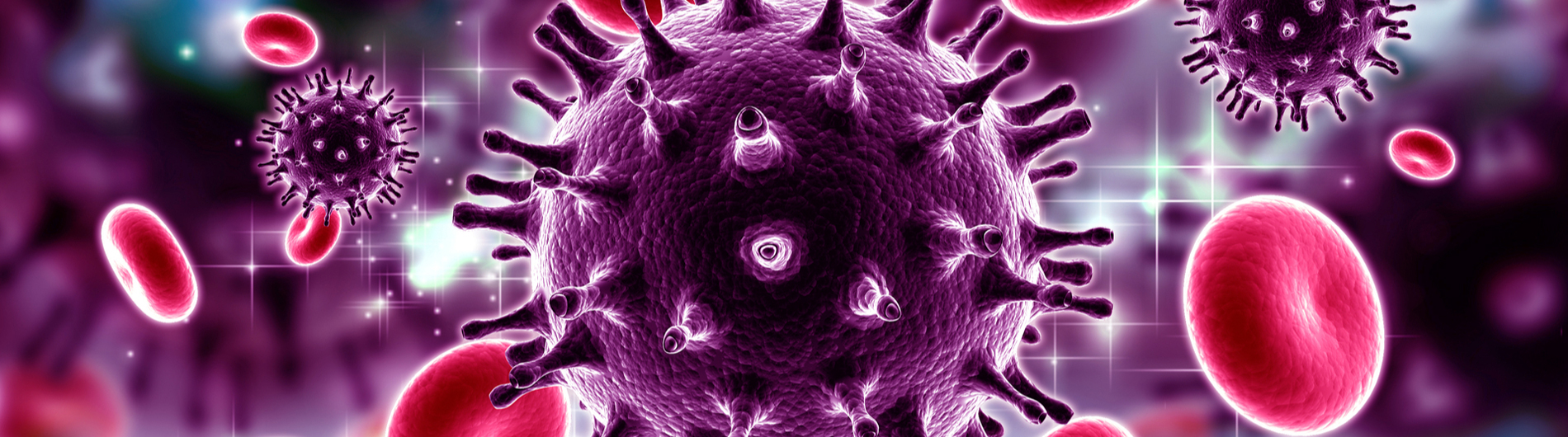
Scientists have shown how some cells in the body can repel attacks from HIV by starving the virus of the building blocks of life. Now scientists believe they know how it works. They have shown that SAMHD1 breaks down the building blocks of DNA. So if a cell needs to make a copy of itself it will have a pool of these building blocks - deoxynucleoside triphosphates or dNTPs - which make the new copies of the DNA. However, they can also be used by viruses. The study, by an international team of researchers, showed that SAMHD1 lowered the levels of dNTPs below that needed to build viral DNA and prevented infection. When they removed SAMHD1 then those cells had higher levels of dNTPs and were infected by HIV.

Michael R. Elliott Receives 2012 Creative and Novel Ideas in HIV Research Grant

December 7, 2012
Michael R. Elliott, Ph.D. was recently announced as a recipient of a Creative and Novel Ideas in HIV Research (CNIHR) research grant at the XIX International AIDS Conference in Washington D.C. The CNIHR program is jointly sponsored by the National Institutes of Health (NIH), the NIH-supported Centers for AIDS Research (CFARs) and the International AIDS Society (IAS) with the aim to promote innovative research and novel ideas from early stage investigators whose primary focus has previously been in fields of scientific inquiry other than HIV. Dr. Elliott will work with Stephen Dewhurst, Ph.D. to complete a research project, entitled Apoptotic cell clearance signaling and HIV-associated inflammation. An interview with Dr. Elliott describing this project can be viewed below:

UR Named Center for AIDS Research by the National Institutes of Health »

May 09, 2013

The University of Rochester was named a Center for AIDS Research (CFAR) by the National Institutes of Health, a designation that infuses $7.5 million into HIV/AIDS work across the University and places it amongst the best in the nation for research to improve the prevention, detection and treatment of the disease.

As Our Understanding of HIV Evolves, Grant Helps Providers Keep Pace »

February 19, 2013
Amneris Luque, M.D.

As our collective understanding of HIV pathology grows, yielding more sophisticated and successful treatments, so must the knowledge of front-line clinicians. Now, a new Agency for Healthcare Research and Quality (AHRQ) award will fund a URMC research team aiming to help by better circulating evidence-based practice guidelines amongst community providers who care for HIV-positive patients.

URMC Observes World AIDS Day with Talks, Events, Concert »

November 19, 2012

Two of the University of Rochester Medical Center’s HIV/AIDS research centers – the Developmental Center for AIDS Research and the Rochester Victory Alliance – have teamed up with other groups and community leaders to sponsor scientific seminars and local events to mark World AIDS Day, which is observed every year on Dec. 1. As the search continues for an effective vaccine, AIDS Day activities offer important avenues for presenting recent research findings and increasing awareness of the disease.

URMC Observes HIV Vaccine Awareness Day with Events »

May 11, 2012

The University of Rochester Medical Center’s HIV vaccine clinical trials unit, The Rochester Victory Alliance, will join with local community partners to present events and activities on May 15, 17 and 18, to mark HIV Vaccine Awareness Day, an annual observance to recognize and thank the thousands of volunteers, community members, health professionals, and scientists who are working together to find a safe and effective HIV vaccine. It is also a day to educate communities about the importance of preventive HIV vaccine research.

New Fund Will Support Early Stage Drug Discovery »

April 09, 2012

A new program, jointly funded by the University of Rochester Medical Center and the Moulder Center for Drug Discovery Research at Temple University, will help researchers identify and test chemical compounds that could be candidates for new drugs.

Starve a Virus, Feed a Cure? »

February 12, 2012

A protein that protects some of our immune cells from the most common and virulent form of HIV works by starving the virus of the molecular building blocks that it needs to replicate, according to research published online today by Baek Kim and graduate student Waaqo Daddacha in Nature Immunology.

URMC Marks World AIDS Day with Symposium, Concert, Vigils »

November 22, 2011

As the world approaches the 23rd anniversary of World AIDS Day, recent developments in global vaccine research are providing a glimmer of hope that an effective vaccine might be within reach. The University of Rochester Medical Center’s Developmental Center for AIDS Research (D-CFAR), the Rochester Victory Alliance (RVA) and other community groups have teamed up to sponsor a day of events on Thursday, Dec. 1.

Scientists Explore Whether What Heals the Head Can Also Heal the Heart »

November 02, 2011

What do heart disease and dementia have in common? Perhaps more than meets the eye, according to researchers at the University of Rochester Medical Center. A diverse group of scientists – experts in cardiology, neurology, immunology, microbiology and chemistry – are teaming up to study drugs that show promise in the treatment of dementia for the treatment of an equally debilitating disease – heart failure.

URMC and Temple University Announce Drug Discovery Partnership »

August 18, 2011

The University of Rochester Medical Center and Temple University School of Pharmacy have announced a partnership that will help translate novel medical research into new drugs for treating diseases.

A New Way to Attack Pathogens »

February 10, 2011

Scientists have discovered a new way to attack dangerous pathogens, marking a hopeful next step in the ever-escalating battle between man and microbe. In a paper published in the journal PLoS Pathogens, scientists demonstrate that by stopping bacteria’s ability to degrade RNA – a “housekeeping” process crucial to their ability to thrive – scientists were able to stop methicillin-resistant Staphylococcus aureus or MRSA both in the laboratory and in infected mice.

Unexpected Find Opens Up New Front in Effort to Stop HIV »

January 21, 2011

HIV adapts in a surprising way to survive and thrive in its hiding spot within the human immune system, scientists have learned. While the finding helps explain why HIV remains such a formidable foe after three decades of research – more than 30 million people worldwide are infected with HIV – it also offers scientists a new, unexpected way to try to stop the virus.

Researchers Target HIV-Related Brain Difficulties »

October 07, 2010

During the last two decades, scientists and doctors have developed a potent mix of medications that nearly stops HIV in its tracks for most patients. But an assault in the brain continues despite treatment. Handy Gelbard leads a team of scientists intent on developing the world’s first treatment designed specifically to prevent or ease the neurological effects of HIV.

Targeting Amyloid to Stop HIV »

September 28, 2010

Amyloid protein structures are best known for the troubles they pose in the brains of Alzheimer’s patients. Now researchers are trying to exploit their presence in a very different place – in semen – to find a new way to stop HIV. Scientists have created a substance that weakens the ability of HIV to infect the body’s immune cells.