Research
Cardiovascular Biology and Disease
- Atherosclerosis
- Heart Failure
- Lung Biology
- Cardiovascular Inflammation
The rapid advances in understanding the basic mechanisms responsible for normal function of the cardiovascular system have provided multiple approaches to study pathophysiology of cardiovascular disease. The overall goal of cardiovascular research is to understand how the cardiovascular system develops and responds to physiological and pathological changes. Understanding these processes will provide insight into new therapeutic approaches to treat diseases such as hypertension, coronary artery disease, atherosclerosis, stroke, myocardial infarction, and arrhythmias.
Active Research Laboratories
Cell Adhesion Molecules
In order to form functional tissues, cells must adhere to and communicate with each other and the surrounding extracellular matrix (ECM). Defects in these communication processes underlie key aspects of many diseases, including peripheral vascular disease, atherosclerosis, fibrosis, stroke, diabetes, inflammatory bowel disease and cancer. This group investigates these molecules and processes to engineer tissues, to identify predictive tools for focused therapeutic targeting, and to develop novel methods to analyze tissue and organ function.
Specific areas of focus
- How ECM proteins signal the development and function of vascular beds
- How adhesion molecule dysregulation contributes to disease processes
- How communication between different cell types controls integrated tissue and organ function
- How integrated signaling can be used to identify new drug targets
Active Research Laboratories
GPCR Signaling
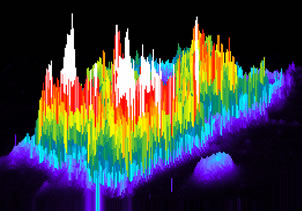
GPCRs constitute the largest family of cell surface receptors in the human genome and are the largest single class of targets for human therapeutics. Research in the area of G protein-coupled receptors (GPCRs) has exploded in the last 5-10 years culminating in the awarding of the 2012 Nobel Prize in Chemistry for GPCR research to Brian Kobilka and Robert Lefkowitz. Analysis and manipulation of GPCRs and the signal transduction networks that they activate has impact on all aspects of physiology and human disease including cardiovascular disease, cancer, diabetes, stem cell biology, and immunology; all of which are primary strengths at the University of Rochester. Approaches to GPCR signaling biology also encompass a broad range of scientific disciplines that range from whole animal approaches, single molecule spectroscopy and imaging, proteomic analysis, structural biology and the detailed molecular dissection of signaling pathways relevant to human disease.
Specific areas of focus
- Analysis and of GPCR-dependent signaling pathways in pathological states with a goal to identify novel therapeutic targets and approaches.
- Development of small molecule therapeutics targeting GPCR signaling for treatment of pain, autoimmune diseases, cancer and heart failure.
- Detailed molecular analysis of GPCR signaling mechanisms.
Active Research Laboratories
 Ion Channels
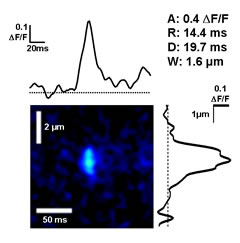
Ion channels are expressed in every cell in the body and are among the most targeted proteins in clinical therapeutics. Ion channel defects underlie a multitude of debilitating diseases, including cardiac arrhythmias, heart failure, myasthenia, myotonia, epilepsy, ataxia, cystic fibrosis and diabetes. This group is working to unravel the molecular details that determine ion channel function, the mechanisms by which ion channel defects lead to human disease and apply this information toward the development of novel drug interventions.
Specific areas of focus
- Ion channel structure, function and regulation
- Mechanisms of cardiac arrhythmias and heart failure
- Pathophysiology and treatment of disorders of muscle excitability
- Modulation of intracellular calcium signals
- Control of neurotransmitter release and protein/fluid secretion
Active Research Laboratories
Mitochondrial Biology
- Mitochondria in Disease
- Mitochondria in Muscle Function
- Mitochondria in Neuronal Function
- Redox regulation in Biology
Mitochondria regulate signaling, metabolism, and energy production needed for cellular function. Recent scientific studies show that mitochondrial dysfunction is more commonplace than previously thought and that substantial mitochondrial involvement is present in many acute and chronic diseases. Mitochondrial dysfunction is now implicated in a range of human diseases, including aging, diabetes, atherosclerosis, heart failure, myocardial infarction, stroke and other ischemic-reperfusion injuries, neurodegenerative diseases including Alzheimer’s and Parkinson’s diseases; cancer, HIV; sepsis and trauma with multiorgan dysfunction or failure. Given the critical role of mitochondrial function discovering the fundamental mechanisms of mitochondrial function and dysfunction is a unifying theme for the development of therapeutic strategies for human health.
Active Research Laboratories
Neuropharmacology

Normal brain development and function depends on complex mechanisms that regulate the survival and function of neurons and glial cells. When these mechanisms are perturbed, the resulting neuronal dysfunction and cell death can lead to numerous diseases and disorders including Alzheimer's disease, obsessive-compulsive disorder, schizophrenia, anxiety, and stroke. The neural network that underlies incentive learning and decision-making that leads to the development of action plans is a focus of ongoing neuropharmacological research. Opioid receptors, the proteins that bind morphine and heroin, mediate many important neuronal functions, including pain and mood. Alterations of these functions underlie the narcotic addiction process. Ongoing studies are directed at understanding the mechanisms involved in drug addiction, and in medications development to treat addiction and to minimize the development of drug dependence in patients being treated with an addicting drug.
Specific areas of focus
Active Research Laboratories