Highland Family Medicine
Part of Highland Hospital
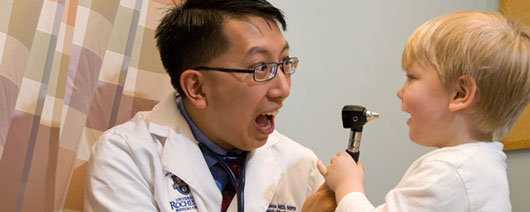
What Family Care Should Be
The physicians at Highland Family Medicine in Rochester, NY, care for every member of your family at every stage of life. We keep expectant mothers healthy, deliver babies, and address the physical, emotional, mental, and social needs of children, adolescents, adults, and seniors. And we understand how family dynamics can affect each member's health and well-being.
Personal. Respectful. Accessible. Inclusive. Forward-looking. Committed.
When we talk among ourselves about our practice, we use words like "personal," "respectful," "accessible," "inclusive," "forward-looking," and "committed." Here's what these words mean to us:
-
The best results for our patients can be achieved only when we really get to know them. The process begins at our first point of contact and deepens as we build long-term relationships.
-
Patient values and preferences are honored. You're the center of your health care team.
-
We provide care where people live, in the heart of Rochester.
-
We provide the same high quality of care for all, regardless of age, race, gender, ethnicity, religion, disability, sexual preference, language, type of illness, or ability to pay.
-
While we have the expertise to manage nearly any disease or disorder you're likely to face, our focus is on keeping you healthy in the first place. Prevention is the future of health care.
-
We can't be committed to families without also being committed to our community. Our patients range from the very advantaged to the most underserved and vulnerable among us. We support special projects for the underserved both here and in Honduras.