

Neural Control of Hand and Finger Movements
Our lab investigated how the brain controls movements of the body. A longstanding line of investigation explored control of fine finger movements, like those used in typing, playing a musical instrument, or performing delicate surgery. More recent work studied the combination of reaching, grasping, and manipulating. Additional recent projects investigated the voluntary control of neuronal activity, the modulation of mirror neuron populations, and the ability to inject information into the brain using intracortical micro-stimulation.
Dr. Schieber is no longer accepting trainees
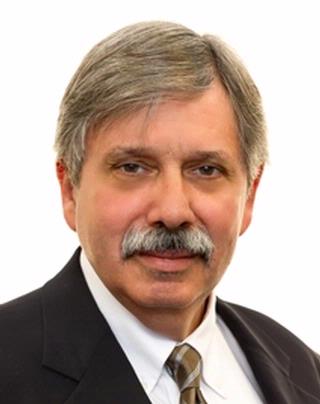
Marc H. Schieber, M.D., Ph.D.
Principal Investigator
Publications
View All Publications- Neural representation of action symbols in primate frontal cortex.; Nature. 2026 May 20.
- Facial gestures are enacted through a cortical hierarchy of dynamic and stable codes.; Science (New York, N.Y.); Vol 391(6781), pp. eaea0890. 2026 Jan 08.
- Neural synchrony links sensorimotor cortices in a network for facial motor control.; Proceedings of the National Academy of Sciences of the United States of America; Vol 122(52), pp. e2512604122. 2025 Dec 23.
- Disentangling indirect versus direct effects of somatosensory cortex microstimulation on neurons in primary motor and ventral premotor cortex.; Journal of neural engineering. 2025 Sep 17.
News
Affiliations
Contact Us
Schieber Lab
601 Elmwood Ave,
Rochester, NY 14642