
Converting Stem Cell Biology into Stem Cell Medicine
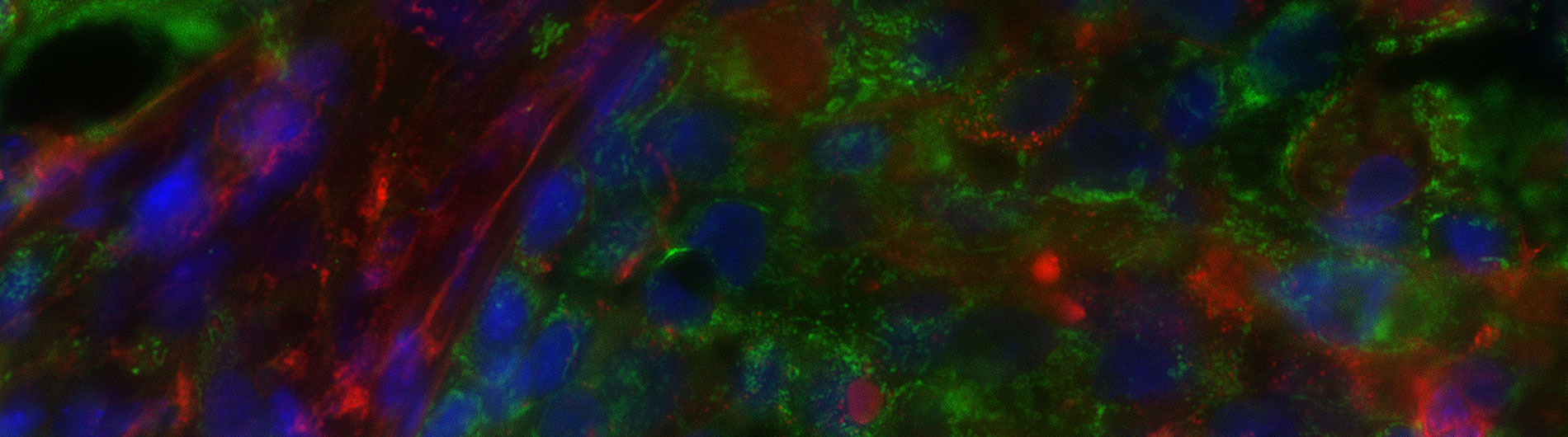
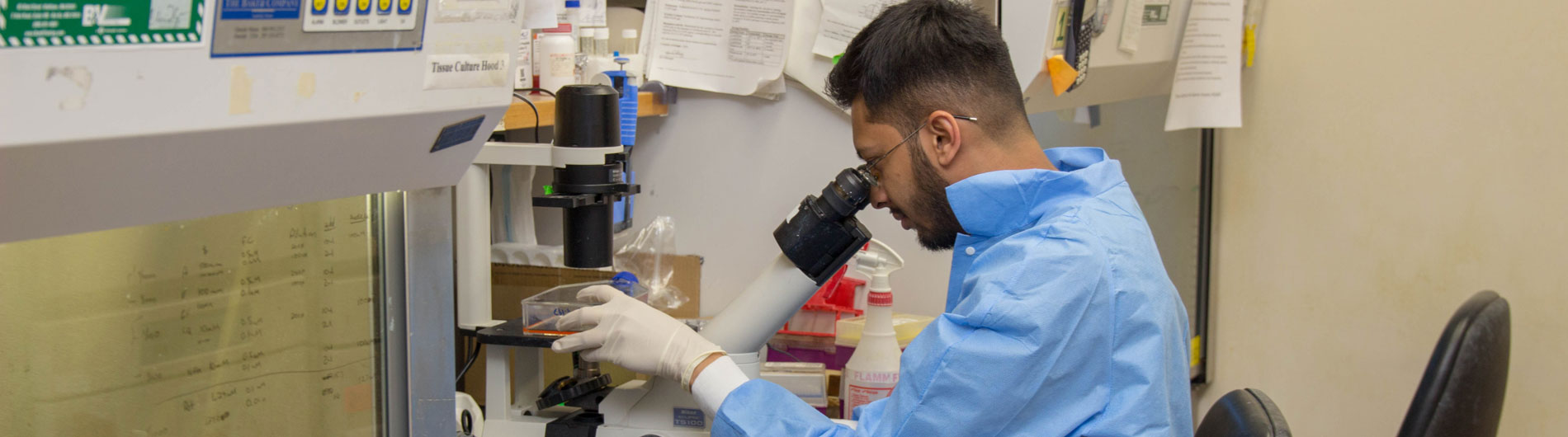
The central goal of our research is make discoveries with the potential of altering the treatment of afflictions for which there are currently no satisfactory therapies. This is the most exciting – and demanding – challenge in all of biomedical research. The difficulties in making such discoveries has all the features that make science exciting, including the opportunity to venture into new territories and make entirely new discoveries, to work on complex problems that are constantly stimulating and to contribute to making the world a better place for individuals and families for whom current medical knowledge is not sufficient to provide benefit.
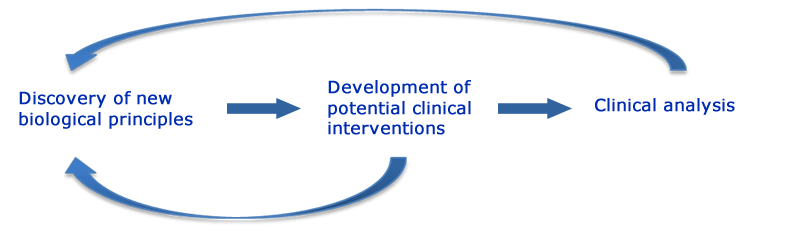
We pursue these efforts by studying both normal and pathological cell and tissue function to discover new biological principles, and by discovering means of restoring normal function in pathological situations. In addition, we also utilize our new potential therapies as powerful tools of discovery as well as studying their potential as treatments. Thus, we do not approach the challenge of translational research as a one-way flow from the laboratory to the clinic. Instead, we pursue a continuous process of discovery in which information gained from every point along this path has the ability to provide still more new discoveries.
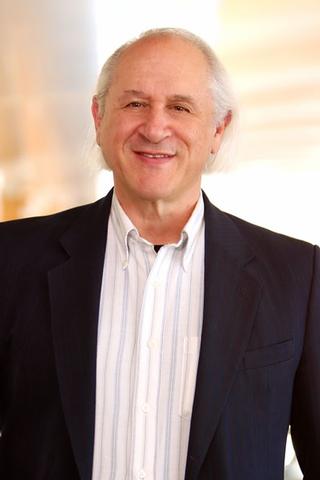
Mark D. Noble, Ph.D.
Principal Investigator
Publications
View All Publications- Heterozygous carriers of galactocerebrosidase mutations that cause Krabbe disease have impaired microglial function and defective repair of myelin damage.; Neural regeneration research; Vol 13(3). 2018 Mar.
- Heterozygote galactocerebrosidase (GALC) mutants have reduced remyelination and impaired myelin debris clearance following demyelinating injury.; Human molecular genetics. 2017 May 31.
- Lysosomal Re-acidification Prevents Lysosphingolipid-Induced Lysosomal Impairment and Cellular Toxicity.; PLoS biology; Vol 14(12). 2016 Dec.
- Erythropoietin accelerates functional recovery after moderate sciatic nerve crush injury.; Muscle & nerve. 2016 Nov 07.
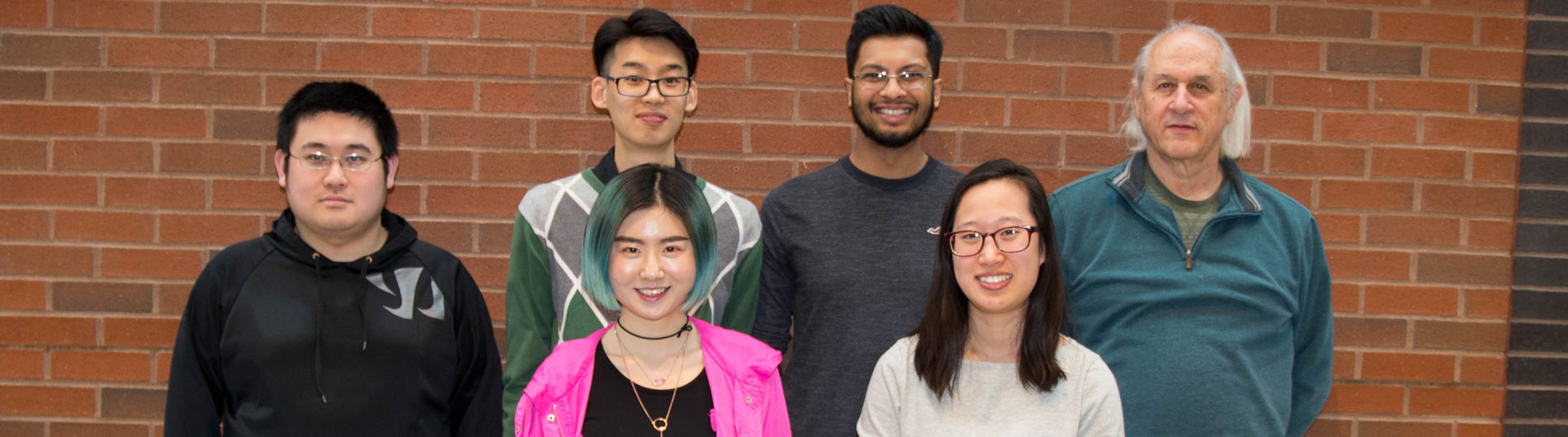
Lab Members
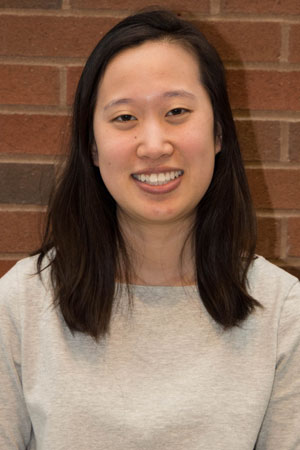
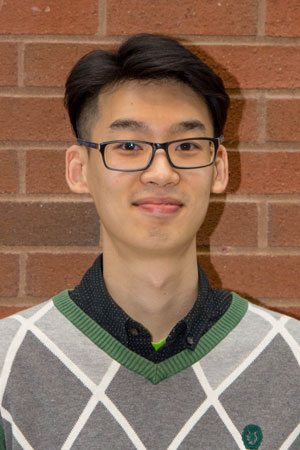
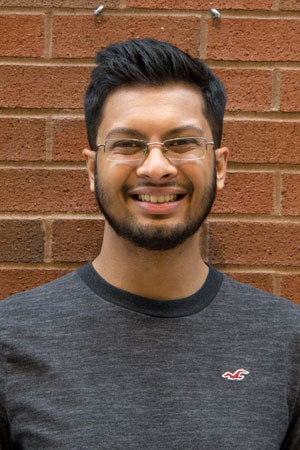
News
Affiliations
October 5, 2021
GDSC Graduate Student Ludia J. Pack Passes her Qualifying Exam!
April 30, 2018
Wilmot announces new Pilot Award recipients
February 20, 2018
A Noble pursuit; finding the best science to help the most people
September 10, 2017
GDSC Team supports the 2017 Wilmot Cancer Warrior Walk
December 21, 2016
Repurposed drugs may offer improved treatments for fatal genetic disorders
November 14, 2016
Repurposed Drug May Offer Diagnosis, Treatment for Traumatic Nerve Damage
Contact Us
Noble Lab
MRB 2-9625
Box 633
601 Elmwood Ave
Rochester, NY 14642