Psychosocial Medicine
Overview of P2 Program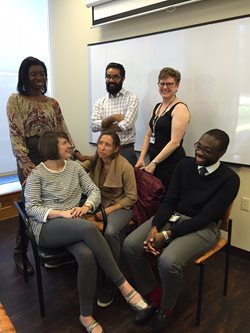
"P2" stands for Psychosocial Medicine and Practice Improvement and is a 16-week long rotation during the second year of residency. This specialized curriculum has been one of the major and most unique strengths of our residency program for over 40 years.
The average full-time family physician in our region conducts about 4500 patient visits per year. For a third to a half of those visits, psychosocial difficulties will be at the core of the presenting problem. When you consider this number, and the complexity of the patient presentations in a primary care practice, you begin to see why we find it essential to prepare our residents to be psychosocially aware of their patient's needs. We find it equally important to ensure physicians develop self-awareness and identity as health care professionals so they can provide effective patient-centered care. Resident feedback on the experience is consistently positive - "I found this rotation to be invaluable. It was transformative to my practice as a family physician."
The Practice Improvement Component of the rotation aims to give residents an opportunity to grow their practice improvement skills with hands-on experience in group medical visits, continuous quality improvement, the patient-centered medical home (PCMH), and leadership.
Training Activities
The following are training and activities during 16 weeks of the rotation.
Participate in weekly practice-based didactic seminars that incorporate a lifespan orientation to psychosocial topics, and that include evidence-based skills for integrating into Family Medicine practice and patient care.
Participate in training on substance use and abuse in primary care, including determination of appropriate levels of care, addressing problematic use in adolescence, and partnership with specialty care.
- Training in the provision of Medications for Opioid Use Disorder (MOUD, formerly known as Medication Assisted Treatment/MAT) and in eligibility and appropriateness for medical marijuana.
- Develop skills around conducting family meetings and understanding family systems in our Family Practicum sessions, incorporating live peer and faculty observation and feedback.
- Develop primary care counseling skills through live supervision and video review of physicians' sessions; expand skills in the provision of evidence-based brief behavioral intervention to help patients cope with and better manage an array of health concerns.
- Reflect on their own physician practices under physician supervision.
- Engage in community resources that are accessible to patients when they encounter bereavement, grief, chronic disease management, and barriers to implementing healthy lifestyle choices.
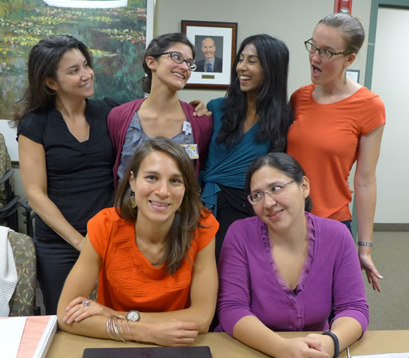
- Engage in reflective practice groups led by a facilitator with expertise in group process, guiding residents through the management of affect in both our patients and ourselves.
- Advance understanding of how to use psychiatric consultation and the diagnostic interviewing process through observation of psychiatric consultations and follow-up interviews that take place on-site.
- Learn about behavioral health care management through participation in e-consult and registry review sessions with our psychiatric consultant and care management team.
Longitudinal Psychosocial Experience
As a complement to the P2 rotation, residents participate in a three year longitudinal psychosocial curriculum, adapted to the development needs of interns and upper level residents. Peer support groups are facilitated for all residents to practice self-reflection with their peers related to difficult patient encounters.