



Welcome to the Department of Pharmacology & Physiology
Welcome to the Department of Pharmacology & Physiology
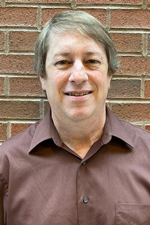
A Message from the Chair, Robert Dirksen, Ph.D.
The Department of Pharmacology and Physiology consists of faculty, fellows, students, and staff who are dedicated to cutting-edge scientific research, in order to work towards a better understanding of how the human body functions and to alleviate human diseases.
The faculty is composed of distinguished scientists who are international leaders in the fields of cell signaling, G-proteins and ion channels, mitochondria and mechanisms of cell death, cardiovascular diseases and vascular biology, neurodegeneration and drugs of abuse, and integrative neurosciences.
The department promotes a strong training program for both graduate students and post-doctoral fellows, and many of our graduates have gone on to become leaders in academia, industry and government.
The University of Rochester is now in the process of implementing a new strategic plan, which emphasizes a number of research fields, including neuromedicine and cardiovascular biology that fit well with our research interests. The Department is enthusiastic about being a part of this plan and the anticipated growth in the University’s research enterprise, as we aim to be one of the finest medical centers in the world.
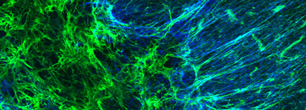
Research
Our diverse faculty's cutting edge research spans several areas of Pharmacology and Physiology.
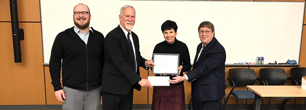
Education
Our multiple programs prepare individuals for a career specifically focused on research and education in Pharmacology and Physiology.
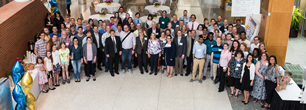
People
The Department of Pharmacology & Physiology fosters collaborative research between laboratories and investigators.

Better Together
The Department is committed to providing an inclusive and welcoming environment for all students, staff, and faculty.
Upcoming Events
Upcoming Events
There is no upcoming seminar scheduled.
Latest News
Latest News
June 15, 2026
Researchers Harness the Body’s Internal Clock to Improve Stroke Recovery
January 26, 2026
Why is sleep so important? Your brain depends on it
October 18, 2025
University of Rochester Neurobiologist Suzanne Haber Elected to National Academy of Medicine
September 30, 2025
Congratulations Michael Malloy on receiving a F31 Predoctoral Fellowship from the National Institutes of Health!
September 27, 2025
Amy Hong Receives the Connie Eaves Award!