
Clinical Research
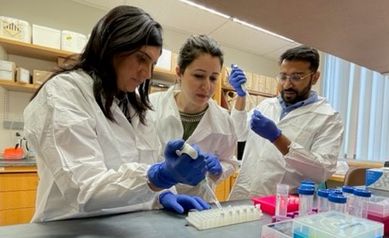
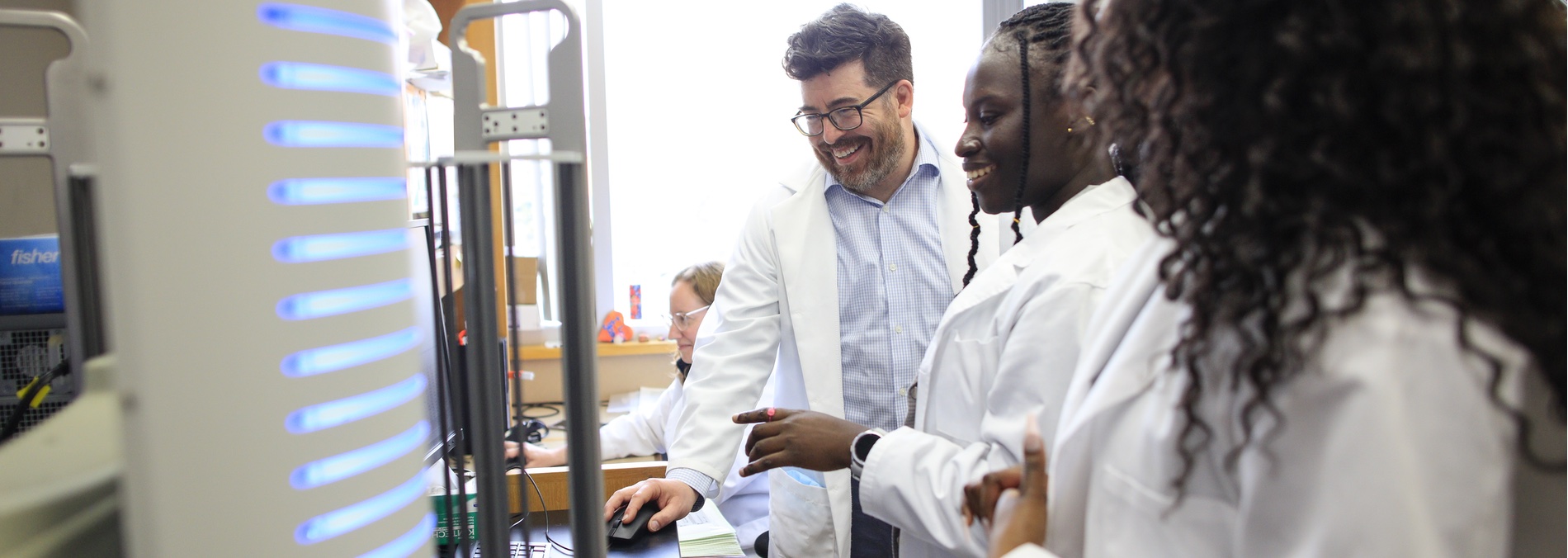
In the minds of many people, medical research entails work in a laboratory. Bench researchers perform basic science, and we have recently expanded our formidable array of basic science programs. However, these advances need other kinds of researchers to translate the discoveries into usable tests, drugs, devices, and procedures and test these new applications in appropriate groups of patients to be sure they are safe, effective, and cost-efficient.
This is clinical research. At the Medical Center, over 1,100 individual clinical research projects involving human subjects are currently ongoing, supervised by over 375 investigators. Half of the research funds from external sources go for clinical research. This includes clinical trials of new drugs and devices in well-informed volunteers, studies of diseases that burden our communities; outcomes research where the quality and cost of healthcare is examined; and studies of ethical issues in healthcare.
Clinical Departments & Divisions
- Anesthesiology
- Dermatology
- Eastman Institute for Oral Health
- Emergency Medicine
- Ethics
- Family Medicine
- Imaging Sciences
- Medical Humanities
- Medicine
- Neurology
- Neurosurgery
- Obstetrics and Gynecology
- Ophthalmology
- Orthopaedics
- Otolaryngology
- Palliative Care
- Pathology and Laboratory Medicine
- Pediatrics
- Physical Medicine & Rehabilitation
- Psychiatry
- Radiation Oncology
- Surgery
- Urology
Integrated Disease Programs
With the release of the 2007-2012 Strategic Plan, the Medical Center will organize itself around five major disease area -- focusing research, teaching, and patient care services on some of the world's most prevalent and deadly illnesses. These Integrated Disease Programs (IDPs) reflect not only disease prevalence, but also represent disciplines in which the University of Rochester School of Medicine and Dentistry already has built considerable research and clinical expertise.
In each of these IDPs, the emphasis will be on translating basic discoveries to patient care, and developing novel therapies that extend and improve health. Doing so will expand both the breadth of services and reputation of the University of Rochester Medical Center. And, achieving that will require a more integrated, more streamlined organizational structure that more closely aligns with the way patients seek care. Thus, the IDPs must create environments that span traditional Medical School and hospital departmental boundaries.
The Medical Center's five Integrated Disease Programs include:
Business Opportunities
Facilitating the transfer of URMC science and technology from the laboratory to the realm of medical advancement.


Email this page