



Welcome to the Center for Translational Neuromedicine
Welcome to the Center for Translational Neuromedicine
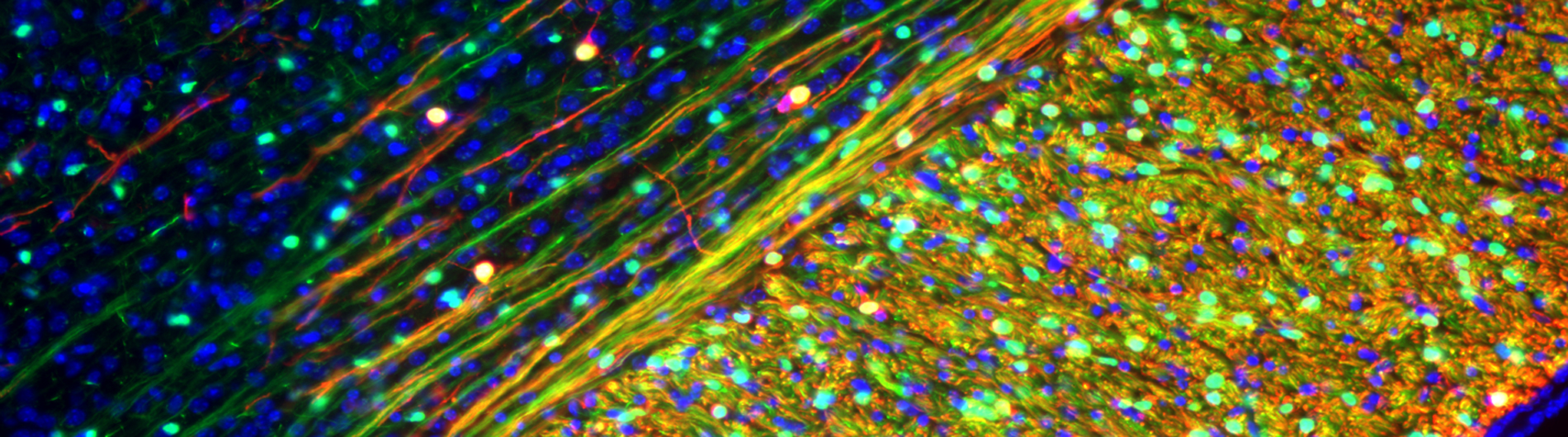
The Center for Translational Neuromedicine focuses on the development of new approaches for treating neurological diseases, primarily using cell and gene therapy. Our emphasis is on using these technologies to mobilize endogenous stem and progenitor cells of the adult brain and spinal cord, as a means of structural repair. In addition, stem cell isolation and genomics analysis, as well as advanced imaging and transplant strategies are also pursued, both for biological assessment and therapeutic modeling. Our disease targets are those attributable to dysfunction or loss of single cell types; for instance, demyelinating disease is studied as a potential target for oligodendrocyte progenitor cell delivery, while Huntington’s Disease is studied as a potential beneficiary of medium spiny neuronal replacement from endogenous stem cells. Conversely, gliomas and gliomagenesis are studied from the standpoint of dysregulated signaling by endogenous glial progenitors. The principal groups in the Center include Dr. Goldman’s, whose division focuses on neural stem and glial progenitor biology, and Dr. Nedergaard’s, whose division focuses on astrocytic physiology and pathology, as well as on cerebral blood flow and its glial regulation.
Goldman Lab
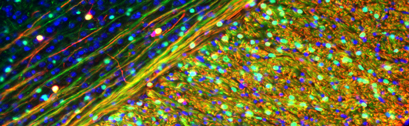
The Goldman lab (Division of Cell & Gene Therapy) focuses on cell replacement, tumorigenesis, and myelin disease.
Nedergaard Lab
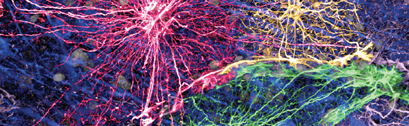
The Nedergaard lab (Division of Glial Therapeutics) focuses on stroke and traumatic brain and spinal cord injury.
CTN Copenhagen
Our lab site at the University of Copenhagen in Denmark is also focused on developing new approaches for investigating and treating neurological diseases.
Center Directors
Center Directors


Latest News
Latest News
July 8, 2026
New Platform Combines Precision Gene Targeting with Brain-Wide Delivery
June 15, 2026
Researchers Harness the Body’s Internal Clock to Improve Stroke Recovery
January 26, 2026
Why is sleep so important? Your brain depends on it
December 11, 2025
Nedergaard Named 2025 NAI Fellow for Transformative Discoveries in Brain Waste Clearance
June 16, 2025
Glial Replacement Therapy Slows Huntington’s Disease in Adult Mice