Is LASIK Safe? Latest Research and Technology
Key Takeaways
- LASIK is one of the safest elective surgeries performed today, with serious complications considered rare.
- Advances in laser technology and detailed pre-surgery screenings have improved LASIK precision, safety, and long-term outcomes.
- Most LASIK side effects, such as dry eyes or fluctuating vision, are temporary and improve during recovery.
- Not everyone is a candidate for LASIK, which is why comprehensive eye evaluations are essential before surgery.
LASIK surgery has helped millions of people reduce or eliminate their need for glasses and contact lenses. But if you’re considering vision correction surgery, you may have questions about safety.
LASIK is considered one of the safest elective surgeries performed today, thanks to decades of research and advances in laser technology. Specialists at University of Rochester Medicine Flaum Eye Institute continue to study and improve LASIK techniques to make the procedure even more precise and effective.
Here’s what to know about LASIK safety, potential side effects, and how to determine if the procedure is right for you.
How Safe Is LASIK Today?
LASIK surgery works by reshaping the cornea, the clear outer window of the eye that focuses light. During the procedure:
- A special laser gently creates a thin flap in the cornea
- The surgeon lifts the flap and uses an excimer laser to reshape the cornea and adjust the eye’s focusing power
- The flap is then placed back in position, where it naturally adheres without stitches
The procedure typically takes only minutes per eye, and most patients notice vision improvement within a day.
Safety Statistics and What the Latest Research Shows
When performed by a highly trained corneal or refractive surgery specialist, LASIK is extremely safe. Research shows:
- Serious complications are extremely rare
- Thorough screenings help ensure the procedure is safe and effective
- Technology continues to improve surgical precision
At Flaum Eye Institute, careful pre-surgery screening helps determine whether LASIK is the best option for each patient.
Long-Term Outcomes and Eye Health
For most people, LASIK results are long-lasting.
- About 95% of patients never need another vision correction procedure
- Around 5% may need a small enhancement to fine-tune their vision or address long-term prescription changes
- After age 50, many people still need reading glasses, but their distance vision and astigmatism correction are almost always permanent.
At the Flaum Eye Institute, 99 percent of patients report vision of 20/20 or better after surgery.
LASIK Risks vs. Rewards
Like any medical procedure, LASIK has potential side effects. However, most are temporary and mild.
Are Some People at Higher Risk?
Yes. Some patients may not be good candidates for LASIK surgery. LASIK may not be a good fit if you have:
- Autoimmune diseases
- Severe dry eye
- Certain pre-existing eye conditions
Common Side Effects
The most common side effects typically improve within days to months and may include:- Dry eyes
- Fluctuating vision
- Mild eye discomfort
- A temporary gritty sensation in the eyes
Your surgeon will discuss these possibilities during your consultation and provide guidance to minimize symptoms during recovery.
What Has Changed in LASIK Over the Years?
LASIK technology has improved significantly over the past two decades, making the procedure safer, more precise, and more predictable. The Flaum Eye Institute is a national leader in vision correction research and refractive surgery. The Institute:
- Uses the most advanced laser technology
- Has led and participated in multiple FDA clinical studies
- Advances the safety and effectiveness of LASIK
Why Surgeon Experience Matters
Your vision is something you rely on every waking moment. You want a surgeon who is experienced, passionate about care, and values your vision as much as you do.
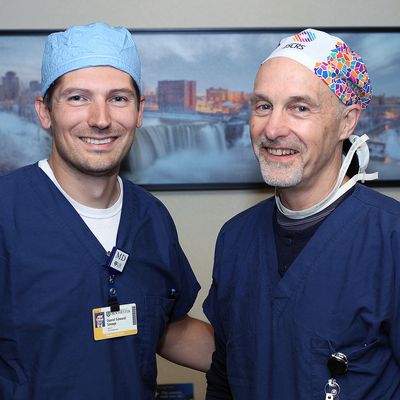
At the Flaum Eye Institute, our surgeons specialize in LASIK and other refractive surgeries.
What Happens During a LASIK Consultation?
A LASIK consultation is extremely detailed and usually takes around two hours. During the exam, specialists will:
- Determine prescription with multiple testing methods
- Measure pupil size
- Check the thickness of the cornea
- Evaluate medical history
- Review daily visual needs, including work, sport, and hobbies
This evaluation helps ensure that each patient receives the best vision correction option based on eye health and lifestyle needs.
When LASIK Isn’t the Right Fit
Not everyone is a candidate for LASIK, which is why personalized evaluation is so important. If LASIK isn’t the best option, other procedures may help improve vision.
PRK, ICL, and Other Vision Correction Alternatives
Alternatives to laser eye surgery include:
- PRK (photorefractive keratectomy)
- EVO ICL implantable lenses
- Intraocular lens procedures
LASIK Eye Surgery in Rochester, NY
At the Flaum Eye Institute, every patient receives a personalized evaluation to determine the best vision correction option. Sign up for our next webinar to see if LASIK might be right for you.
Connect with us!