

What Is an mRNA Flu Vaccine? What to Know About the New Flu Shot
Key Takeaways
- mRNA flu vaccines use the body’s own cells to make a harmless protein found in the flu virus, helping the immune system learn to recognize and fight the virus if exposed to it later.
- The new mRNA flu vaccine is approved for adults 50 and older and is a strong option for adults 50-64, particularly for those who have tolerated mRNA COVID-19 vaccines well.
- Adults 65 and older may want to stick with high-dose or immunity-boosted flu vaccines for now, since those vaccines have established evidence in this age group and have not yet been directly compared with the mRNA vaccine.
- mRNA technology could enable faster production and updating of flu vaccines, potentially helping them better match circulating strains and improving our ability to respond to future influenza pandemics.
A new type of flu vaccine is giving people another, potentially more effective option for protection against influenza. Unlike traditional flu vaccines, the new Moderna mRNA flu vaccine uses messenger RNA (mRNA) to instruct the body to make a harmless protein found on the surface of the influenza virus, triggering an immune response.
Ann Falsey, MD, an infectious disease specialist at University of Rochester Medicine, explains how mRNA vaccines work, how the new mRNA flu shot differs from traditional flu vaccines, and what people should know heading into the 2026–27 flu season.
How effective is the new mRNA flu vaccine?
In clinical testing, the mRNA flu vaccine was 26.6% more effective than a standard influenza vaccine at preventing influenza illness.
The vaccine also produced a strong initial immune response, including high levels of antibodies.
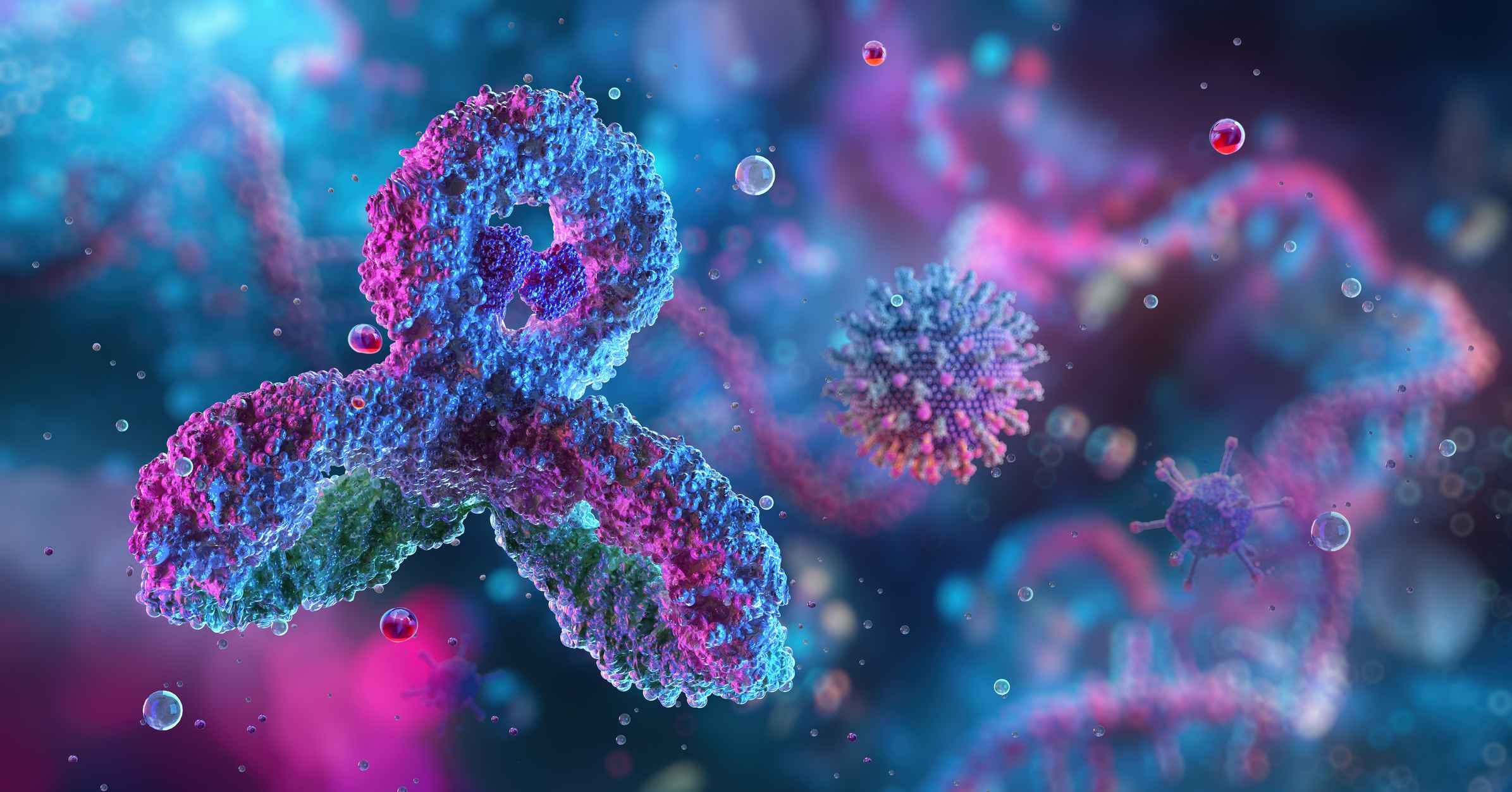
How does an mRNA flu vaccine work?
mRNA is a molecule that helps cells translate the genetic information in our DNA into instructions for making the proteins our bodies need.
The mRNA flu vaccine contains instructions for the body to make hemagglutinin, a protein found on influenza viruses. The immune system then recognizes the protein as foreign and produces antibodies against it, which can neutralize the virus when a person is exposed to influenza.
How is an mRNA flu vaccine different from a traditional flu shot?
Traditional flu vaccines are protein-based. Most commonly, they are produced using eggs, although newer approaches can use recombinant technology and cell cultures.
An mRNA flu vaccine works differently. Rather than delivering the viral protein itself, it provides the body's cells with the instructions needed to make the protein.
| mRNA Flu Vaccine | Traditional Flu Vaccine |
How it works | Gives cells instructions to make a flu protein | Delivers flu proteins directly |
Technology | mRNA | Egg-based, cell-based, or recombinant |
Contains live virus? | No | No |
Can it give you the flu? | No | No |
Current eligibility | Adults 50+ | Varies by vaccine |
Potential advantage | Can be updated and produced more quickly | Long-established use and evidence |
Who can get the new mRNA flu vaccine?
The new Moderna mRNA flu vaccine is approved for adults aged 50 and older.
- For adults ages 50 to 64, Falsey considers the mRNA flu vaccine a strong option, particularly for people who have previously tolerated mRNA COVID-19 vaccines well.
- For adults 65 and older, however, she still recommends high-dose flu vaccines or ones with added, immunity-boosting ingredients (known as adjuvanted vaccines). These vaccines have been used in this age group for years, and the new mRNA flu vaccine has not yet been directly compared with those enhanced vaccines.
“Studies are ongoing to compare mRNA with these vaccines to determine whether mRNA is better,” Falsey says.
For people deciding between an mRNA flu shot and a traditional flu vaccine, the choice may depend on age, prior experience with mRNA vaccines, and personal preferences.
Potential symptoms from the mRNA flu vaccine
People can experience temporary side effects after vaccination. These can include:
What other vaccines use mRNA?
The best-known examples of mRNA vaccines are the COVID vaccines that were introduced during the pandemic.
The experience with COVID helped demonstrate the potential of mRNA technology for developing vaccines against respiratory viruses. In addition to influenza, researchers are now applying the same technology to RSV, HIV, and other infectious diseases, as well as to cancer.
- a sore arm
- fatigue
- body aches
- a low-grade fever
When should you get your flu shot?
For the 2026–27 flu season, Falsey generally recommends getting vaccinated in late September or October.
But if you haven't gotten your flu shot by then, don't skip vaccination altogether. “It is never too late,” Falsey says.
The timing of flu season can vary, and influenza can continue circulating well into the winter and spring. Getting vaccinated later in the season can still provide protection.
Why might mRNA vaccines be important for the future of flu prevention?
One potential advantage of mRNA technology is speed. Traditional seasonal flu vaccines need to be developed and manufactured well in advance of flu season. Because influenza viruses can change over time, the strains selected for a vaccine months earlier may not perfectly match the viruses circulating later.
“RNA vaccines are extremely useful for pandemic situations, because they can be adjusted and produced more rapidly than other vaccine types,” said Falsey. That flexibility could also be useful for seasonal influenza. In the future, mRNA technology could allow flu vaccines to be designed closer to flu season and potentially better reflect the strains that are circulating.
Cold, Flu, and RSV Guide
Stay updated on flu, RSV, and other seasonal illnesses: symptoms, prevention tips, and when to seek care.
Author
