
Neil Blumberg and Joanna Heal Honored by SABM
The Society for the Advancement of Patient Blood Management (SABM) has honored Neil Blumberg, MD, and his wife, Joanna Heal, MBBS, MRCP, with its 2026 Kathleen J. Sazama Award. The award is presented to recipients who have demonstrated a commitment to patient rights, shown strength of character to lead with progressive evidence-based thinking, and selflessly served with the well-being of the patient as the ultimate goal.

Drs. Blumberg and Heal were recognized for their work to advance patient blood management, challenge conventional transfusion practices, and reshape the understanding and the practice of transfusion medicine.
In presenting the award, SABM president Matthew Warner MD, an anesthesiologist at the Mayo Clinic, said, “Over decades of collaboration, Neil and Joanna have pursued questions that were scientifically important but also deeply consequential for patients. Like Dr. Sazama, they had the strength of character to question accepted practice and advocate for progressive, evidence-based approaches to improve patient outcomes, even when those ideas challenged prevailing beliefs.”
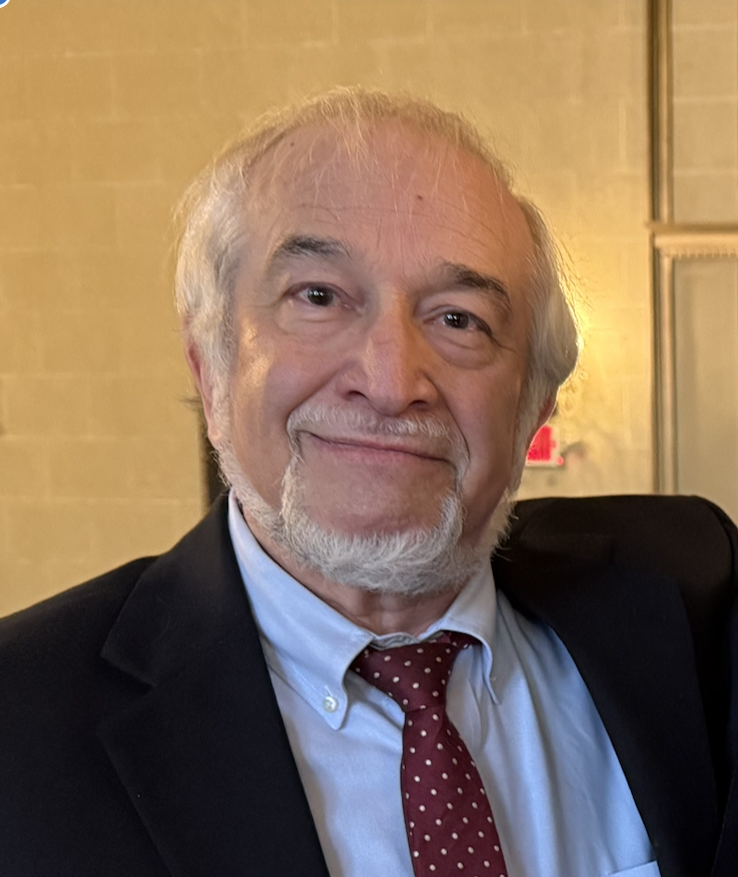
“Our work has been viewed as somewhat controversial among specialists in hematology and transfusion medicine,” Blumberg said. “What makes this honor particularly meaningful is that it comes from clinicians—including anesthesiologists, surgeons, and nurses—who don't have a vested interest in transfusion medicine.”
Blumberg noted that this recognition is a testament to their belief in the importance of always looking at the patient, not just at the laboratory numbers, and to their commitment to advancing safer, more thoughtful patient care through patient blood management.
Blumberg and Heal have conducted landmark research redefining the immunologic benefits of ABO-identical transfusions, revealing that ABO-incompatible platelet transfusions generate large immune complexes that attach to platelets and trigger refractoriness, a mechanism previously unrecognized. Through the combination of leukoreduction, ABO-identical transfusions, and washing techniques, they reduced five-year mortality in younger leukemia patients from 50% to 20%. They also established a new standard for safe and effective transfusion practice that minimizes transfusion reactions.