

Women With Polyendocrine Metabolic Ovarian Syndrome Have Higher Cardiac Events Risk
Key findings:
- Women with polyendocrine metabolic ovarian syndrome (PMOS) are four times more likely to have atherosclerotic cardiovascular disease events, including heart attacks and strokes, than those without the condition.
- PMOS, formerly known as polycystic ovary syndrome (PCOS), is a hormonal and metabolic disorder that affects roughly 1 in 10 women, or 5 million women in the U.S.
- Although the link between heart problems and PMOS is well-known, this new research shows the condition raises the risk of atherosclerotic cardiovascular disease (ASCVD) events as well.
- This is the largest study to provide evidence associating PMOS and ASCVD, and highlights the need for early screening, dietary and lifestyle intervention counselling, and long-term surveillance in this population.
Women with polyendocrine metabolic ovarian syndrome (PMOS; previously known as polycystic ovary syndrome, or PCOS), have a four-fold higher risk of atherosclerotic cardiovascular disease events including heart attack and ischemic stroke than those without the condition, according to a new study in The Lancet Obstetric, Gynaecology & Women’s Health.
The research, led by a physician at University of Rochester Medicine, underscores the need for careful medical evaluation and treatment for PMOS, a widely misunderstood hormonal and metabolic disorder that affects roughly 1 in 10 women, or 5 million women in the U.S. Women with PMOS experience a range of symptoms, including:
- Irregular or missed periods
- Weight gain
- Excess facial/body hair
- Severe acne
- Insulin resistance
- Type 2 diabetes
Although the link between heart disease risk factors such as diabetes and PMOS is well-known, researchers wanted to determine whether the condition also raises the risk of atherosclerotic cardiovascular disease (ASCVD) events, including coronary artery disease, cerebrovascular disease, and peripheral artery disease.
They used de-identified claims-based patient data from 2000 to 2022 to identify females aged 18 to 50 who were diagnosed with PMOS but had no prior history of ASCVD. Females with PMOS were age matched to a reference group without the condition who were identified in the database by routine annual exam visits. Race and ethnicity were similarly distributed across the two groups. Researchers compared 413,450 females in the PMOS group to 2,067,250 in the reference group, with a mean age in both groups of 31.1 years.
Guidelines Call for Cardiac Disease Assessment for Those with PMOS
The PMOS group had a higher occurrence of traditional cardiovascular disease risk factors such as obesity and diabetes at baseline than the reference group. Longitudinal studies show the persistence of these risk factors, leading the 2023 International Guidelines for PMOS to recommend that all women with PMOS be assessed for cardiovascular disease risk at the time of diagnosis. However, after accounting for these risk factors and multiple other relevant factors including use of oral contraceptives and metformin, those with PMOS had a higher incidence of ASCVD events than women without it.
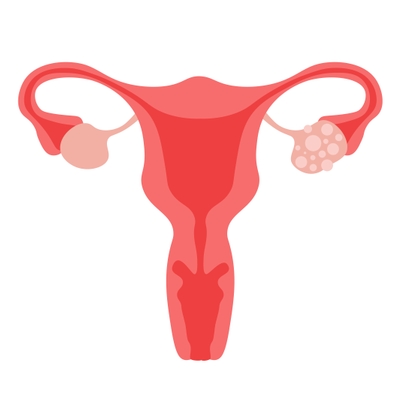
“While many people think of PMOS in relation to infertility, weight gain, and missed periods, it is a significant metabolic health condition that can have a profound effect on a woman’s health and well-being,” said lead author Snigdha Alur-Gupta, MD, Reproductive Endocrinologist and Associate Professor of Obstetrics and Gynecology at the University of Rochester Strong Fertility Center. “Our findings about the elevated risk of atherosclerotic cardiac events underscore the need for health-care provider education and PMOS patient awareness of cardiovascular disease risk so we can improve early implementation of preventive interventions.”
The study deepens the understanding of PMOS’s significant impact on health. Evidence for increased risk of ASCVD events in women with PMOS has been mixed, potentially due to poor statistical power given the low incidence of these events in reproductive years. The few longitudinal population-based studies examining ASCVD outcomes in women with PMOS have not accounted for important confounders such as race and ethnicity, female-specific cardiovascular disease risk factors, and medication use.
Early Awareness, Intervention Help Protect Against Cardiac Events
“This is the largest longitudinal study to provide evidence associating PMOS and ASCVD and highlights the need for early screening, counseling and long-term surveillance in this group,” Alur-Gupta said. “As risk is not solely attributable to CVD risk factors, the association must also be discussed even in patients who do not have traditional risk factors such as diabetes, high blood pressure and obesity.”
Additional co-authors include Julia D DiTosto, Jennifer Lewey, Daniel E Soffer, Qing Liu, Kyle R Busse, Colleen Brensinger, Sunni L Mumford, and Anuja Dokras from the University of Pennsylvania. The study was supported through a PCORI grant (BPS-2022C3–30268).
Learn More about PMOS
Read about PMOS, and its symptoms, and why its recent name change was so important.
Connect with us!





Author
