Space Travel Changes the Brain’s Immune Cells, but Not Behavior
For those of us on Earth's surface, we reach for sunscreen when we want protection from the sun's radiation. That is because there are other "rays" that the atmosphere and the Earth’s magnetic field keep out, like galactic cosmic radiation. Galactic cosmic rays are highly energetic particles found in space. According to NOAA, they have enough energy to cause errors or damage to spacecraft electronics or systems. Knowing this, NASA is interested in understanding the effects that exposure to these rays has on humans. Particularly, long-term exposure for astronauts who travel to deep space, the Moon, and, eventually on longer missions to Mars.
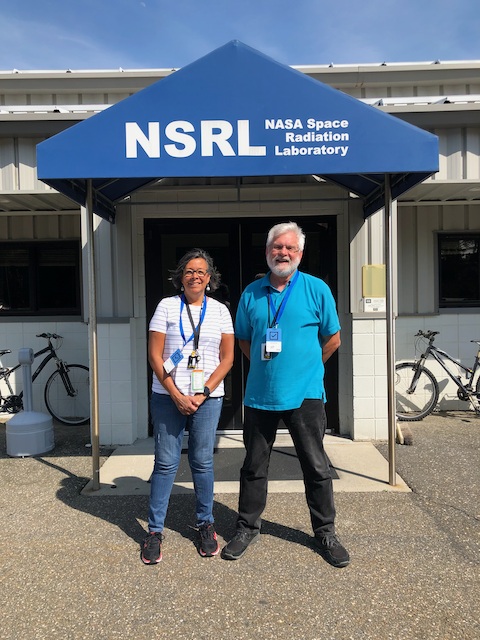
Professor of Neuroscience M. Kerry O’Banion, MD, PhD, has been tasked with studying space radiation for more than 15 years. “We know cognitive changes from exposure to radiation in space are a real risk,” O’Banion said, whose previous research showed that exposure to cosmic radiation could accelerate the onset of Alzheimer’s disease. “It’s important we understand how brain cells are changed. Knowing which mechanisms are impacted and how may help the development of countermeasures to protect or lessen an astronaut’s exposure to space radiation.”
Most recently, his lab demonstrated that radiation-induced changes in the brain’s immune system differ between male and female brains. This research, published today in the journal Scientific Reports, also found that despite molecular changes in both sexes, there were no short-term behavioral or cognitive changes in either sex. They are still investigating the long-term implications of these changes. “Additional studies examining other time points and effects in other experimental systems will be required to understand this further,” O’Banion said.
Space Radiation Changes Brain’s Immune Cells
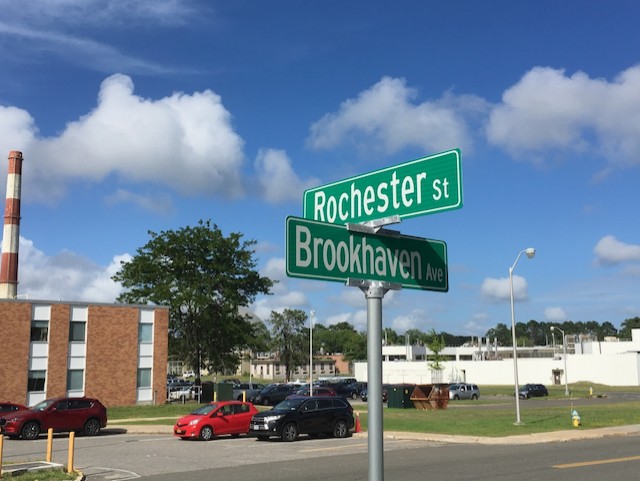
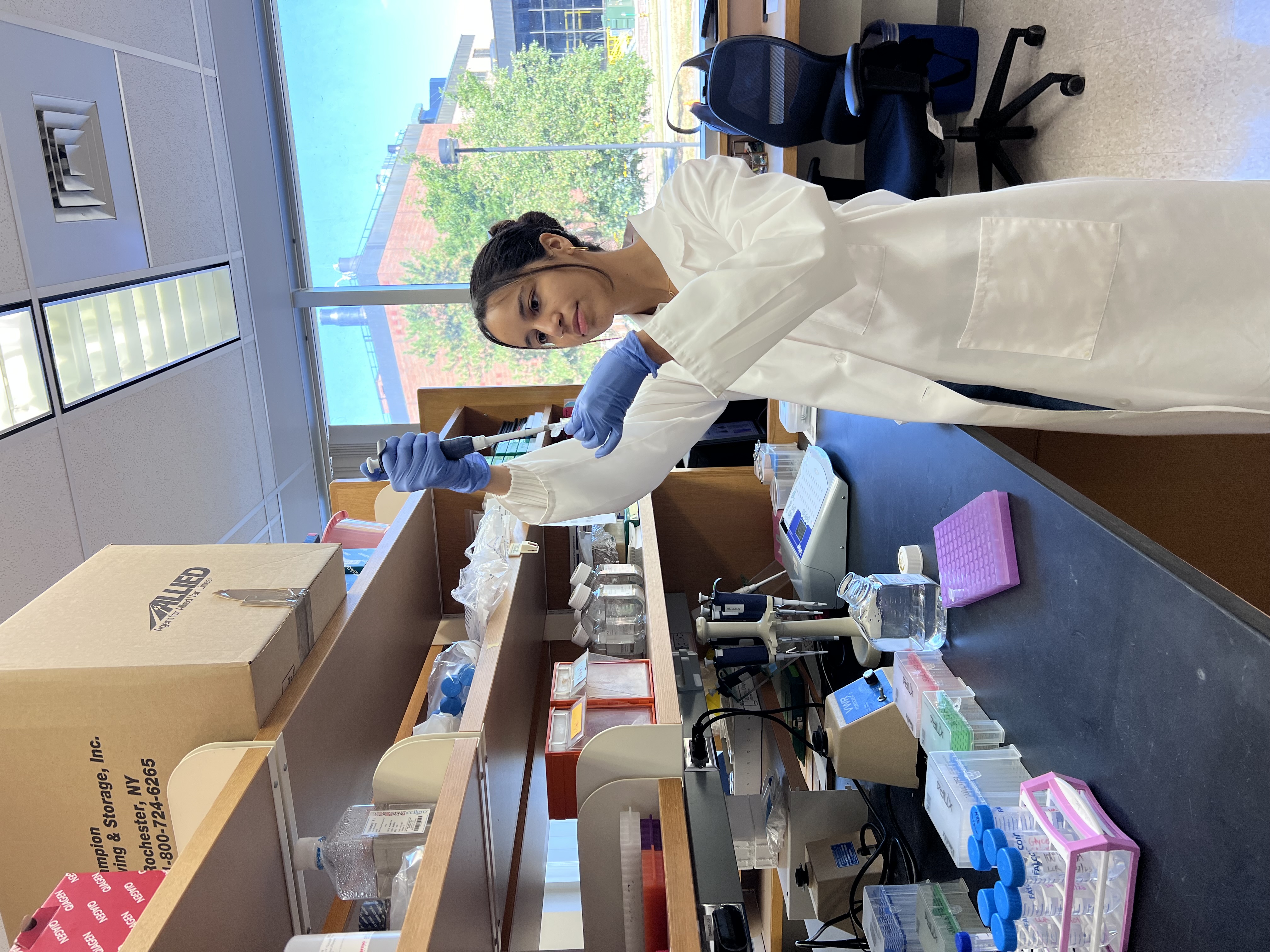
URochester researchers carried out the experiments at the NASA Space Radiation Laboratory at Brookhaven National Laboratory on Long Island using simulated space radiation produced by particle accelerators. At the time of this research, Brookhaven was the only facility in the world with this technology. There are now two. Neuroscience graduate student Mark Osabutey, MBChB, led the project that used single-cell RNA sequencing to examine nearly 16,000 microglia, or brain immune cells, from male and female mice exposed to simulated galactic cosmic radiation.
“Surprisingly, despite clear molecular changes, we found no widespread inflammatory activation or measurable radiation-associated behavioral impairment at the time we examined,” said Osabutey, who suggested that molecular responses to radiation exposure may occur before or may not be related to detectable functional impairment. Researchers found that male and female microglia showed distinct responses. In the male brain, changes associated with cellular stress adaptation and metabolism were found, while in the female brain, microglia exhibited broader reductions in immune signaling pathways. It’s unclear if these changes are protective, harmful, or temporary.
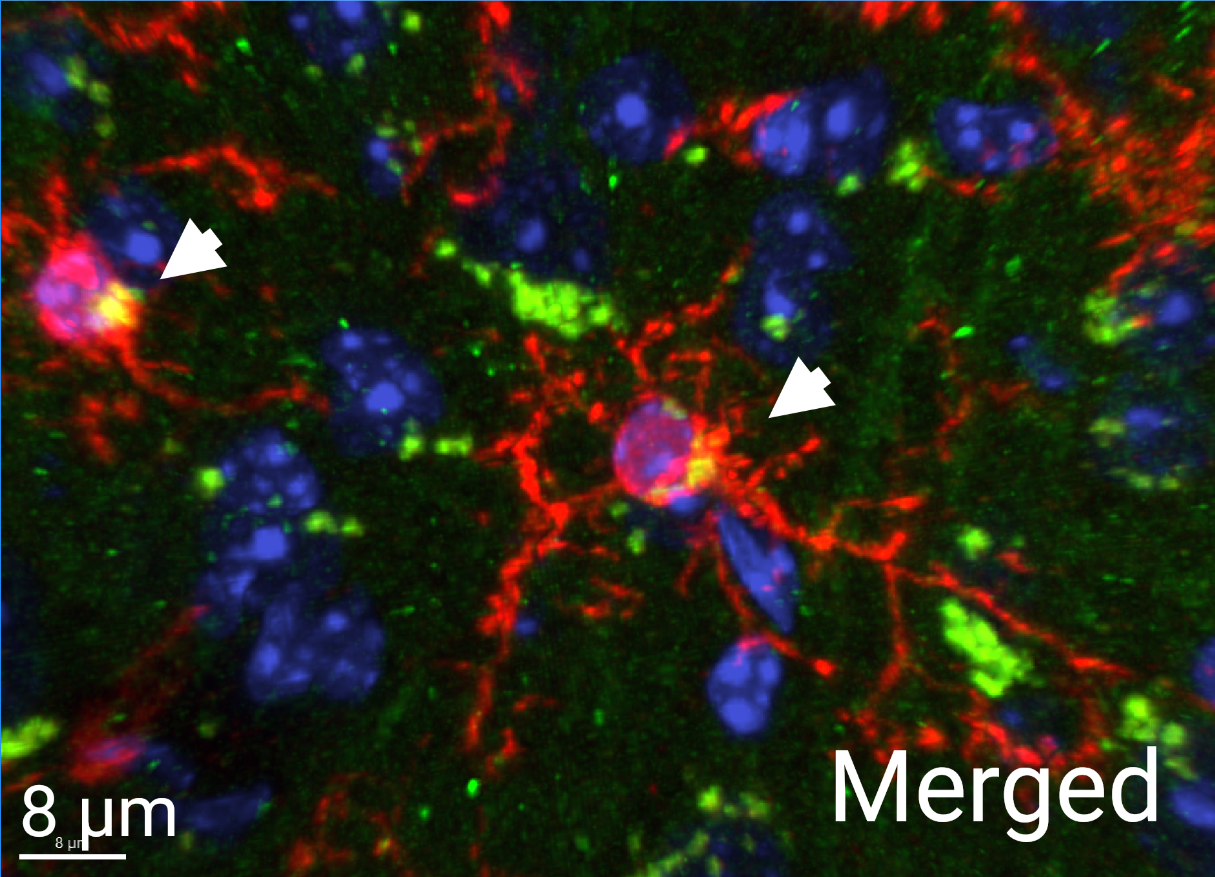
Researchers did find some similar changes in these cells in females and males. Both shared an increase in the protein FKBP5 in two brain regions: the cortex and dentate gyrus. FKBP5 is involved in regulating cellular responses to stress. “We now need to understand whether FKBP5 plays a protective or harmful role, and how different radiation exposures and other spaceflight stressors influence long-term brain health,” said Osabutey. “Our findings highlight the importance of considering biological sex when assessing neurological risks during spaceflight and identify potential pathways for developing protective strategies.”
Student Driven Research
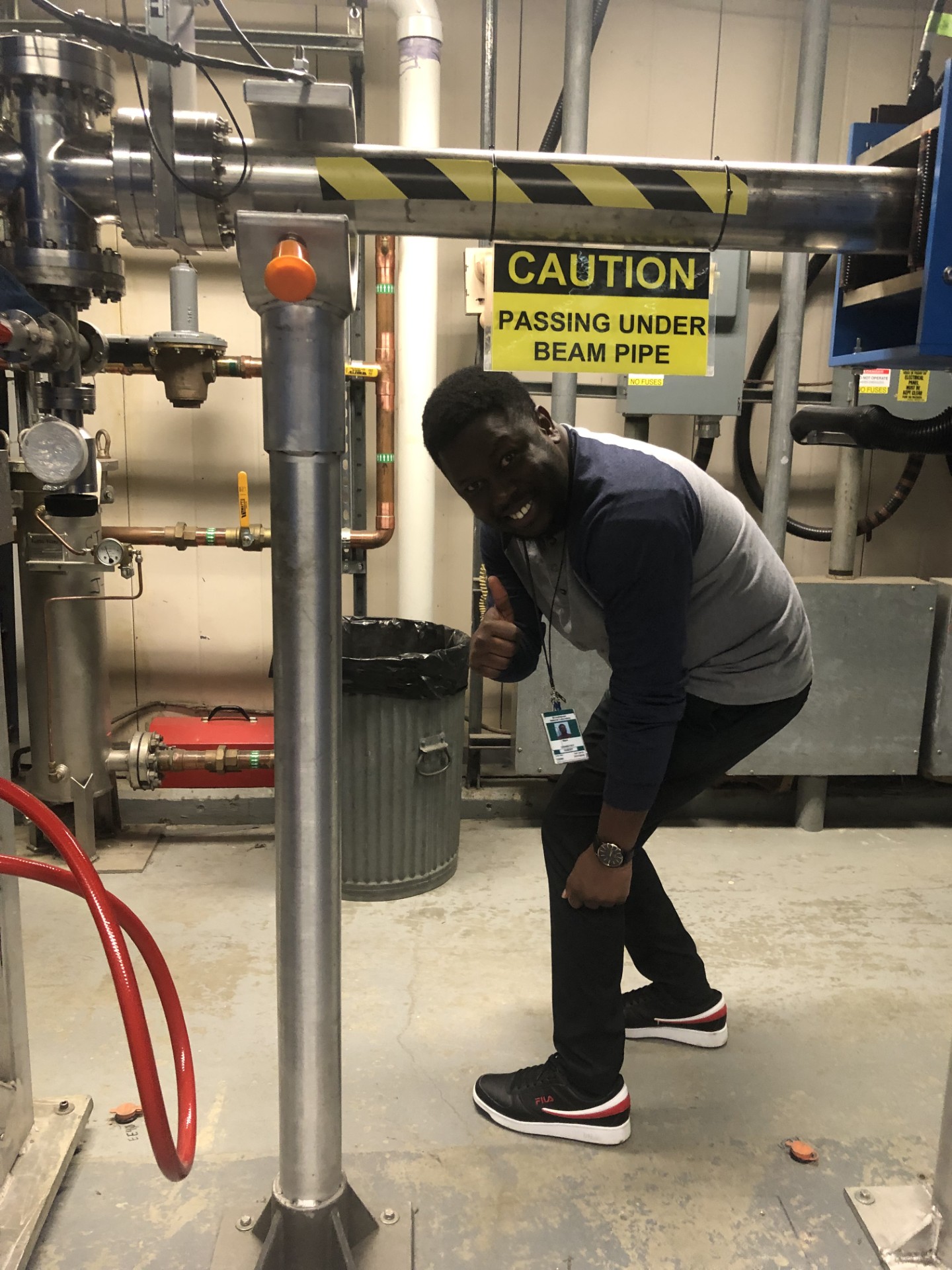
Osabutey has worked on NASA-funded research since joining the O'Banion lab. He presented at a NASA conference representing the lab three years ago and participated in the European Space Agency Summer School in Darmstadt, Germany. In 2023, Osabutey received a predoctoral grant augmentation award from NASA to study the population-level changes in microglia after exposure to galactic cosmic radiation. "Receiving NASA support has allowed me to contribute to research addressing questions of national and international importance," said Osabutey. "As a physician-scientist in training, I could not have asked for a better environment in which to train, and the experience has taught me how to pursue meaningful scientific questions through rigorous basic/translational investigation and collaboration, skills that I will carry forward in my future efforts to better understand brain injury and neurological disease."
"Graduate students and postdoctoral fellows have been an essential part of our NASA research effort," O'Banion said. "It's comprised of a large team that includes the outstanding organizational skills of our long-time senior research technician, Lee Trojanczyk, as well as support personnel at Brookhaven National Labs. Over time, nearly a dozen University of Rochester trainees have contributed to this work."
Other authors include Lia Calcines-Rodríguez, Lee Trojanczyk, and John Olschowka, PhD, from the University of Rochester School of Medicine and Dentistry. This research was supported by a NASA grant and a NASA Human Research Program Grant Augmentation Award.
On Land: O'Banion's Lab Finds Key Differences in Alzheimer's Disease
Research in the O’Banion lab has found that the brain’s immune cells act differently in male and female brains in Alzheimer’s disease. A neurodegenerative disease that is known to impact more females than males.