Orthopaedics & Physical Performance
Make Appointments & Get Care
We Are the Game Changers
At University of Rochester Medicine Orthopaedics and Physical Performance, we are delivering world-class care, backed by cutting-edge science so that every body can move freely, push boundaries and live life without limits. From specialized joint care and renowned orthopedic surgeons to athletic trainers helping students prevent injury, we’re advancing care throughout Western NY and the Finger Lakes.
Services
We offer the largest and most comprehensive orthopaedic center in our region.
Providers
Our specialists treat the broadest range of orthopaedic conditions and are trained to treat any issue that impacts your ability to move.
Locations
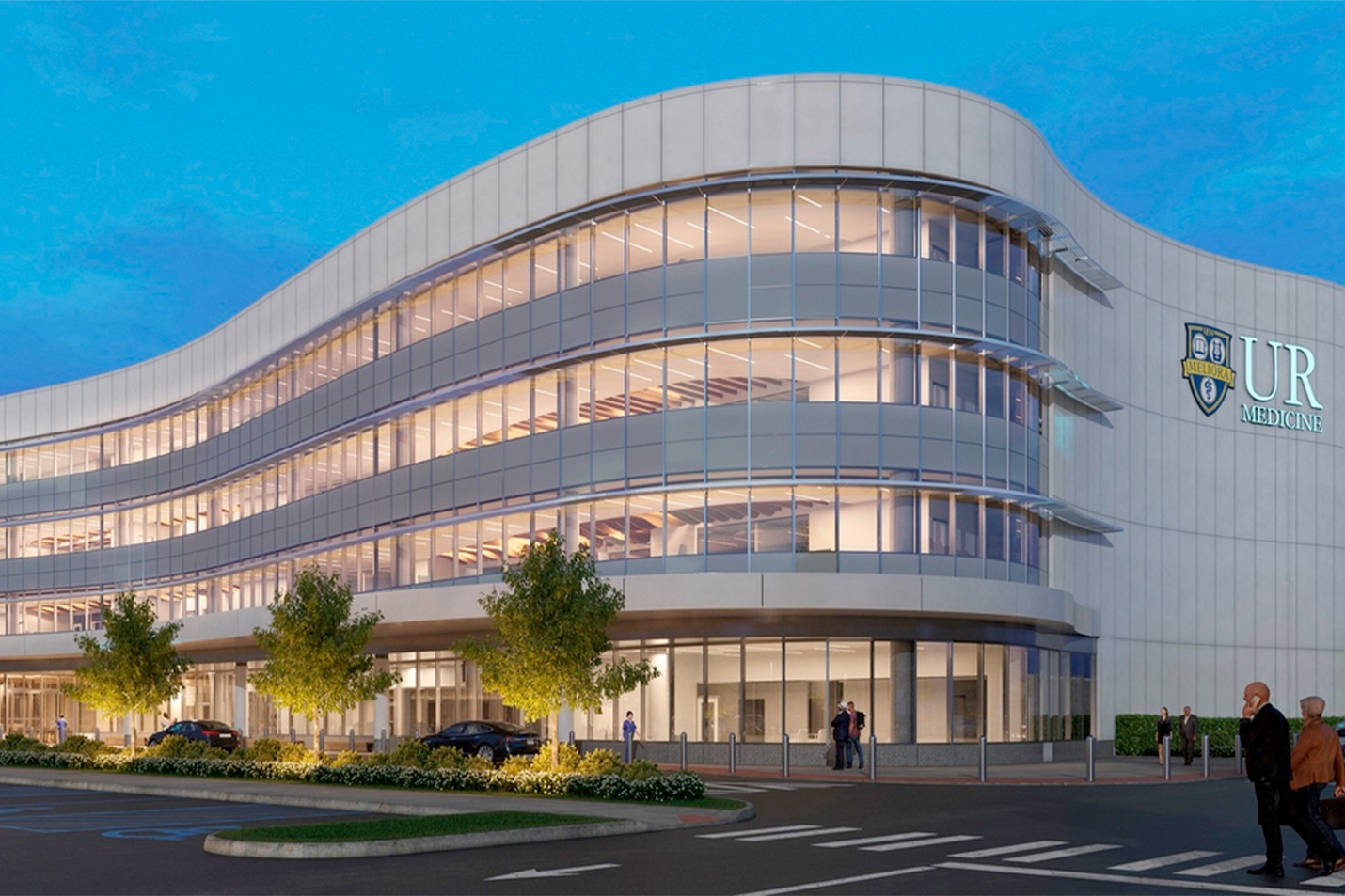
Explore our locations throughout Western NY, including our state-of-the-art orthopedics center at Marketplace Mall.
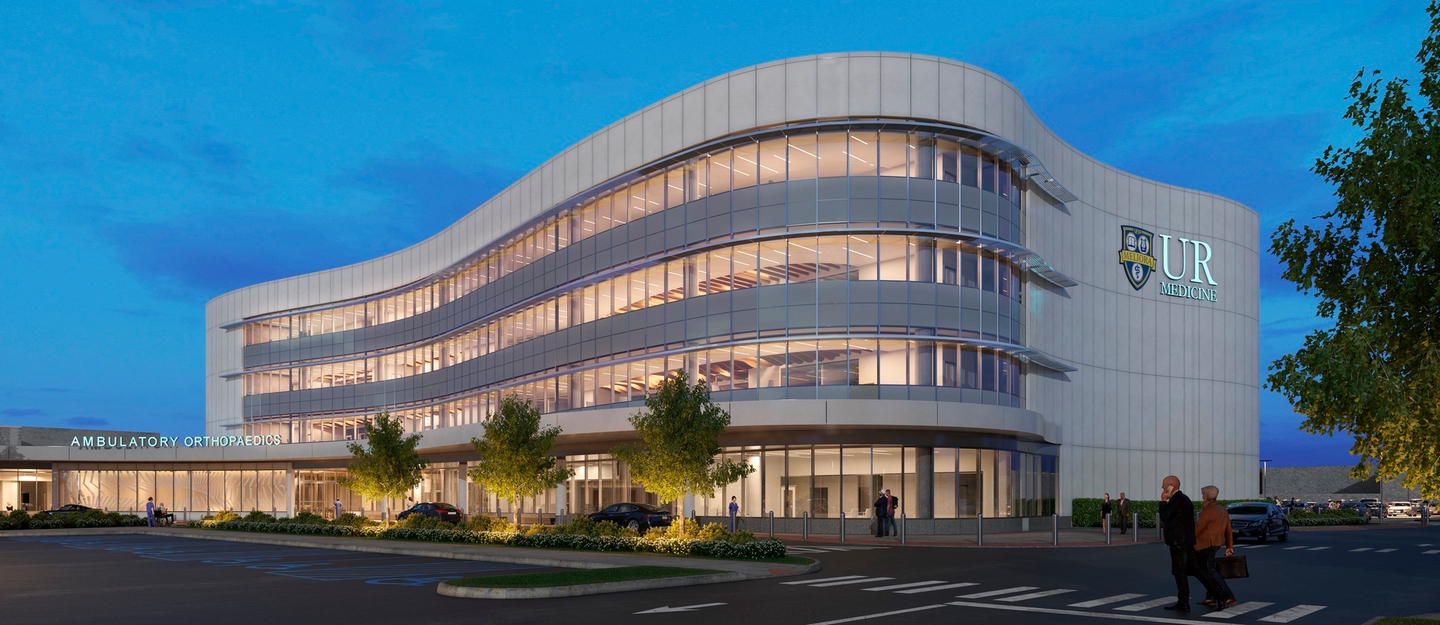
World-class Care
Our Saunders Center for Orthopaedics & Physical Performance, located at Marketplace Mall, combines the latest in care, research and education under one roof to create a center unlike any other in the Northeast.
Our Approach
Our physicians, nurses and therapists specialize in treating children and adults with every musculoskeletal condition. From everyday sprains and strains to complex restorative surgeries. Highly skilled, compassionate, and patient-focused, our team provides the best possible orthopaedic care.
Get Back in Motion
We strive to enhance our patients' quality of life by reducing pain, restoring mobility, and promoting healing through a team-based approach to care.
- A simple injury can change the way you function each day. Our Sports Medicine teams help prevent and treat injuries of all kinds.
- A long-term health issue can make even the slightest movements painful. With specialty programs in Spine Care, Pediatric Orthopaedics, Foot and Ankle, Hand and more, we have the experts you need right here in our community.
- Repetitive motion can cause painful injuries that develop slowly over time. Joint surgery or replacement might be an option – schedule a consultation with our renowned team.
of 5
-
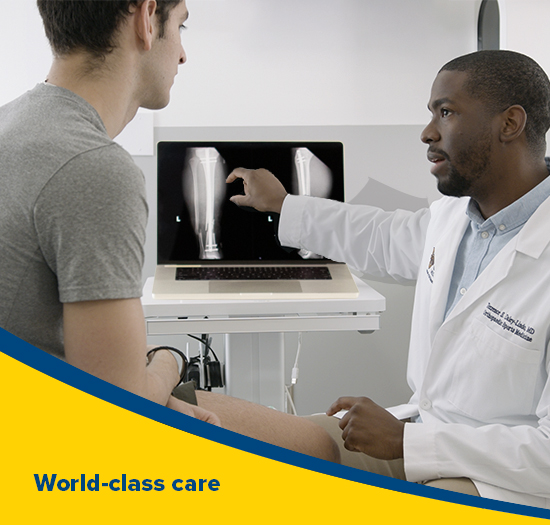
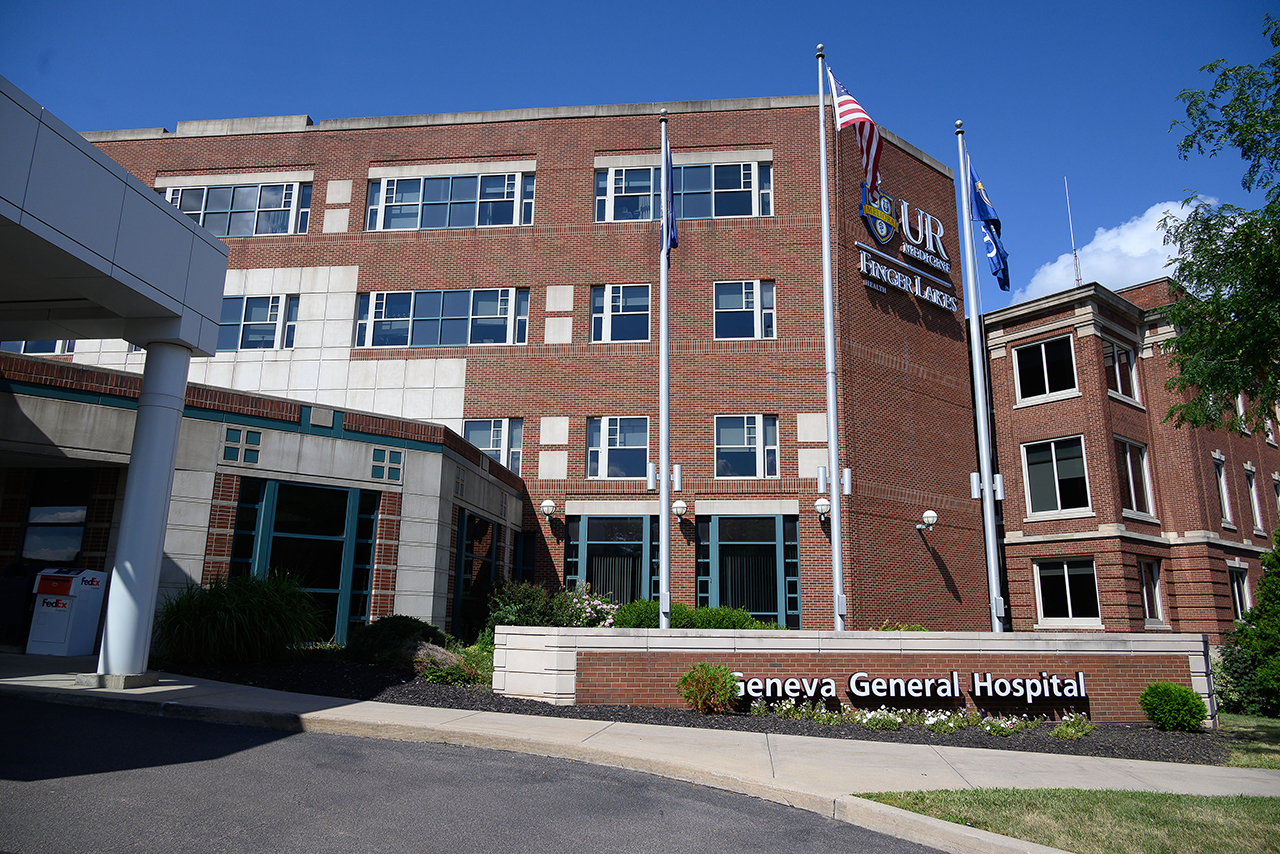
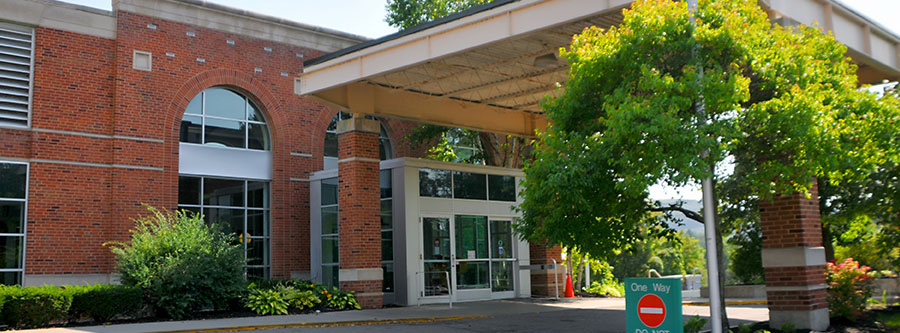
Image: With many convenient locations both in Rochester and the region, access to expert orthopaedic care and rehabilitation is closer than ever. Explore the many places we see patients and the exceptional providers at our affiliate hospitals.
-

Image: Orthopaedics & Physical Performance provides the area's most highly trained experts for joint replacement surgery. We offer a complete range of treatments from minimally-invasive procedures to surgery and rehab to help you live life without limits.
-
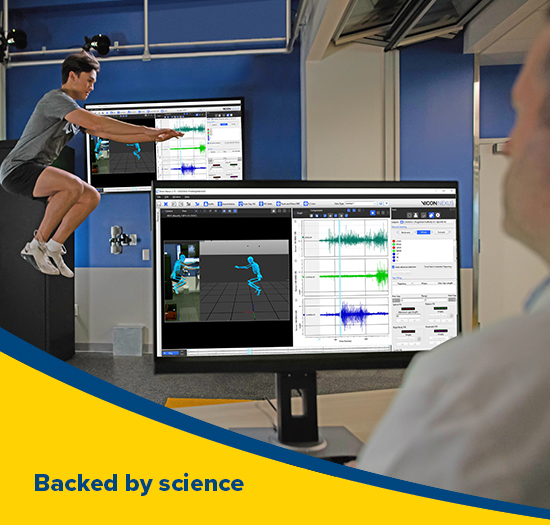
Image: Our new Motion Labs use computer and sensor technology to study, analyze, and enhance human motion. Learn how our labs are improving the diagnosis and treatment for patients with mobility restrictions, recovering from injury, or those looking to improve and enhance their athletic performance.
-
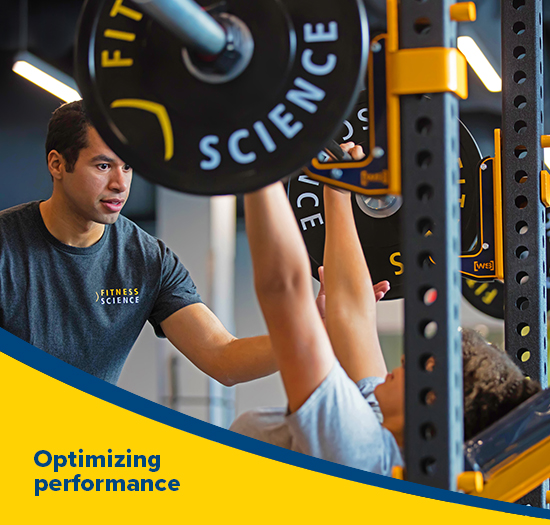
Image: Take your game to the next level with our integrative approach to sports performance. Through strength training, nutritional counseling, sports psychology and data analysis we help players of all ages train smarter and move better.
-
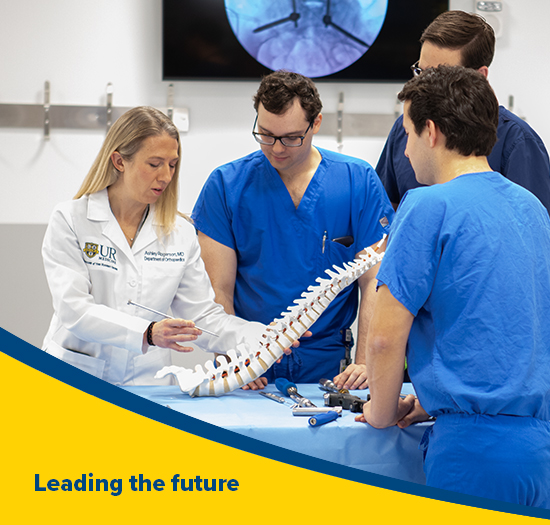
Image: Elevate your orthopaedic career through our renowned residency program. Benefit from a broad curriculum encompassing all 12 subspecialties and learn from our most highly trained faculty.
What Sets Us Apart?
We're proud of our history of providing orthopaedic care in the region. Our team continues to explore treatments for joint health and strategies to make care more effective for future generations.
From Struggle to Strength: Empowering Stories of Resilience and Healing
Learn about our renowned education and training programs.
Residency and Fellowships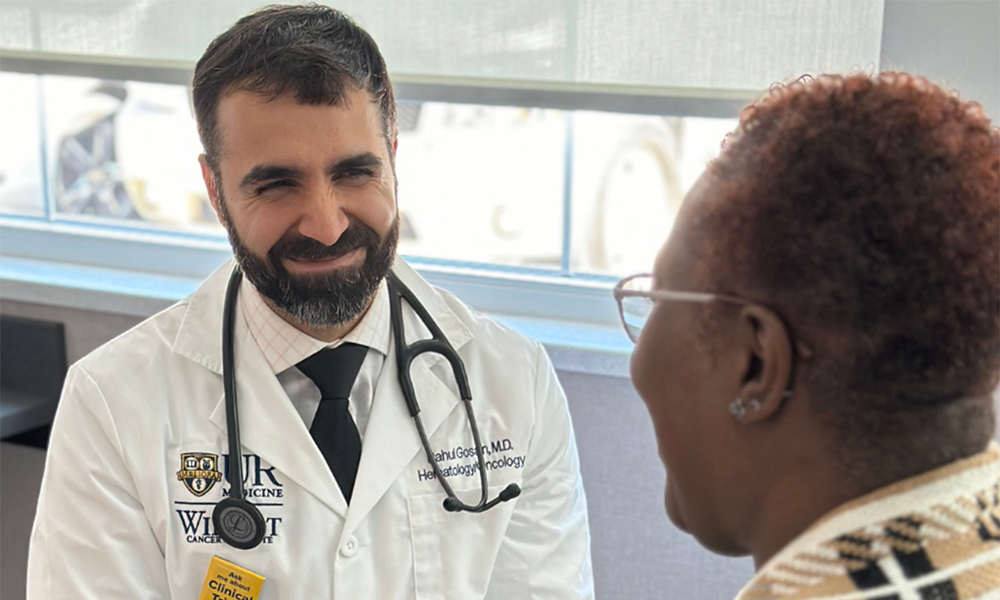
Top Ranked Hospital in the Region
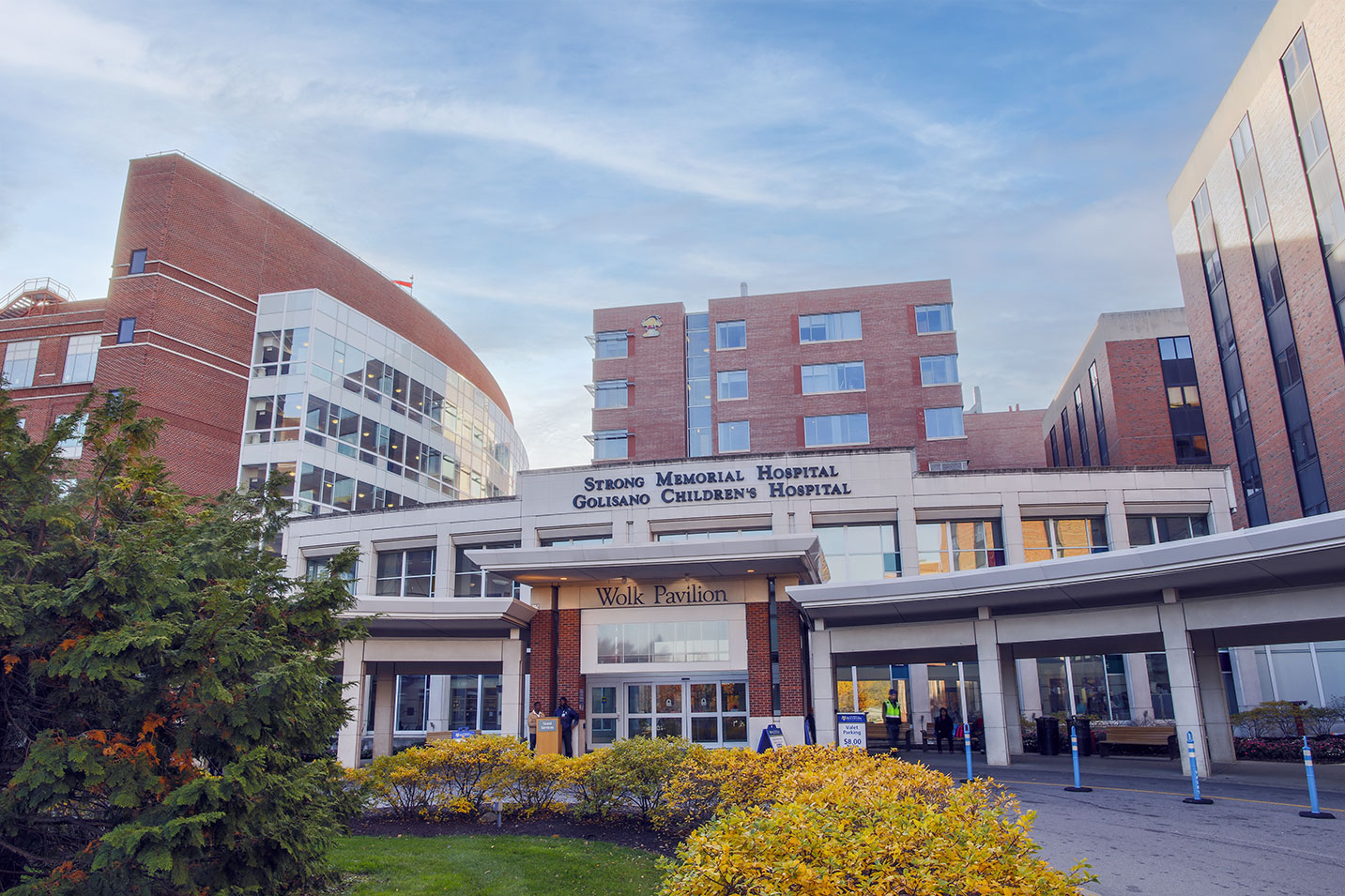
Thanks to the hard work of our exceptional clinical care teams, University of Rochester Medicine Strong Memorial Hospital is ranked as the #1 hospital in the Rochester region for orthopaedics. We work every day to advance care, making outcomes and your experience better.
Providers
Locations
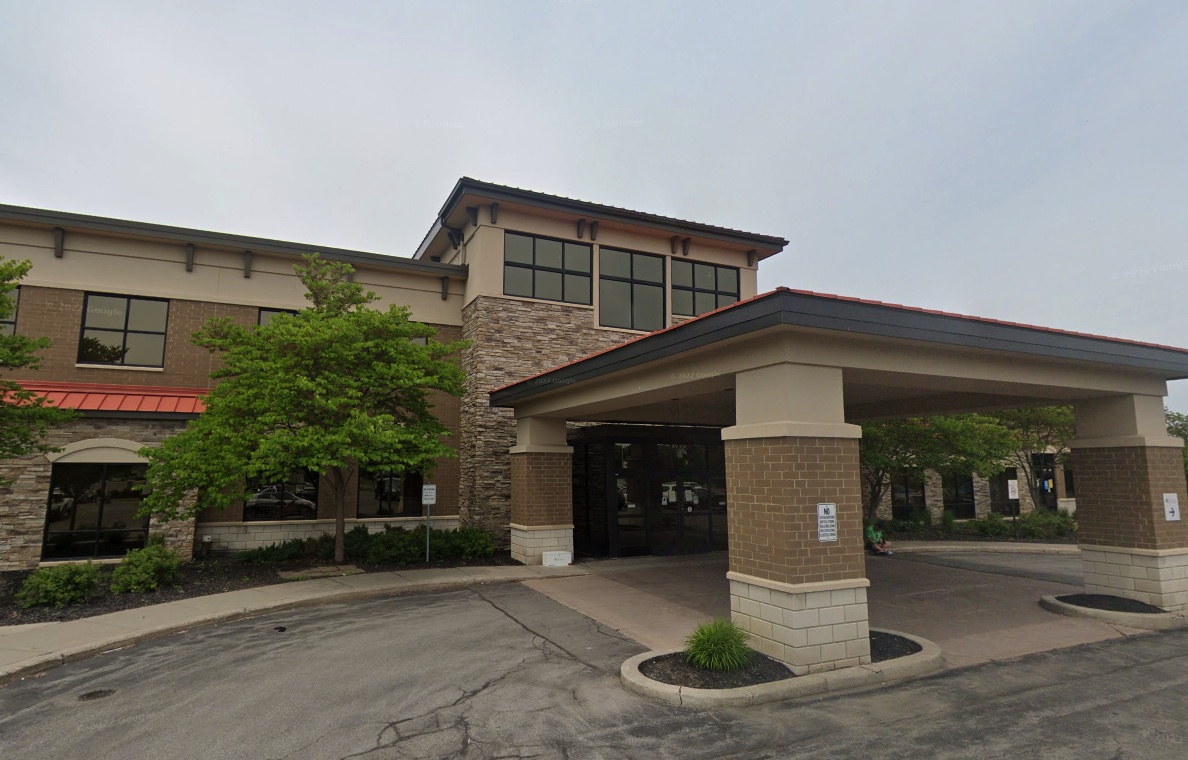
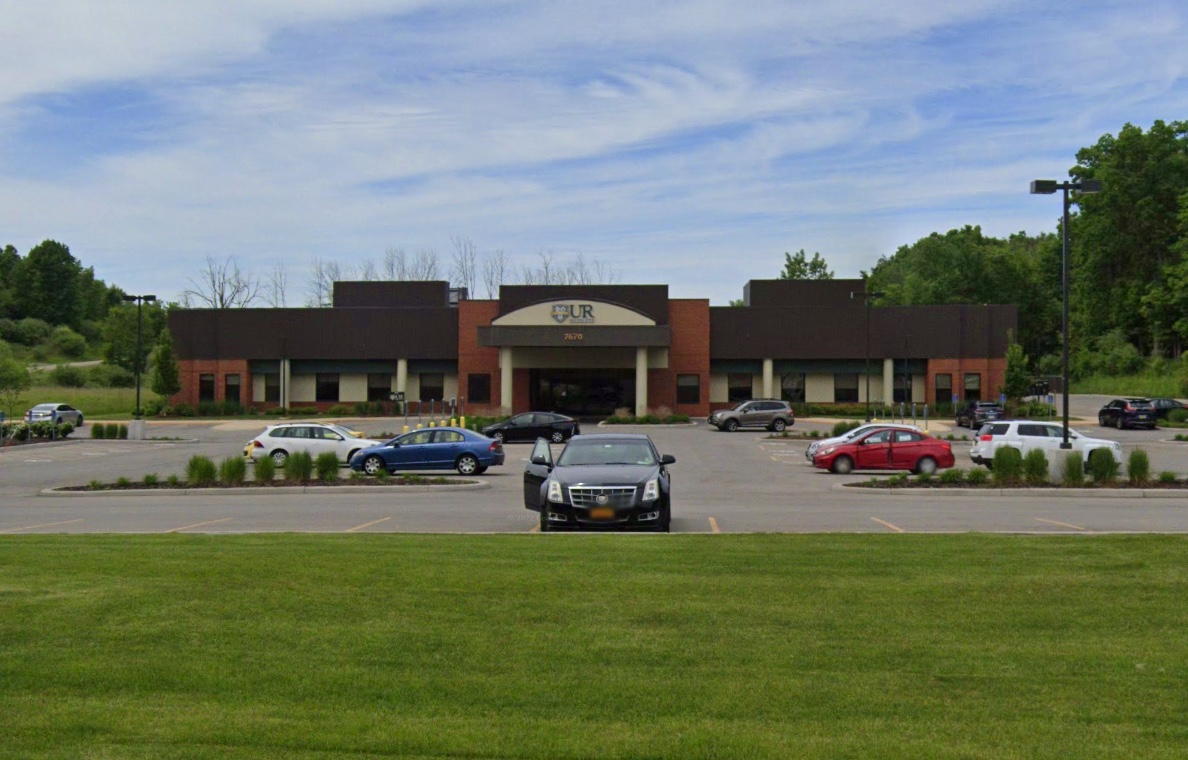
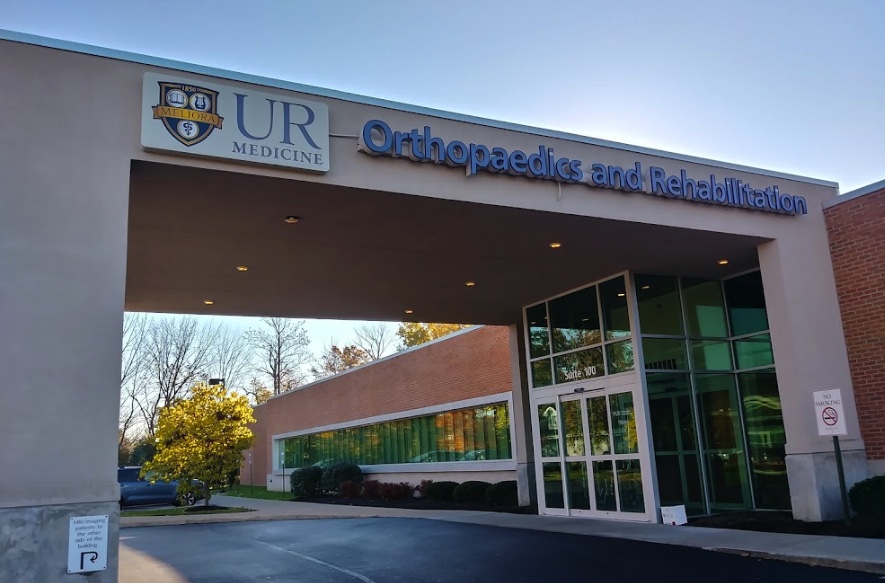
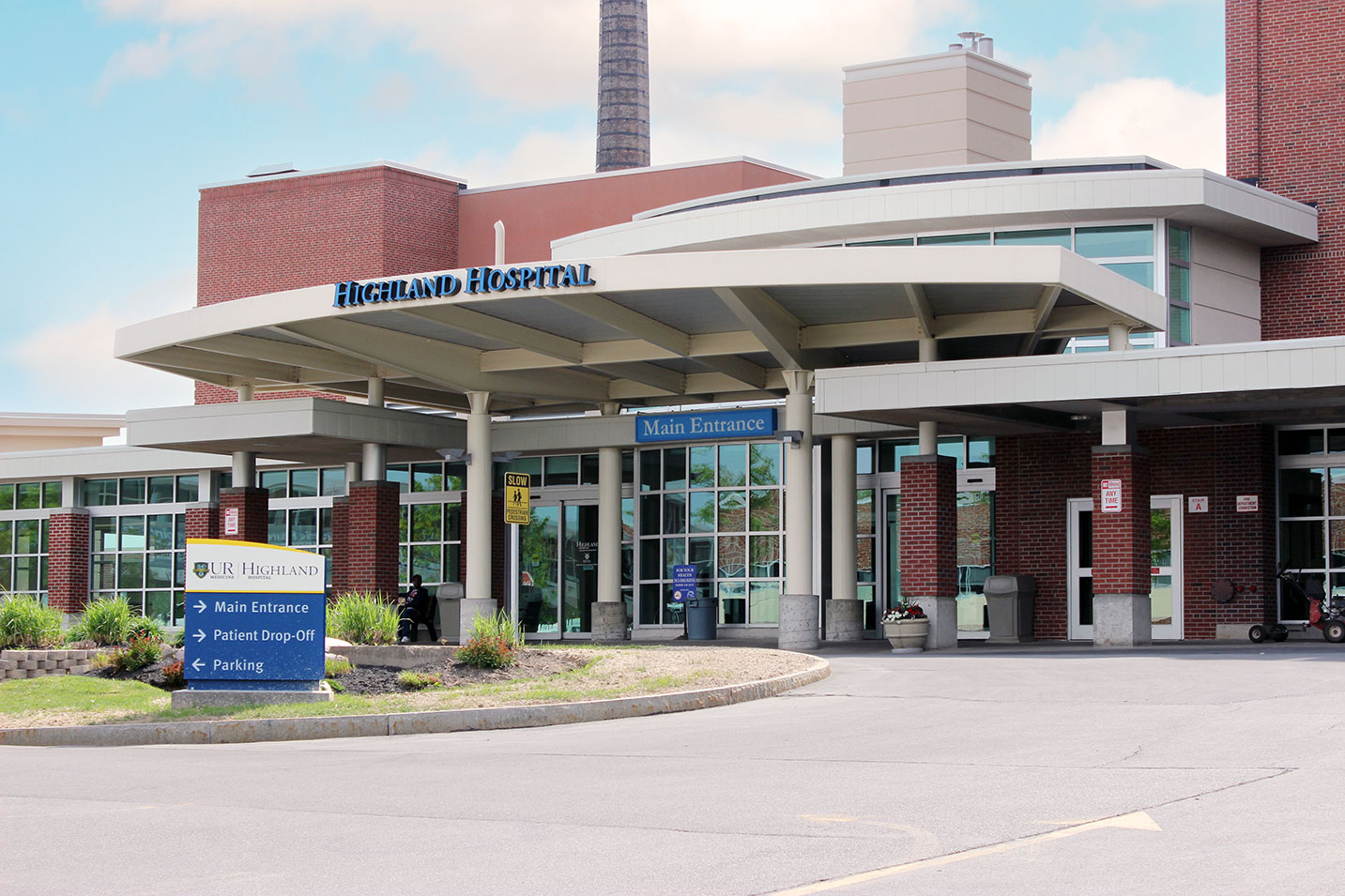
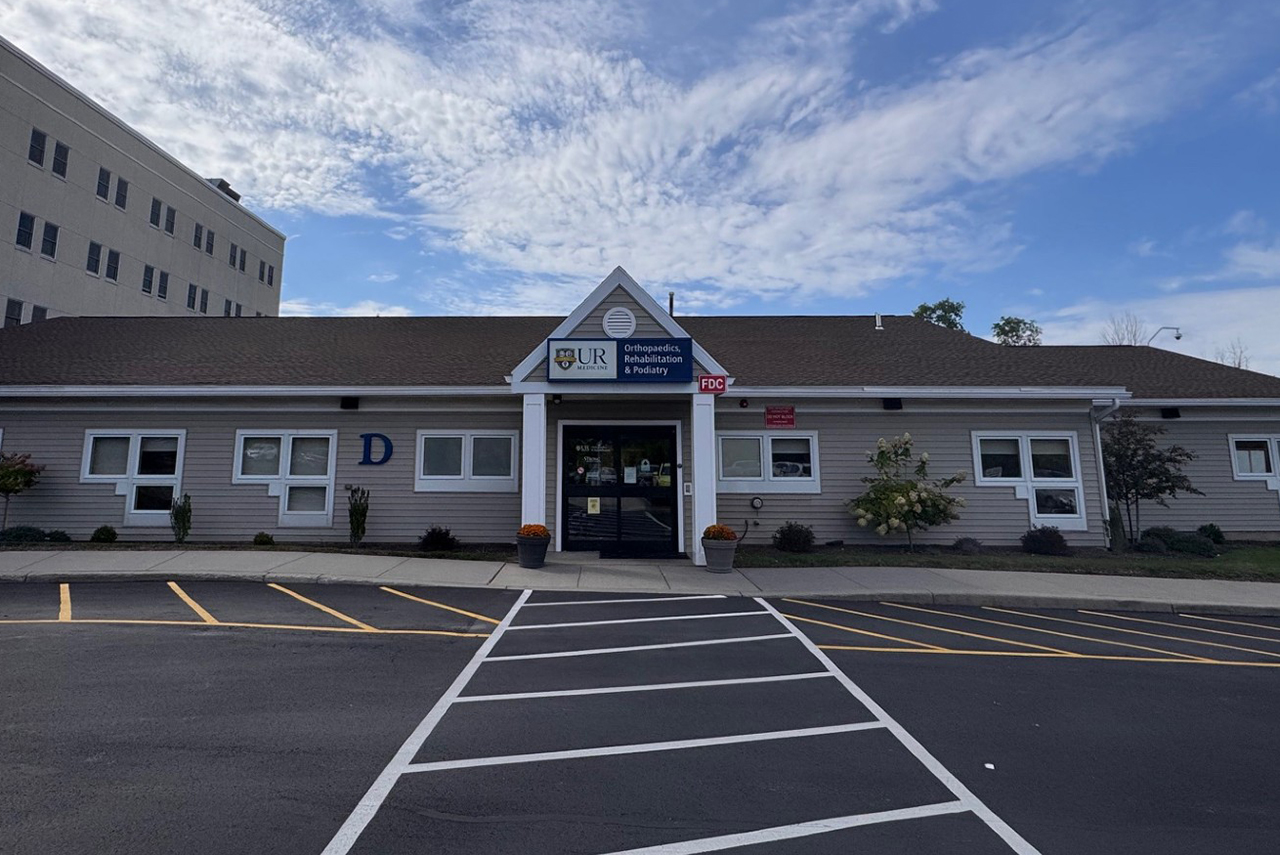
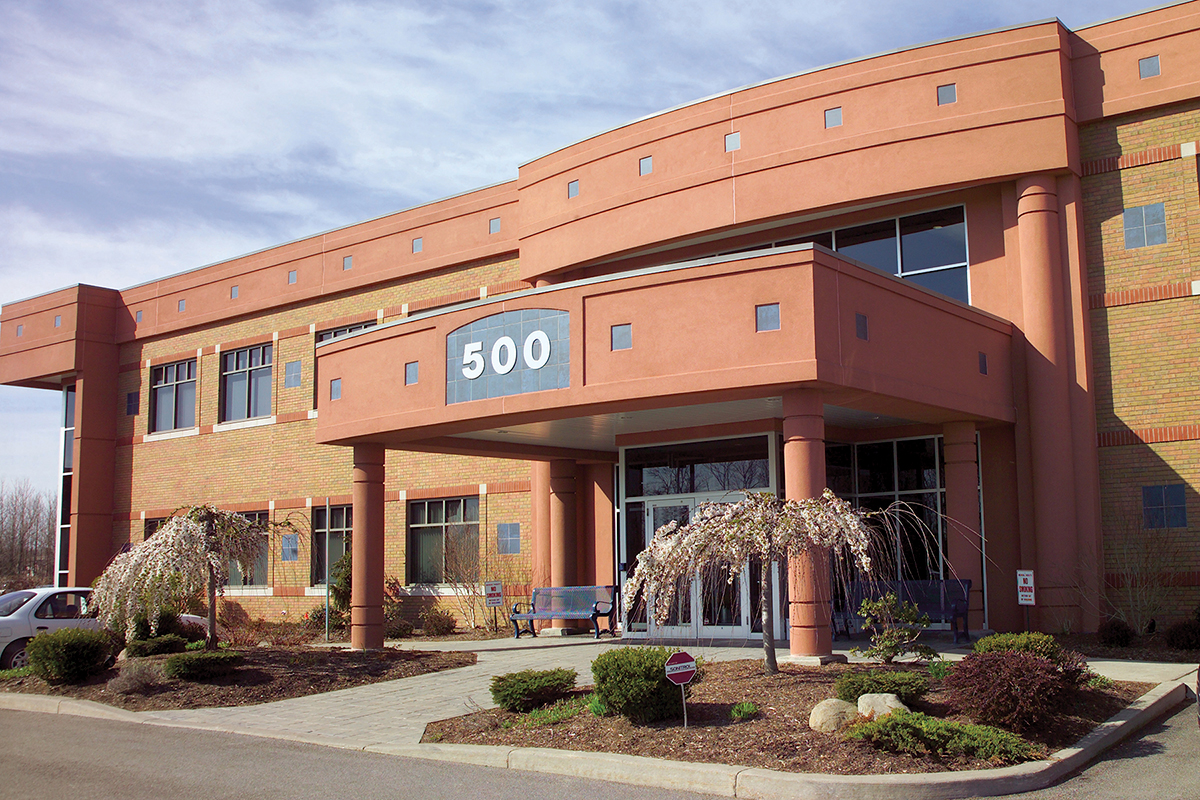
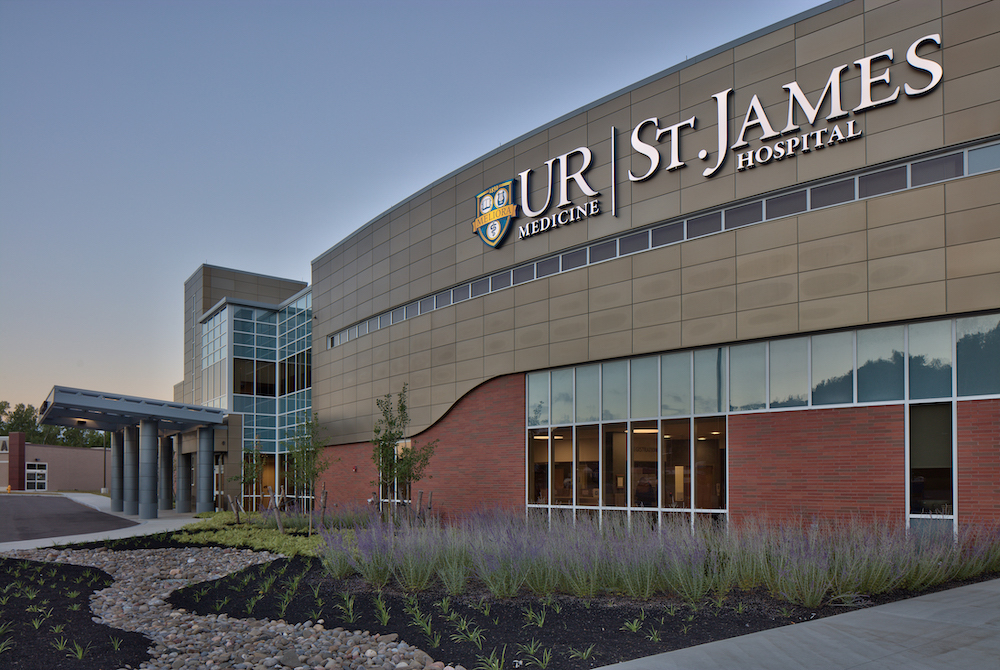
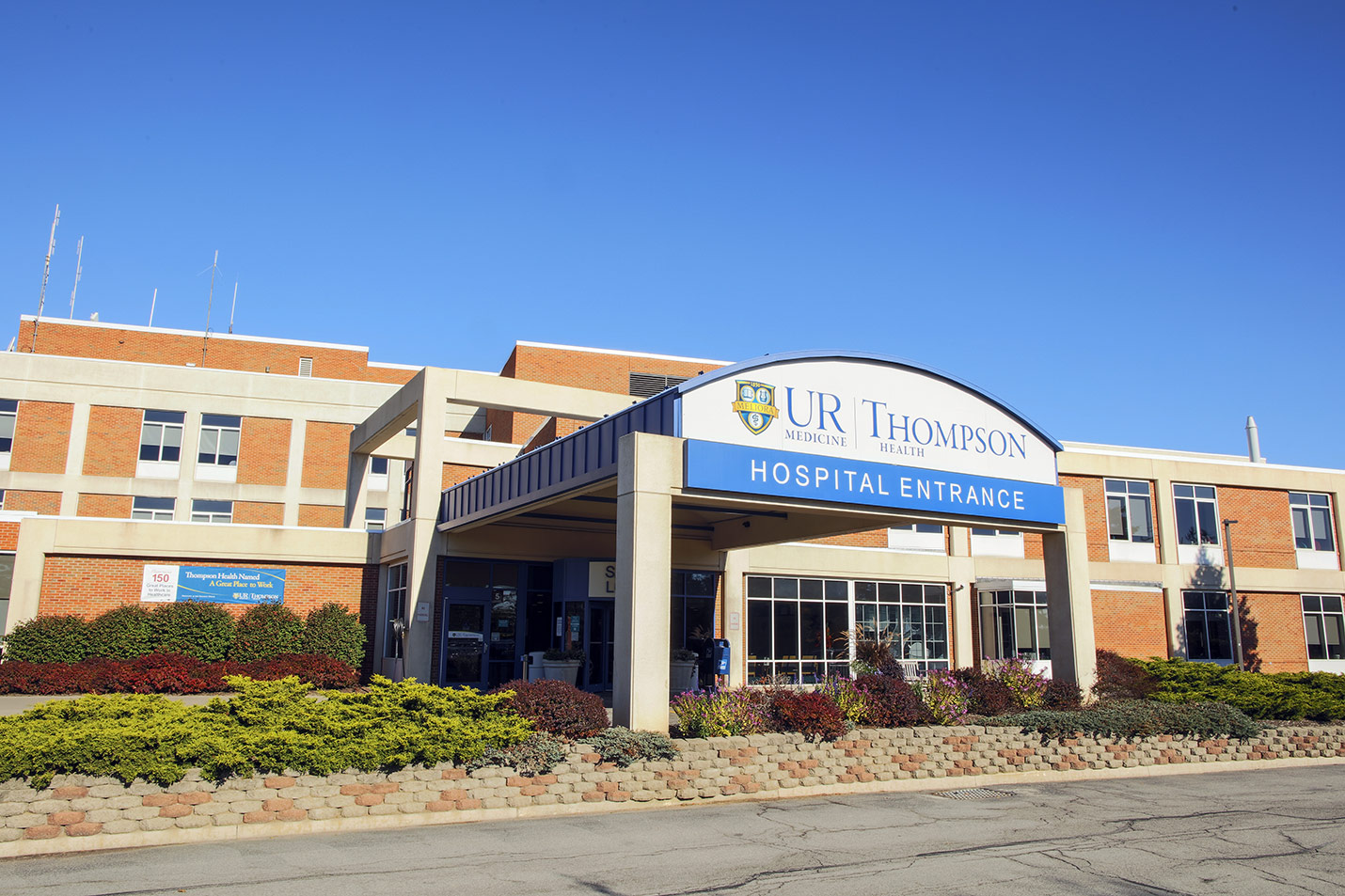
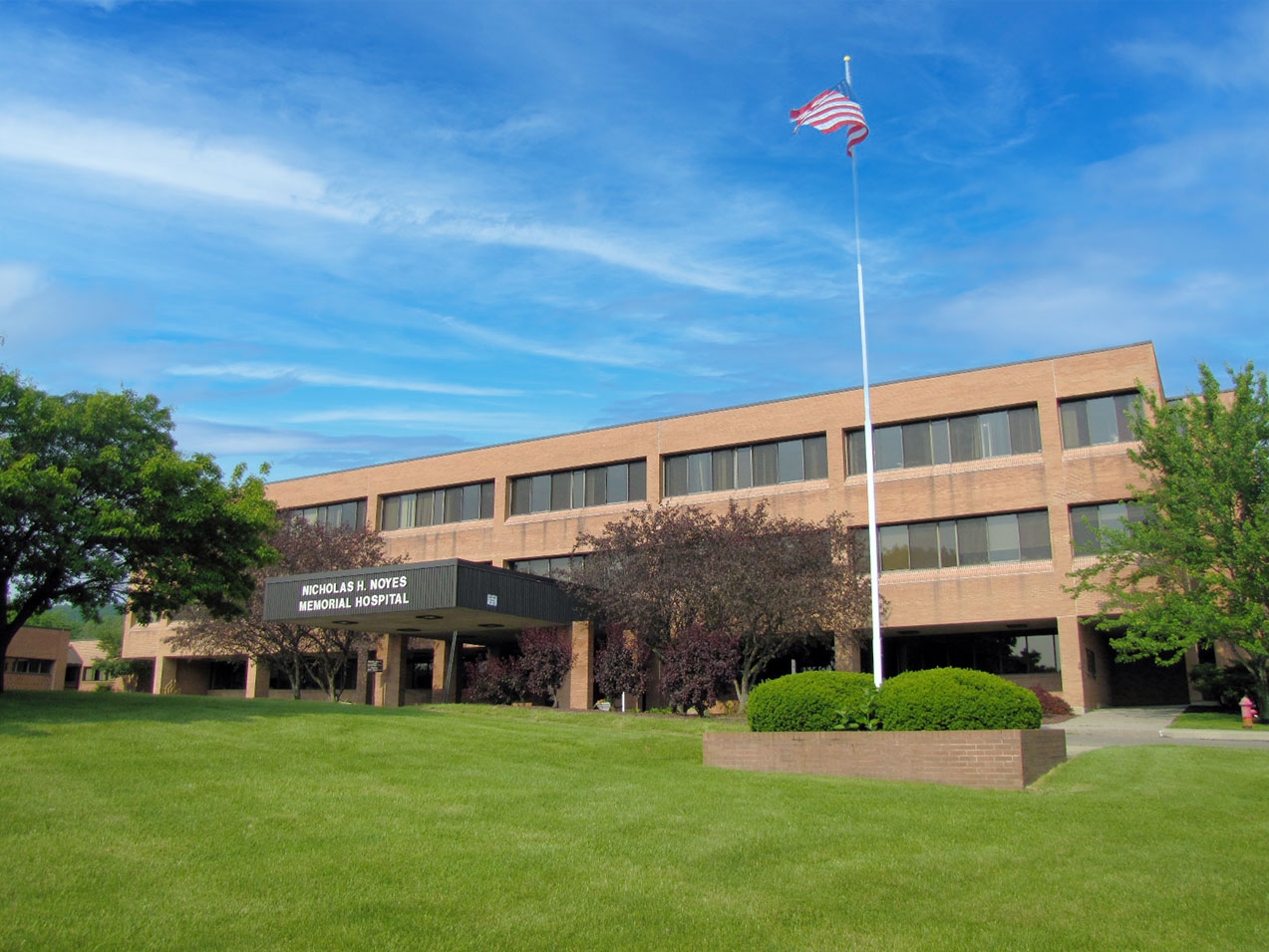
View All LocationsWe serve you in the Rochester metropolitan area and surrounding region. Locations are ordered by distance, with those closest to listed first.
20 locations


Patient Education & Support
Appointments
Our staff is here to help you find the care you need. From initial injury consultations, to follow up appointments, we'll help with scheduling so your experience is well-coordinated and most convenient.
To request a physician's appointment, call (585) 275-5321. To request a Physical Therapy, Occupational Therapy or Orthotics & Prosthetics appointment, call (585) 341-9200.
We are now offering online self-scheduling for follow-up appointments! If you'd like to schedule a follow-up appointment, log in to your MyChart account and go to "Appointments and Visits" to get started!
We're offering a convenient way to access some of our services. Telemedicine provides an efficient way to attend appointments with our providers, from the comfort of your home.
Clinical Trials
URochester Medicine Orthopaedics and Rehabilitation is committed to increasing the diversity and efficacy of treatments and procedures available to our patients from the Rochester, NY region. We conduct state-of-the-art translational studies to better understand disease processes and clinical trials in multi-site efforts that are national in scope.
Learn MoreRelated Services & Conditions
- Arthritis
- Foot & Ankle Pain & Injury
- ACL Injuries
- Sports Medicine
- Physical Performance (Fitness Science) Program
- Hip Pain
- Bone Cancer
- Bone Disease
- Sports Injuries
- Hand & Wrist Pain
- Herniated Disc
- Knee Pain
- MCL Injury
- Meniscus Injury
- Shoulder & Elbow Pain
- Orthopaedic Urgent Care
- Arthritis & Musculoskeletal Rehabilitation
- Osteoporosis
- Spinal Cord Injury
- Osteoarthritis
- Non-Surgical Joint Care
- Joint Replacement Surgery
- Back & Neck Pain
- Concussion (Mild TBI)
- Bone Fractures
- Podiatry Foot Problems
- Rotator Cuff Injury
- Hip Preservation Program
- Orthotics & Prosthetics
- Sports Medicine Specialty Programs
- Spine Center
- Hip Replacement Surgery
- Knee Replacement Surgery
- Shoulder & Elbow Replacement Surgery
- Pediatric Orthopaedics
- Motion Labs
- Brain & Spine Surgery
- Sport Psychology
- Running Clinic
- Active Spine Program
- Employee Orthopaedic Health Program
- General Orthopaedic Surgery
- Prosthesis
- Lower Extremity Reconstruction & Limb-Saving Care
- Orthopaedic Trauma
- Platelet-Rich Plasma (PRP) Therapy