

Program Details
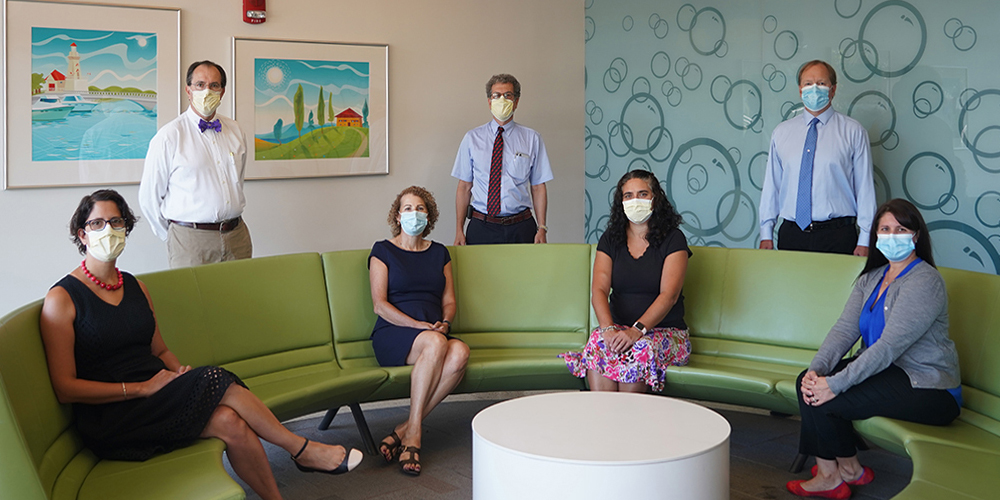
Pediatric Infectious Diseases, Faculty
Our Pediatric Infectious Diseases Fellowship provides a diverse training experience in which fellows can choose to focus on laboratory research, clinical research, receive training to work in the growing field of antibiotic stewardship. Fellows receive clinical training in our Pediatric Infectious Disease (PID) Service at Golisano Children’s Hospital, a tertiary care center for the 17 county Finger Lakes region. We see approximately 40 consults per month on the inpatient service and in our Level IV Neonatal Intensive Care Unit (NICU). In addition, fellows will receive outpatient training in our Pediatric ID clinic.
Fellows in our program are able to gain experience in the inpatient care of patients with diverse infections across many specialties, including renal, liver, and bone marrow transplant patients, an active Hematology/Oncology service, post-cardiac surgical patients, and refugee populations. In addition, our Pediatric Infectious Diseases Clinic provides outpatient care to children with HIV, fever of unknown origin, recurrent or prolonged fevers, and primary immunodeficiency disorders.
Service time is spread throughout the three years of Pediatric Infectious Disease Fellowship training to meet the ABP and ACGME program requirements of 11 months of clinical and 22 months of protected research time. As part of this rigorous experience, fellows work closely with respected investigators throughout the institution to independently complete a project that inspires their academic advancement while making a valuable contribution to the field of pediatric infectious diseases.
In addition to formal clinical and research training, the program has an organized calendar of educational activities to supplement the educational experience.
What Our Graduates Say...
"One of the best parts of training at URMC was the degree of independence shown by my attendings. They allowed me to make our own treatment plans and follow up. I got to run patient rounds, teach residents and medical students, and direct my own research projects. When I graduated and started my own practice, I felt comfortable making clinical decisions and still had some mentors I could bounce ideas or questions off of if I got stuck."
Pediatric Infectious Diseases Specialist and Pediatric Hospitalist The Children's Hospital at TriStar Centennial. Nashville, Tennessee.