
High Blood Pressure During Pregnancy: Signs, Risks, and Treatment
Key Takeaways
- High blood pressure during pregnancy is common and treatable when found early.
- Preeclampsia is a serious complication that includes high blood pressure and can develop during pregnancy or after delivery.
- Knowing the warning signs for preeclampsia can help protect both parent and baby.
- Regular prenatal visits and blood pressure checks are one of the best ways to catch problems early.
During pregnancy, the body goes through many changes. While some shifts are expected, high blood pressure (hypertension) during pregnancy can become serious if it isn’t treated.
Hypertensive disorders affect up to 1 in 10 pregnancies. Left untreated, high blood pressure can increase the risk of complications for both parent and baby. One of the most serious hypertensive disorders is preeclampsia, which can be dangerous because it impacts multiple organs.
Regular prenatal care, blood pressure monitoring, and early treatment significantly reduce risks of complications. University of Rochester Medicine’s maternal-fetal medicine specialist Courtney Olson-Chen, MD, offers insights on important warning signs and ways to protect your health throughout pregnancy and beyond.
What Is High Blood Pressure During Pregnancy?
Blood pressure measures how hard your blood pushes against your artery walls. During pregnancy, even small changes can provide important clues about your health.
There are several types of high blood pressure during pregnancy:
-
Chronic hypertension: High blood pressure that was present before pregnancy or develops before 20 weeks of pregnancy.
-
Gestational hypertension: High blood pressure that develops after 20 weeks without other signs of organ damage.
-
Preeclampsia: A pregnancy complication that includes high blood pressure and damage to organs, including the kidneys, liver, brain, or placenta.
Who Is Most at Risk?
High blood pressure can happen during any pregnancy, but certain factors increase your risk, including:
- First pregnancy
- Pregnancy with twins or multiples
- Obesity
- Diabetes
- Lupus
- Being age 35 or older
- A previous pregnancy affected by preeclampsia
- Chronic hypertension
- Kidney disease
What Are the Symptoms of Preeclampsia?
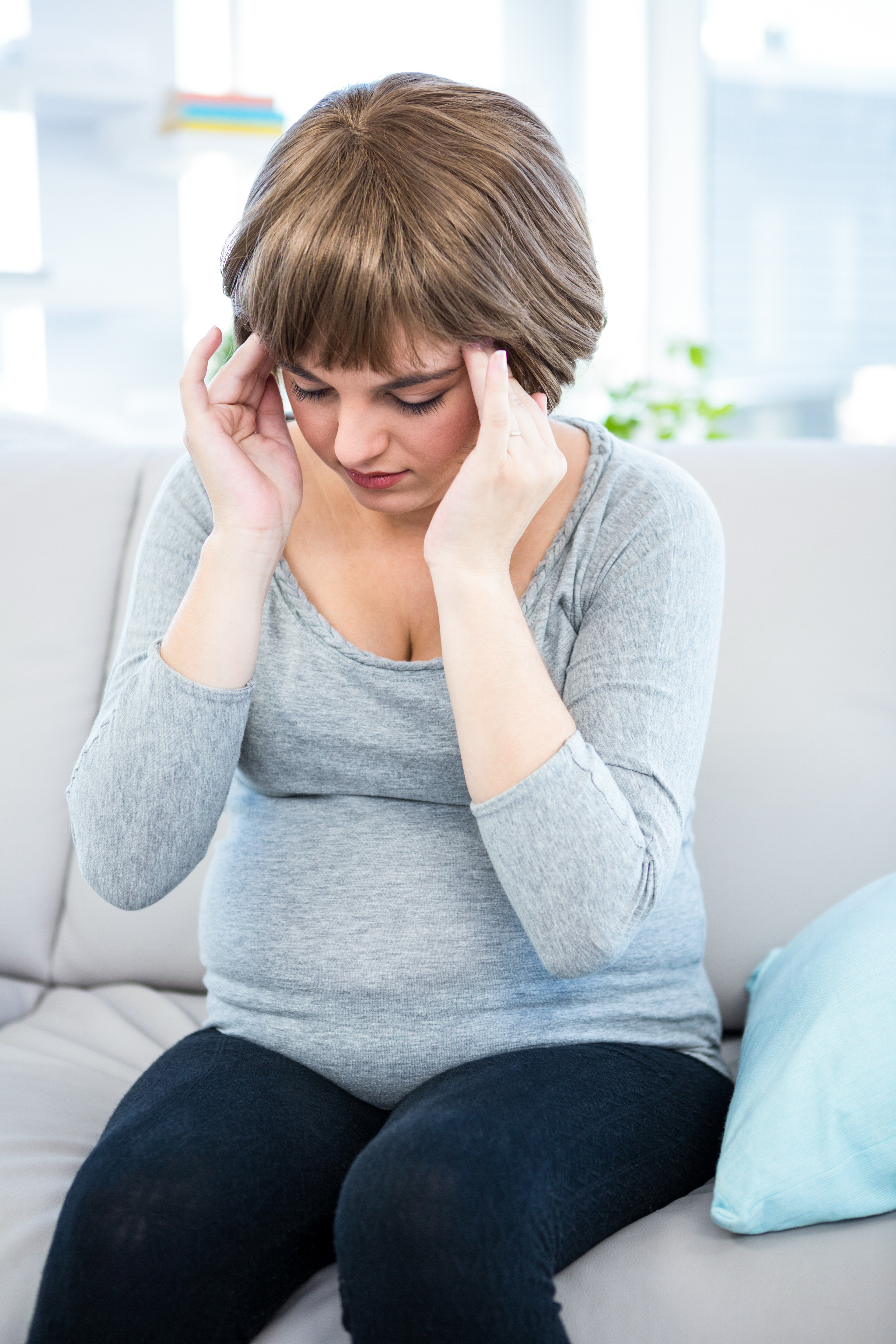
Common symptoms of preeclampsia include:
- High blood pressure (140/90 mmHg or higher)
- Severe headaches and vision changes
- Upper abdominal pain
- Nausea or vomiting in the second half of pregnancy
- Sudden weight gain and swelling (edema)
- Shortness of breath
Why Is Preeclampsia Becoming More Common?
Preeclampsia has become more common over the last few decades. This increase is linked to more people having children later in life and more people with chronic health conditions becoming pregnant.
The increase is also a sign of improved diagnosis. Preeclampsia was once only diagnosed when high blood pressure happened alongside protein in the urine. Now, experts recognize that people can develop preeclampsia without protein in the urine if other organs are affected. This broader definition has helped providers identify the condition earlier and begin treatment sooner.
Can Preeclampsia Happen After Delivery?
Yes. Preeclampsia can develop after the baby is born. Postpartum preeclampsia most often occurs within the first 48 hours after delivery but can develop up to six weeks later.
Growing evidence also shows that those who develop preeclampsia have a higher risk of having heart conditions later in life.
Find out more about warning signs, diagnosis, and treatment of preeclampsia.
How Is High Blood Pressure During Pregnancy Treated?
Treatment varies and will depend on how far along you are in your pregnancy, how high your blood pressure is, and whether or not you have developed preeclampsia.
Your care team may recommend:
- Frequent prenatal visits and blood pressure monitoring
- Home blood pressure monitoring
- Blood and urine tests
- Ultrasounds to check your baby's growth
- Low-dose aspirin beginning after 12 weeks for those at higher risk
- Planning the safest time for delivery if needed
- Medications that safely lower blood pressure
Can I Take High Blood Pressure Medication During Pregnancy?
Many people worry about taking medication during pregnancy. Fortunately, there are several blood pressure medications that have been well studied and are safe during pregnancy.
"We have good evidence that treating high blood pressure during pregnancy reduces the risk of serious complications," said Dr. Olson-Chen. "For many patients, the benefits of treatment clearly outweigh the risks."
The Latest Research in High Blood Pressure During Pregnancy
Research over the past several years has shifted treatment for high blood pressure during pregnancy. Studies now support treating high blood pressure at lower thresholds than in the past, and more providers are recommending blood pressure monitoring at home.
Treatment plans have become more personalized based on medical history and pregnancy. For people with a higher risk of developing preeclampsia, low-dose aspirin has become an important part of prevention.
Researchers are also studying new experimental treatments aimed at reducing proteins produced by the placenta that contribute to preeclampsia. These therapies are promising but are still being evaluated in clinical trials.
How Can I Prevent High Blood Pressure During Pregnancy?
If you're planning a future pregnancy, improving your health beforehand may lower your risk. This may include:
- Managing chronic conditions
- Staying physically active
- Spacing pregnancies appropriately
If you’re pregnant or planning to become pregnant, it’s important to schedule preconception or prenatal care to keep both you and your baby healthy.
Concerned About High Blood Pressure During Pregnancy?
Whether you have chronic hypertension, are experiencing a high-risk pregnancy, or simply have questions, University of Rochester Medicine provides expert care throughout every stage of pregnancy.