
Can Heat and Humidity Cause Shortness of Breath?
Key Takeaways
- Hot, humid weather can make breathing harder, especially for people with asthma or other lung conditions.
- Heat and humidity may worsen shortness of breath by increasing airway irritation and making it harder for sweat to cool the body.
- Air pollution and ozone levels often rise in summer, further affecting lung health.
- Exercising outdoors during extreme heat may increase the risk of heat-related illness and breathing difficulties.
- Seek medical care right away or call 9-1-1 for severe shortness of breath, chest pain, or signs of heat stroke.
Summer brings longer days, outdoor exercise, and time spent enjoying the sun. But heat and humidity can also make it harder to breathe, especially for those with asthma, chronic obstructive pulmonary disease (COPD), and other lung conditions.
Chair of Emergency Medicine at URochester Medicine, Michael Kamali, MD, explains how summer weather affects breathing, puts added stress on the body and lungs, and when to seek medical attention.
Can Heat Cause Shortness of Breath?
Yes. Hot weather can make breathing feel more difficult, even for healthy people.
- Your body works harder: In hotter temperatures, your body is working harder to stay cool: Your heart pumps faster, and blood flow increases to the skin. These changes increase your oxygen needs and can leave many people feeling short of breath.
- Dehydration plays a role: Heat can also trigger dehydration, making it harder for your body to regulate temperature and function properly.
- Underlying conditions can worsen: People with asthma, heart disease, COPD, and other chronic conditions may notice their symptoms worsen in the heat.
Does Humidity Make it Hard to Breathe?
Is Asthma Worse in the Summer or Winter?
Asthma symptoms can flare in any season, but triggers differ throughout the year.
Winter: Cold, dry air often worsens asthma.
Summer: Heat, humidity, pollen, mold, and elevated ozone levels may all contribute to breathing difficulties.
If you have asthma, work with your care team to identify triggers and create an action plan to manage symptoms all year.
Humidity can make hot weather feel even hotter because it slows the evaporation of sweat. Since sweat is one of the body's natural cooling mechanisms, humidity can make it even harder to cool down.
Humid air can feel "heavy" for many people. While it doesn't cause reduced oxygen levels, it can make breathing feel more difficult.
High humidity can make symptoms worse, such as:
- Shortness of breath
- Wheezing or coughing
- Chest tightness
- Fatigue
If you have COPD, be sure to closely monitor symptoms on hot and humid days.
How Does Air Quality Affect Breathing?
Air quality often worsens during hot summer weather because heat and sunlight can increase ground-level ozone levels, a pollutant that forms when emissions from cars and industry react in the atmosphere.
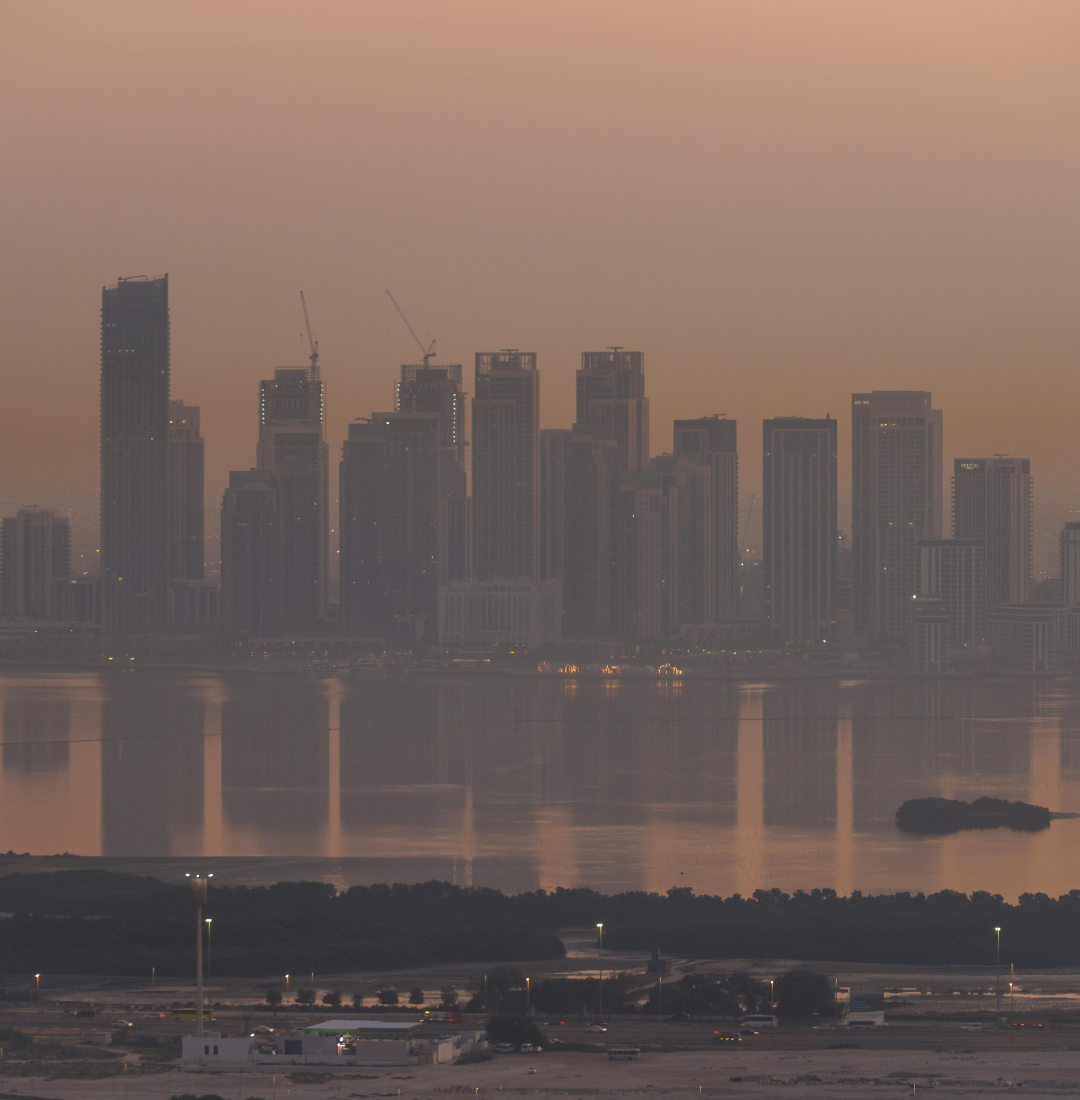
Air Quality & Your Brain
Learn how smoke-related air quality affects your lungs, heart, and overall health, and what emerging research says about air pollution's effects on the brain.
How to Exercise Safely in Heat and Humidity
Staying active is important for physical and mental health, but extreme heat calls for extra caution.
Take these extra safety steps when exercising in the heat:
- Exercise during cooler times of the day. Avoid the hottest hours, typically between 11 a.m. and 3 p.m.
- Start workouts hydrated and continue drinking fluids throughout activity.
- Reduce intensity or duration when temperatures and humidity are high.
- Wear lightweight clothing, sunscreen, sunglasses, and a hat.
- Take frequent breaks in the shade or an air-conditioned space.
Know your limits. People who are not accustomed to exercising in hot weather may be at greater risk of heat-related illness.
Heat Exhaustion vs. Heat Stroke
Heat stroke is a medical emergency that requires immediate care. Know the signs and symptoms of both.
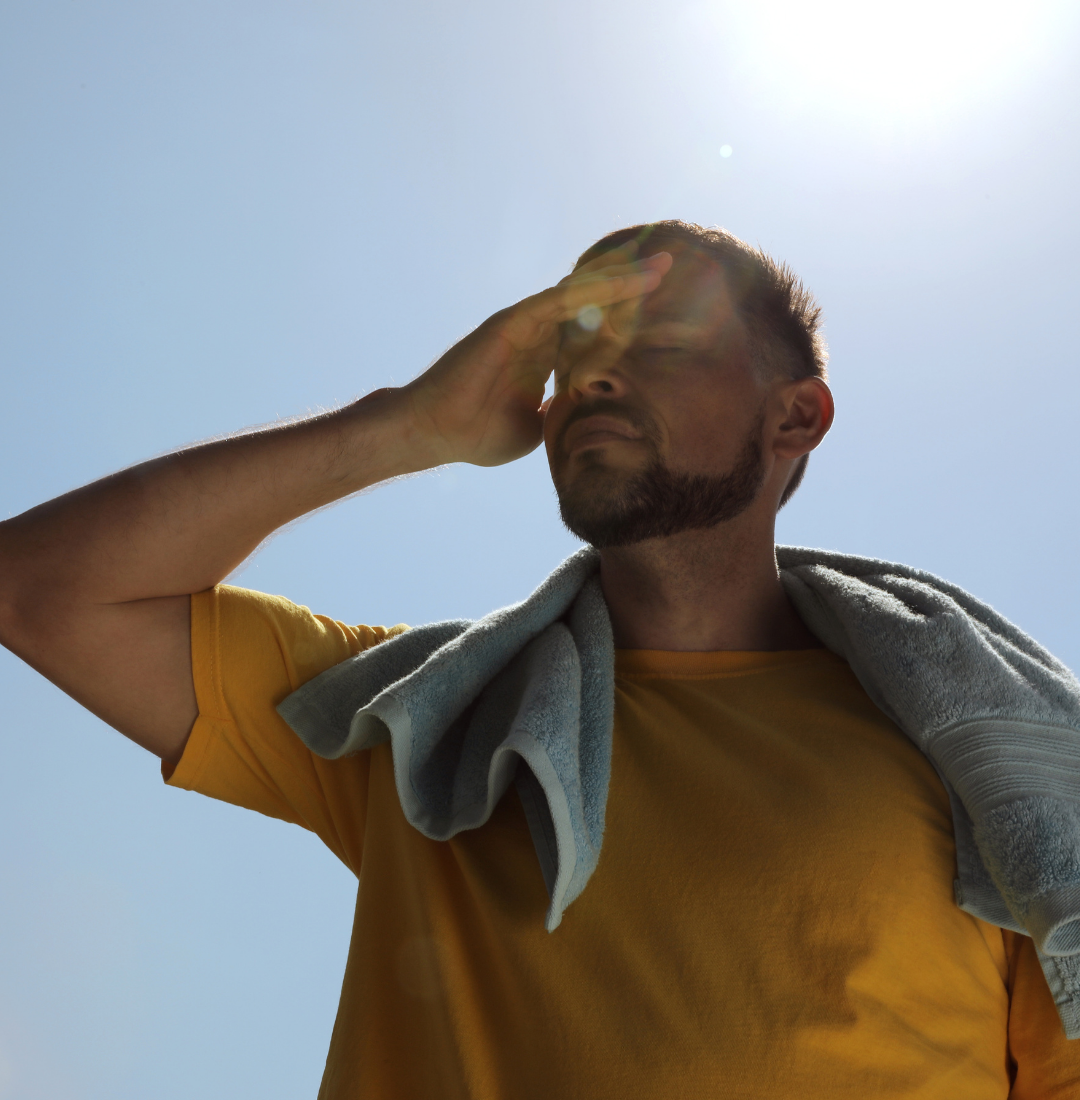
When Should You Seek Medical Care for Breathing Problems?
- Severe or worsening shortness of breath
- Chest pain or pressure
- Blue lips or fingertips
- Confusion or fainting
- Wheezing that does not improve with medication
- Signs of heat stroke
A Guide to a Safer, Healthier Summer
Connect with us!