

A Match Made in Mindfulness: Office of Wellbeing Welcomes Transformative Program
A University of Rochester Medicine mindfulness program with a global reach has found a new home with the Office of Wellbeing.
Mindful Practice in Medicine (MPIM), founded in 2007 by Ronald Epstein, MD, and Mick Krasner, MD, has helped thousands of physicians thrive with unique, evidence-based programs. MPIM focuses on rebuilding joy, reducing burnout, providing compassionate, patient-centered care, and restoring connections with one’s purpose, patients, and oneself. Placing it under the aegis of the URochester Medicine Office of Wellbeing positions it for long-term sustainability and growth.
Demonstrated Success
Publications in Academic Medicine and the Journal of Continuing Education in the Health Professions demonstrate that MPIM’s multi-day Flourishing in Medicine Core Workshops yield enduring improvements, including:
- 30 percent reduction in professional burnout.
- 24 percent improvement in work engagement
- 25 percent reduction in stress-related symptoms
- 43 percent improvement in professional well-being
- 61 percent improvement in patient-centered care
- 24 percent improvement in job satisfaction.
Upcoming Core Workshops
For information on upcoming Core Workshops, visit the Mindful Practice website.
Intended for physicians, PAs, NPs, allied professionals and administrative leaders, these 4-day retreat-like experiences help participants energize their clinical work, find joy and resilience, and address burnout and moral distress. Themes include noticing and awareness, managing conflict, flourishing and resilience, responding to errors, working with suffering, health professional grief and loss, and organizational change.
Epstein, professor of Family Medicine, and Krasner, professor emeritus of Medicine, will continue to direct MPIM, working with Chief Wellbeing Officer Craig Rooney, PhD, and his team.
“Doctors Epstein and Krasner built a remarkable program—one that literally changes lives,” Rooney said. “I’m proud to welcome it to the Office of Wellbeing. We know both individual and system-wide interventions are necessary, and MPIM is a powerful tool for individuals that positively influences the system as a whole. By bringing MPIM into our office, we hope to expand its accessibility and inform system-level interventions.”
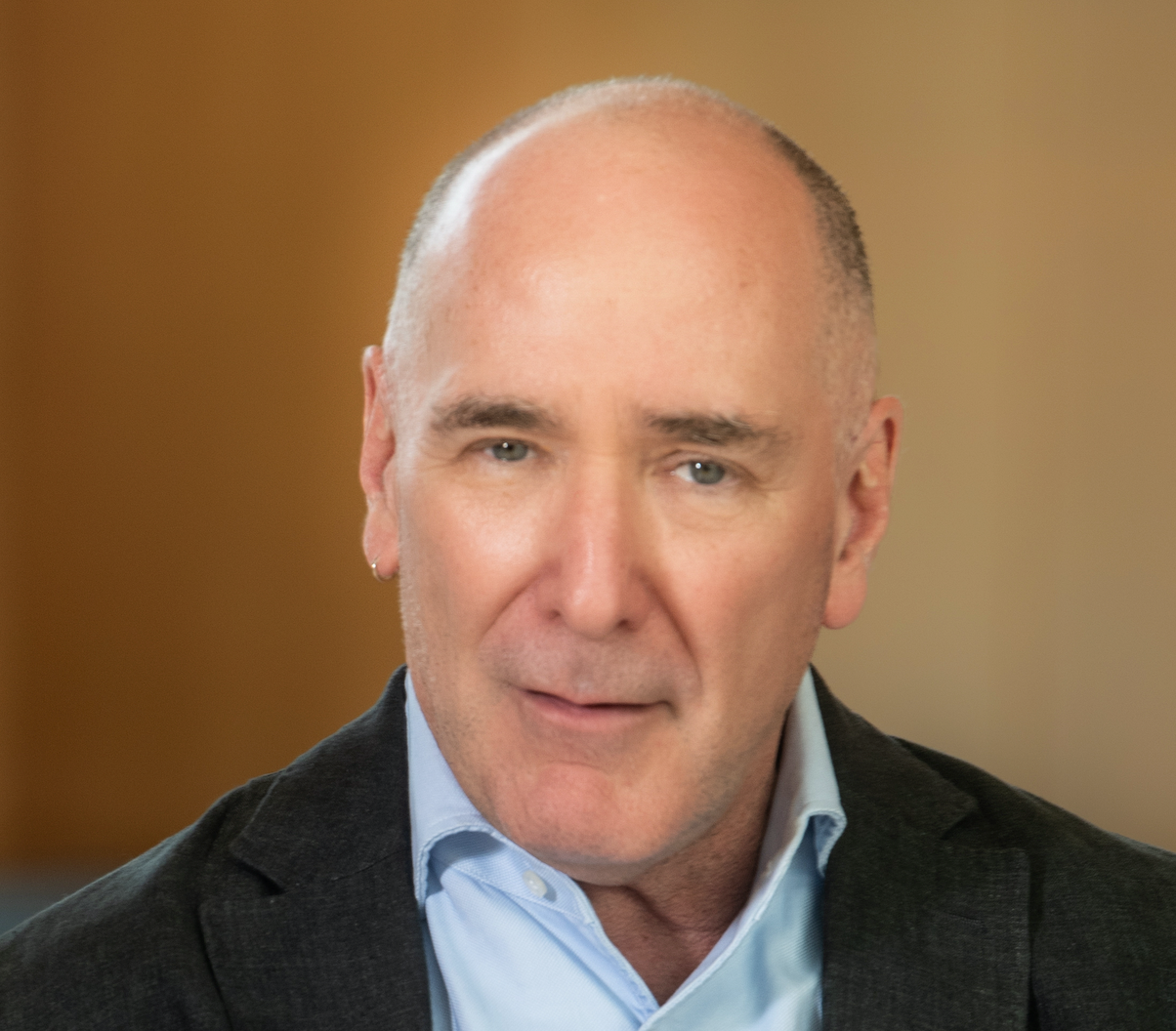
“This will fully align MPIM with the University’s focus on both individual wellbeing and on cultivating healthier learning and work environments and position it to help address our broader commitment to systemic change,” Krasner said.
Local Roots, Global Impact
MPIM was founded and operated within the Department of Family Medicine. After a 2009 Journal of the American Medical Association paper demonstrated improvements in clinician wellbeing and patient care, demand escalated locally and globally. In response, Epstein and Krasner developed a two-tiered program with six Centers of Excellence in the USA, Australia, Canada, Singapore, Sweden, and Switzerland.

MPIM offers a blend of experiential sessions to help build capacity for self-awareness, focus, presence, and deep listening. Participants engage in reflective dialogues about working with suffering, responding mindfully to errors, addressing conflict, facing grief and loss, enhancing teamwork, and organizational leadership and change. They leave with awareness practices and other tools that help them be more mindful in their daily lives.
“Some of these strategies don’t directly change the work environment, but participants consistently report that, by changing their relationship to their workplace and energizing their capacity for change, they are better able to take leadership in changing workplace culture,” Krasner said.
Epstein and Krasner have already worked to make MPIM more accessible by securing 70 percent tuition reimbursement for University employees, making MPIM CME-eligible, and offering shorter-form programs, Rooney noted.
“Multi-day retreats aren’t possible for everyone, and these strategies are not a panacea for every work area, so we are working with MPIM to create a greater menu of options and formats to meet the challenges of health professionals across the institution,” Rooney said.
Carol-Lynn Petronaci, MD, associate professor of Medicine, has participated in two retreats and will join another in October.
For her, it’s a welcome chance to put aside the competing demands inherent in academic medicine and reconnect with her colleagues—and herself.
“When I practice mindfulness, practicing medicine becomes less stressful,” she said. “I can pause. I can wait and see how things develop. I sleep better. All of this enhances the physician-patient relationship, which assuredly will have a positive impact on patient care.”
Fellow MPIM alum Judy Baumhauer, MD, MPH, vice dean for Academic Affairs, still follows the practices she learned, such as pausing at a doorway to take a deep breath.
“It might sound corny—why didn’t you think of that yourself?” she said with a laugh. “But the way they weave these things into the larger program and coach you on the most effective ways to apply them is very helpful. It’s something everyone can benefit from at the right time.”
“It brings us back to ourselves,” Petronaci said. “It centers us. We can explain and understand what’s happening in our minds and how that impacts our response to things. We are wired to respond in certain ways, and some of them are maladaptive. Mindfulness practice helps you untangle that so you can problem-solve in a more rational way.”
Poised for Growth
One of MPIM’s newest offerings is a training pathway for residency program directors.
“Being a training director is challenging: You must balance accreditation requirements, workplace culture, curriculum, and evaluations,” said Brett Robbins, MD, senior associate dean for Graduate Medical Education. “Then it’s up to you to declare that the trainees meet board certification criteria and release them to the public’s trust. Faculty will benefit from a mindfulness approach as they make these high-stakes decisions, and trainees will benefit, too.”
Robbins himself is a MPIM alum.
“I call it my Jedi training,” he said with a laugh.
Program alum Teresa Miller and her husband John Goeke gave MPIM another recent boost. Miller, a Union Springs psychiatrist who completed her residency at URochester Medicine, experienced profound benefits, both professional and personal, from MPIM. She considers it so vital to the future of medicine that she and Goeke made a five-year pledge totaling $250,000, building on endowments they established at URochester Medicine and Upstate Medical University to help psychiatry residents participate in MPIM.
Their new pledge supports the infrastructure and staffing needed to integrate MPIM more fully into the University of Rochester system and supports efforts to secure additional funding.