
Is MRI Contrast Safe? Why Screening Questions Matter
Key Takeaways
- MRI contrast is safe for most patients, but careful screening helps ensure it's appropriate for you.
- Questions about your health history, allergies, kidney function, and medical implants help your care team plan the safest exam.
- Not every MRI requires contrast, and your care team will determine whether it's needed based on your condition.
- Understanding the screening process can help you feel more prepared and confident before your appointment.
The questions you answer before an MRI aren't just routine paperwork—they're one of the most important safety tools for your imaging team.
University of Rochester Medicine radiologists and MRI technologists review your medical history to ensure your exam is both safe and optimized to answer your physician's questions.
What Is Included in MRI Safety Screening?
MRI safety screening includes questions about your past and current health to help your care team prepare for your scan safely and efficiently. You may be asked about:
- Implanted medical devices or any metal in or on your body
- Kidney function (especially if your MRI may include contrast)
- Pregnancy or the possibility that you may be pregnant
- Claustrophobia or anxiety about the exam
- Medical conditions and previous surgeries
- Prior reactions to MRI contrast
- Any concerns or questions you have about the scan
In some situations, if there's concern about metal fragments in your eyes or body because of a previous injury or occupation, your care team may recommend a screening X-ray before your MRI.
Is MRI Contrast Safe?
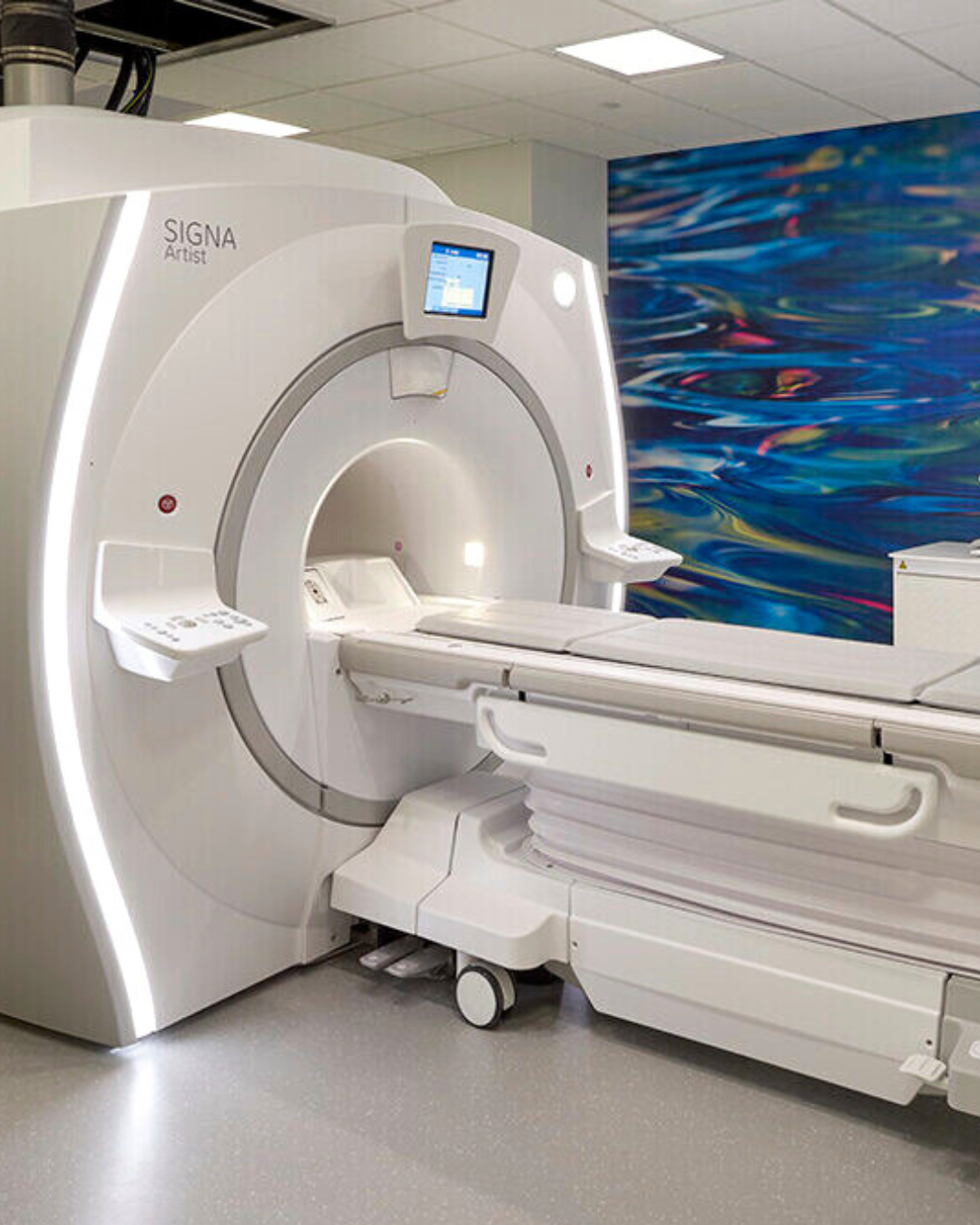
Yes. MRI contrast, also called a gadolinium-based contrast agent, is a medication injected through an IV before certain MRI scans. It helps your radiologist better distinguish normal from abnormal tissue and evaluate inflammation, tumors, infection, blood vessels, and other conditions.
These contrast agents have been used safely for decades and are well tolerated by most people. In patients with normal kidney function, most of the contrast is eliminated in the urine within about 24 hours.
Patients with acute kidney injury or advanced chronic kidney disease may require additional evaluation before receiving contrast.
Despite its long history of safe use, MRI contrast is surrounded by a few common myths.
Myth: MRI contrast damages your kidneys.
Fact: Unlike many CT contrast agents, MRI contrast agents have a very low risk of affecting kidney function. Providers carefully screen patients with advanced kidney disease to ensure contrast can be used safely.
Myth: Shellfish or iodine allergies increase your risk of an MRI contrast reaction.
Fact: MRI contrast does not contain iodine. Having a shellfish or iodine allergy does not increase your risk of an allergic reaction to gadolinium contrast.
Before your scan, your care team will review your medical history, kidney function, and any previous reactions to contrast to determine whether contrast is appropriate for you.
What to Expect If Your MRI Includes Contrast
If your MRI requires contrast, an IV will be placed in your arm before the scan. The contrast is injected through the IV and travels through your bloodstream, allowing certain tissues and abnormalities to appear more clearly on the images.
Most people don't notice anything unusual when the contrast is injected. Some experience a brief cool sensation at the IV site or a temporary metallic taste.
After your MRI, you can return to your normal activities unless you've been given other instructions.
Potential MRI Contrast Side Effects
Most people experience no side effects from gadolinium contrast.
What About Gadolinium Retention?
Small amounts of gadolinium may remain in certain tissues after a contrast-enhanced MRI, including in people with normal kidney function. To date, studies have not established that this retention causes harmful health effects in patients with normal kidney function.
Your radiologist will recommend contrast only when its expected diagnostic benefit outweighs any potential risk. If contrast is unlikely to provide additional diagnostic information, it will not be used.
- Headache
- Nausea
- Dizziness
- A brief metallic taste
- Mild discomfort at the IV site
Can You Have an MRI If You Have a Pacemaker or Implant?
It depends on the type of device. Implanted medical devices fall into three categories: MR Safe, MR Conditional, or MR Unsafe.
- MR Safe: Does not pose a safety risk during an MRI. These items don't contain metal or are made from materials that aren't attracted to magnets.
- MR Conditional: These devices can often be scanned safely, but only under specific conditions. Many modern pacemakers are MR Conditional, and MRIs can often be performed safely when established safety protocols are followed in coordination with cardiology or electrophysiology. Other examples include neurostimulators, cochlear implants, and certain glucose monitors.
- MR Unsafe: These devices may pose significant safety risks during MRI because they can move, heat up, or malfunction in the magnetic field.
If you have an implanted device, be sure to tell your care team before your appointment. They will verify whether it is safe to perform your MRI and whether any special precautions are needed.
How to Prepare for an MRI
Preparing for an MRI is straightforward, and your safety is our top priority. Before your scan:
- Remove all metal, including jewelry.
- Complete the safety screening, including disclosing any implanted medical devices or metal in your body.
- Tell your care team if you have claustrophobia, are pregnant, or think you may be pregnant.
- Eat and drink normally unless instructed otherwise by your care team.
Breastfeeding After MRI Contrast
If you're breastfeeding, you can usually continue breastfeeding after receiving a gadolinium-based contrast agent. Only a very small amount enters breast milk, and even less is absorbed by your baby.
Professional medical organizations do not recommend interrupting breastfeeding after receiving gadolinium contrast. If you have questions or concerns, discuss them with your care team before your exam.
Worried About Feeling Claustrophobic During an MRI?
It’s understandable to feel anxious about being in the MRI machine. Claustrophobia during an MRI is common, and it affects everyone differently. If you have severe claustrophobia, your physician may prescribe an oral medication to help you relax. Sedation through an IV may also be an option.
Other ways to feel more comfortable during your MRI:
- Listen to music
- Wear an eye mask
- Practice slow, deep breathing
Helping You Prepare for Your Scan
Learn more about MRI scans, including what to expect before, during, and after your scan.
Connect with us!