What Is Spinal Muscular Atrophy?
Key Takeaways
- Spinal Muscular Atrophy (SMA) is a rare genetic disorder that causes progressive muscle weakness by affecting the nerve cells that control movement.
- It is caused by a gene mutation, which leads to a lack of a critical protein needed for motor neuron survival.
- Early diagnosis and early treatment are critical, helping to preserve motor function and improve long-term outcomes.
- Gene therapy has transformed SMA care, allowing many children to achieve milestones such as sitting, standing, and even walking independently.
Spinal Muscular Atrophy (SMA) is a rare, genetic neuromuscular disorder that affects the nerve cells in the spinal cord responsible for controlling voluntary muscle movement. Over time, these motor neurons deteriorate, leading to progressive muscle weakness and loss of muscle mass.
SMA is caused by a mutation in the gene responsible for producing a protein that motor neurons need to function properly. Without enough of this protein, motor neurons gradually die, making it harder for muscles to react to signals from the brain.
SMA affects people differently. In some infants, symptoms appear within the first few days to months of life and can impact breathing, swallowing, and movement. In other cases, symptoms may not appear until later childhood or even adulthood, often appearing as gradual muscle weakness, difficulty climbing stairs, or frequent falls.
SMA is typically categorized into types (Type 1 through Type 4) based on age of onset and the highest motor milestone achieved. While severity varies, early diagnosis and treatment in recent years have dramatically improved outcomes.
How Is Spinal Muscular Atrophy Diagnosed?
SMA is diagnosed through genetic testing. A blood or saliva test can confirm whether there is a mutation or deletion in the SMN1 gene.
The neuromuscular team at University of Rochester Medicine strongly advocated for adding the condition to the state’s newborn screening panel, helping ensure families receive answers and access to care as early as possible.
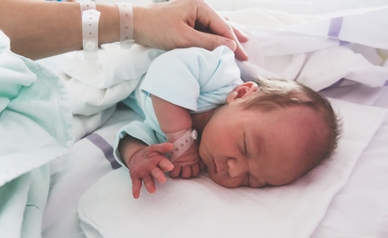
“New York was among the first states to start screening for SMA in newborns as treatments emerged nationally, which allowed us to bring these therapies into clinical practice sooner,” explained Dr. Bo Hoon Lee, MD, a pediatric neurologist and member of the Pediatric Neuromuscular Clinic at URochester Medicine’s Golisano Children’s Hospital.
How Is Spinal Muscular Atrophy Treated?
While there is currently no cure for SMA, treatments and therapies have transformed what this diagnosis looks like today.
Treatment plans may include:
- Disease-modifying medications
- Gene therapy
- Physical and occupational therapy
- Respiratory support
- Nutritional support
Gene Therapy for SMA
Gene therapy represents one of the most significant advancements in SMA care. This treatment works by delivering a functional copy of the SMN1 gene to the body’s cells, enabling them to produce the missing SMN protein needed for motor neuron survival.
Gene therapy for SMA is typically given as a one-time infusion. It is most effective when administered early, ideally before symptoms develop.
Clinical outcomes have shown that many children treated early with gene therapy experience improved motor function, increased strength, and had the ability to sit, stand, or walk independently. “Gene therapy has redefined what we once thought was possible for these children,” said Dr. Lee.
As research continues, the outlook for individuals diagnosed with SMA continues to improve, offering hope to families and redefining life after diagnosis.

Gene therapy transformed Samuel and Daniela's futures.
Neuromuscular Disease Research at University of Rochester Medicine
At the URochester Medicine’s Neuromuscular Disease Center, patients of all ages receive expert diagnosis, personalized treatment, and access to innovative research, all within a collaborative, multidisciplinary care model designed to support the best possible outcomes.
Connect with us!