

Braving the Elements: How Winter Weather Influences Skin
Winter can be tough on your skin. Whether you're aiming for a radiant glow or battling dryness, keeping your skin healthy, hydrated, and happy is the secret to thriving all season long.
What is Dry Skin?
Dry skin, or xerosis, is a lack of water in the epidermis, the outer skin layer. Symptoms include roughness, flakiness, itchiness, redness, and cracks, often worsening after hot showers or swimming. Dermatologists recognize a condition known as Winter Xerosis or Winter Itch, exacerbated during the colder months.
The Cold Hard Facts: Winter’s Effects on Your Skin

In winter, ambient humidity drops, leading to faster moisture loss from the skin. Icy winds further compromise the skin's protective barrier, stripping essential oils. These oils, produced by the sebaceous glands, are already reduced during the darker months, exacerbating moisture loss.
The shorter daylight hours impact numerous bodily systems, visibly affecting the skin. Changes in light-dark cycles disrupt circadian rhythms, affecting everything from sebum production to barrier recovery.
Hormonal changes during this season also alter skin oil production and trigger acne. Additionally, reduced sunlight diminishes Vitamin D synthesis, which is crucial for skin repair. Despite the cold, protecting your skin from UV radiation is vital, as the winter sun, reflecting off snow and ice, can be just as harmful as the summer sun.
The Many Faces of Dry Skin: From Symptoms to Sources
Dry skin varies, from Winter Itch to eczema (atopic dermatitis), psoriasis, diabetic dermopathy, dermatitis, and hypothyroidism-linked dryness. Allergies can also worsen or cause dry skin, like allergic contact dermatitis and hives (urticaria). Some allergy medications, notably antihistamines, also contribute to skin dryness. Product-induced dry skin, resulting from ingredients like AHAs, BHAs, retinol, benzoyl peroxide, and sulfates, often occurs due to their stripping effects on natural oils and skin barriers.
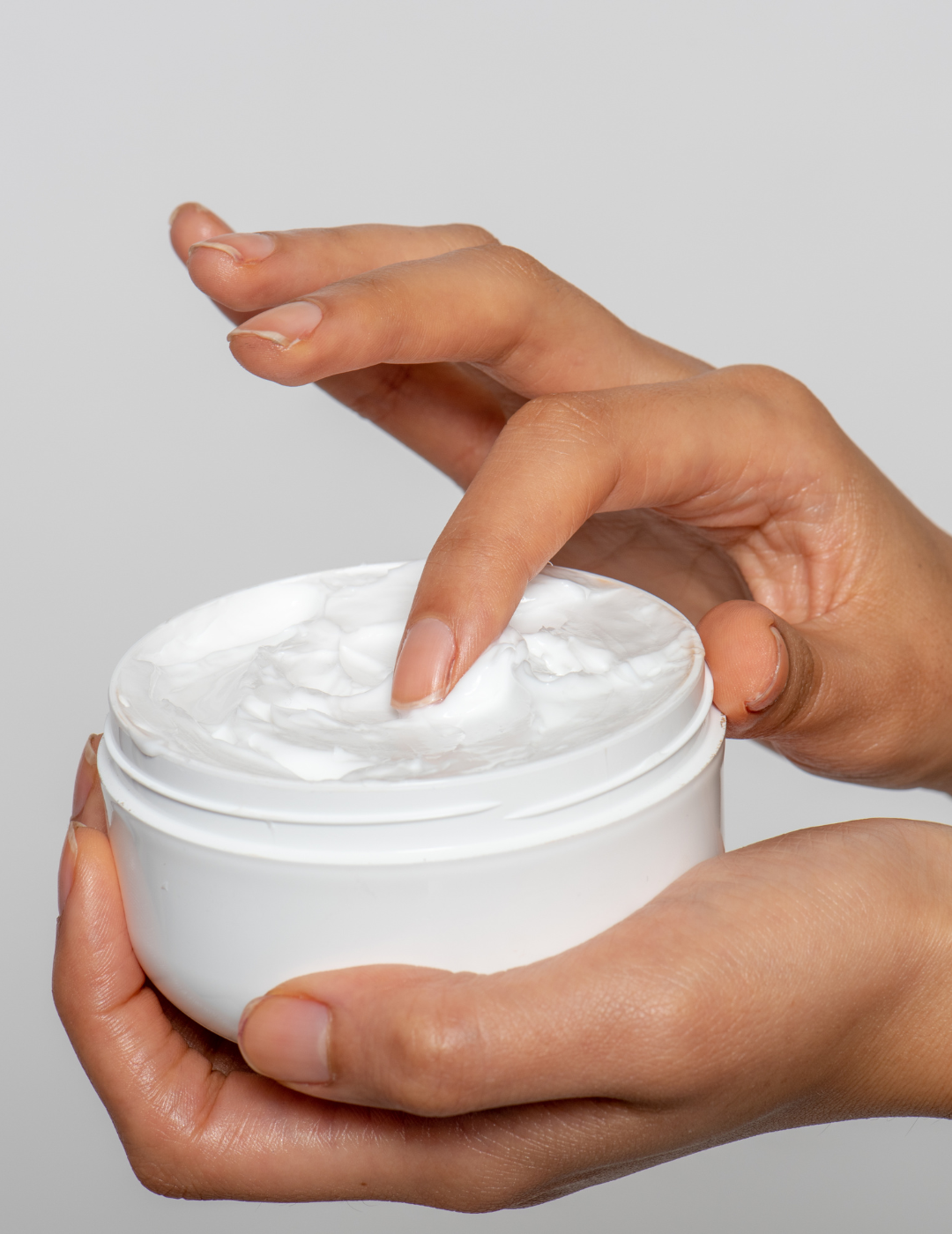
Your genetic makeup and autoimmune conditions can predispose you to dry skin. Genes affect skin structure and function, often evident in family-linked conditions like Atopic Dermatitis (Eczema).
Autoimmune disorders manifest skin-related symptoms, such as Sjögren's Syndrome, Systemic Lupus Erythematosus (SLE), and Psoriasis.
Certain medications, like statins, diuretics, antidepressants, nasal decongestants, chemotherapy drugs, beta-blockers, and hormonal birth control, can cause dry skin. If medication-induced dryness concerns you, consult your doctor for advice. Stopping medication without professional guidance is not advised, but there are treatments to manage skin dryness effectively.
Expert Care for Dry Skin
Dermatologists diagnose dry skin through clinical evaluation, patient history, and additional testing if needed. We assess skin appearance, texture, and elasticity. We'll ask about your personal and family skin history, bathing habits, diet, medications, and irritant exposure. A tailored treatment plan is then developed to address individual skin concerns.
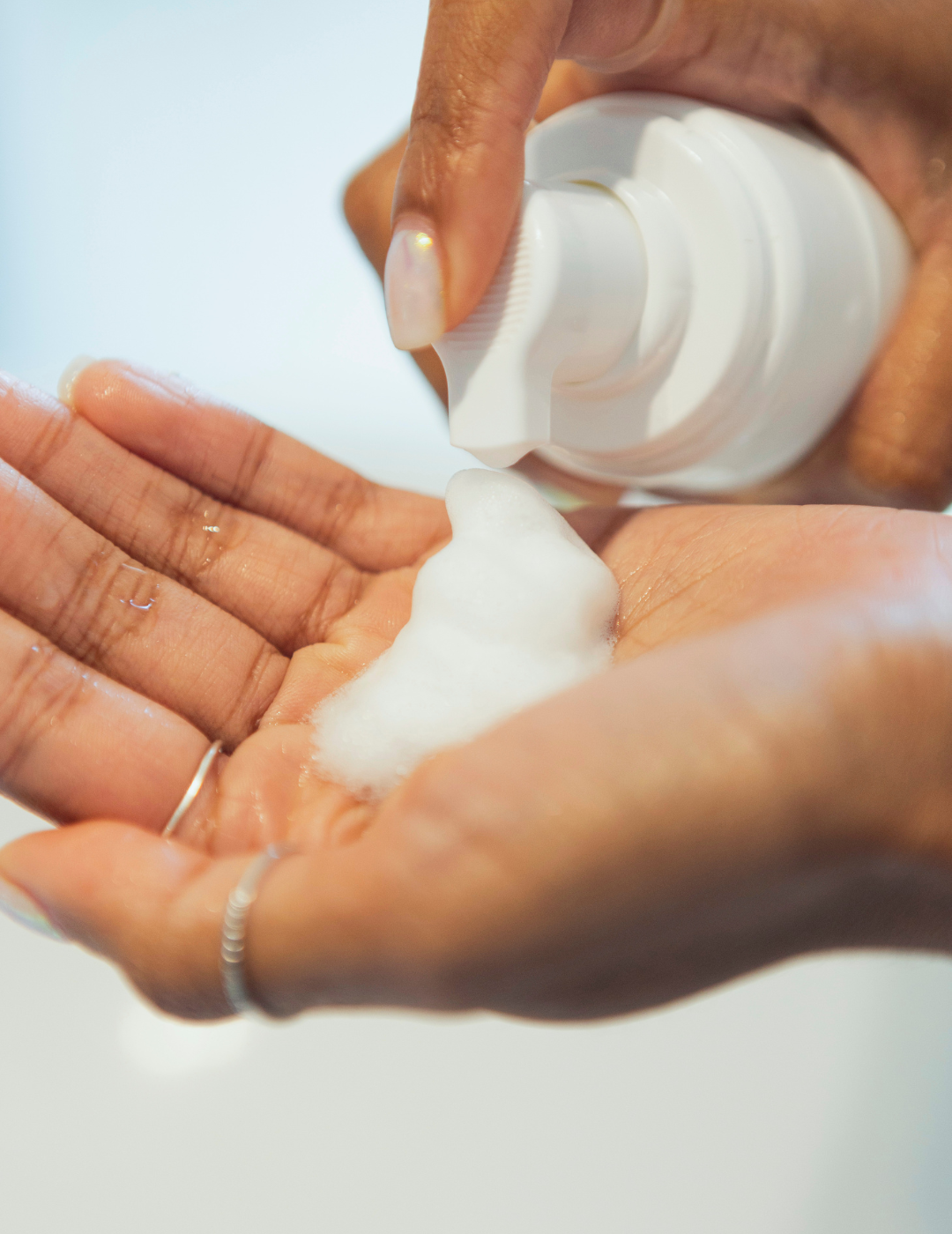
Adopting effective skincare products is pivotal for maintaining healthy skin, particularly in challenging weather conditions. Products based on hyaluronic acid, such as Neutrogena Hydroboost, are highly recommended for their hydrating properties. Ingredients like ceramides and peptides in products like Vanicream reinforce the skin's natural barrier and improve texture.
Beyond at-home skincare, cosmetic dermatology procedures offer advanced solutions. Professional treatments like chemical peels exfoliate, remove buildup, and enhance the skin's ability to absorb these beneficial products.
Combining these skincare products and professional procedures can significantly improve skin health, offering a comprehensive approach to tackling the challenges of different weather conditions.
Cosmetic Dermatology at UR Medicine
UR Medicine's Cosmetic Dermatology team will discuss your goals with you and then help you choose the best treatment options. Since your care will be provided by an actual dermatologist, we can offer more options to better fit your unique needs.