Toxicology PhD Program
 The Rochester Toxicology Program provides state-of-the-art graduate and postdoctoral training in the environmental health sciences and toxicology. Our mission is to educate and train the next generation of talented, independent toxicologists and environmental health scientists who are able to conduct innovative research and transform their research findings into information, resources, and tools that will be used by public health and medical professionals, as well as the public, to improve overall human health and well-being.
Read A Welcome Message from the Directors »
A Top 5 Toxicology Graduate Program
Our program is one of the oldest (running for 50+ years) and strongest research-oriented toxicology programs in the nation. We are ranked among the top 5 toxicology graduate programs in the USA, according to the National Academy of Science’s NRC Assessment of Graduate Education.
This program is housed within the Department of Environmental Medicine, but our focus is multidisciplinary and interdisciplinary. As such, faculty mentors come from over 10 different basic science and clinical departments.
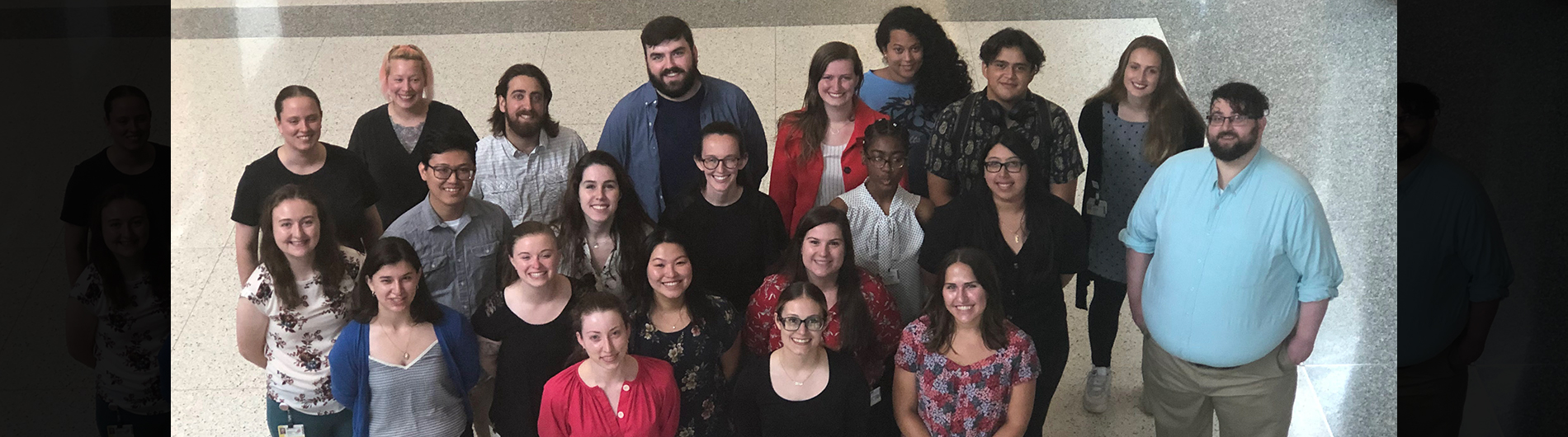
Trainees who come to Rochester are able to work with a team of dedicated faculty, who are internationally recognized, well-funded, and deeply committed to education and mentoring students and postdoctoral fellows. Faculty research programs span the entire spectrum of toxicology, from molecular mechanisms and cellular processes to whole organisms and human populations.
Our program alumni have assumed significant leadership positions in academia, government, industry and other occupations related to toxicology, environmental health and public policy, and are making important contributions to research and education in these fields.
Lifelong learners. Rooted in mentorship. Shaped by Rochester.
Elizabeth Plunk ’25M (PhD), and her mentor, Ania Majewska, PhD, a professor of neuroscience here at SMD. Their conversation highlights the collaborative, student-centered environment of the Majewska Lab, where mentorship is about mutual learning, open dialogue, and celebrating curiosity.
Our Program By The Numbers
33
35
150
+
190
+

Team Science Showcase: The People and Partnerships Moving Microplastics Research Forward
Public concern about microplastics and human health is growing. Learn how University of Rochester scientists and community partners are advancing research through interdisciplinary teams and innovative collaborations.
Read the full story →
What Sets Us Apart

Our students most commonly reference the personal relationships and valuable mentoring they receive as one of the top reasons why they would recommend URMC
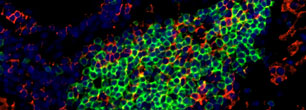
We support and guide trainees in several areas of research. Browse our Research by current program trainees
Learn more about the core courses, electives, and lab rotations that will be part of the toxicology curriculum
What Our Students Say...

"My lab is interested in understanding how the environment can affect the way the immune system responds. We study this through the aryl hydrocarbon receptor, which acts as an environmental sensor. My project is focused on studying how environmental ligands, mediated through the aryl hydrocarbon receptor, can affect the response of the hematopoietic stem and progenitor cells to viral infections."
Hometown: Howard, PA
Education Background:
- B.S. in Biochemistry from Susquehanna University
- M.S. in Toxicology from University of Rochester School of Medicine and Dentistry
Research Group: Lawrence Lab
Upcoming Events
Latest News
Support the Toxicology Student Professional Development Fund
Toxicology Training Program Retreat Keynote Address: "From Molecules to Mechanisms: Decoding Chemical Bioactivity Using Zebrafish"
Robyn Tanguay, PhD
University Distinguished Professor, Department of Environmental and Molecular Toxicology, Director of Superfund Research Program, Director of Sinnhuber Aquatic Research Laboratory, Oregon State University
Thu, May 28 @ 11:00 AM
SMD | Large Auditorium (2.6424)
Connect With Us On Social Media


opens in new window