

News
Bringing Autism Evaluations Directly to Rochester Schools
Monday, November 16, 2026
As reported by WXXI News, a University of Rochester Medicine initiative brought autism evaluations directly into the Rochester City School District, dramatically reducing wait times for families who might otherwise face appointment delays of up to a year. The EACH (Every Child's Access to Care and Health) Youth Initiative, funded through the American Rescue Plan Act, completed 32 evaluations at Mary McLeod Bethune School No. 45 over three months, with some children seen within a week of referral. According to Lynn Cole, D.N.P., R.N., director of clinical services and associate division chief of Developmental and Behavioral Pediatrics, the school-based approach helped remove barriers for underserved families and made evaluations more easily accessible. Although the grant funding ended in October, Dr. Cole and her team are exploring ways to secure additional support and bring the program to more schools. Read or listen to the full WXXI News story about the autism evaluation program.
Rochester Teen Writes Children’s Book to Help Kids Understand Autism
Thursday, October 29, 2026
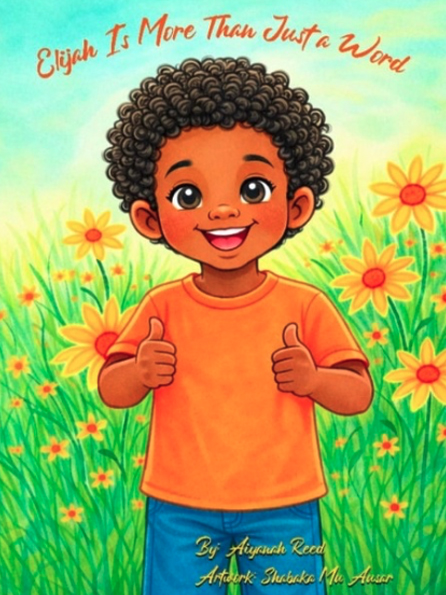 Rochester high school student Aiyanah Reed turned her senior capstone project about her own family’s experience into a children’s book titled Elijah is More Than Just a Word. Inspired by her 5-year-old cousin, who is autistic, the book highlights Elijah’s daily routines and behaviors to help children better understand autism. Caroline Bamburoski, a nurse practitioner at Golisano Children’s Developmental and Behavioral Pediatrics, says the book is a valuable resource for families navigating an autism diagnosis, helping them understand what it may mean for their child while promoting a message of acceptance, understanding, and inclusion. Watch the full story on WHEC about Rochester student's book promoting autism awareness.
Study Finds Spoken Language Progress in Many Autistic Children
Tuesday, January 27, 2026
The study, "Proportion and Profile of Autistic Children Not Acquiring Spoken Language Despite Receiving Evidence-Based Early Interventions," published in the Journal of Clinical Child & Adolescent Psychology and reported in PsyPost found that approximately two-thirds (67%) of the 293 children who were non-speaking at the start of evidence-based early interventions were using single words or more advanced spoken language by the end of the intervention, while about one-third remained non-speaking. The study, led by Drexel University’s Giacomo Vivanti, Ph.D., examined spoken language development in 707 autistic preschoolers who received therapy to help with communication and other developmental skills. The international research team—including DBP’s Lynne Levato, Ph.D., Suzannah Iadarola, Ph.D., and the late Tristram Smith, Ph.D.—found that those children who did not progress to spoken language tended to have lower scores in cognitive, social, adaptive, and motor imitation skills to start with. Further research is needed, particularly to identify ways to better support children who do not make progress in spoken language, including augmenting existing interventions with a more intensive focus on prelinguistic skills.