Do Juice Cleanses Detox the Body? What Nutrition Experts Want You to Know
Key Takeaways
- Juice cleanses do not detox your body. Your liver, kidneys, digestive system, and other organs naturally remove waste.
- Most weight lost during a juice cleanse is temporary and is often regained after returning to normal eating habits.
- Whole fruits and vegetables are healthier than juice alone.
- Staying hydrated, eating whole foods, exercising regularly, and getting enough sleep are the best ways to support your body's natural detox system.
Juice cleanses have become a popular trend for those hoping to lose weight, "reset" their eating habits, or remove toxins from the body. But can a juice cleanse actually detox your body?
What is a Juice Cleanse?
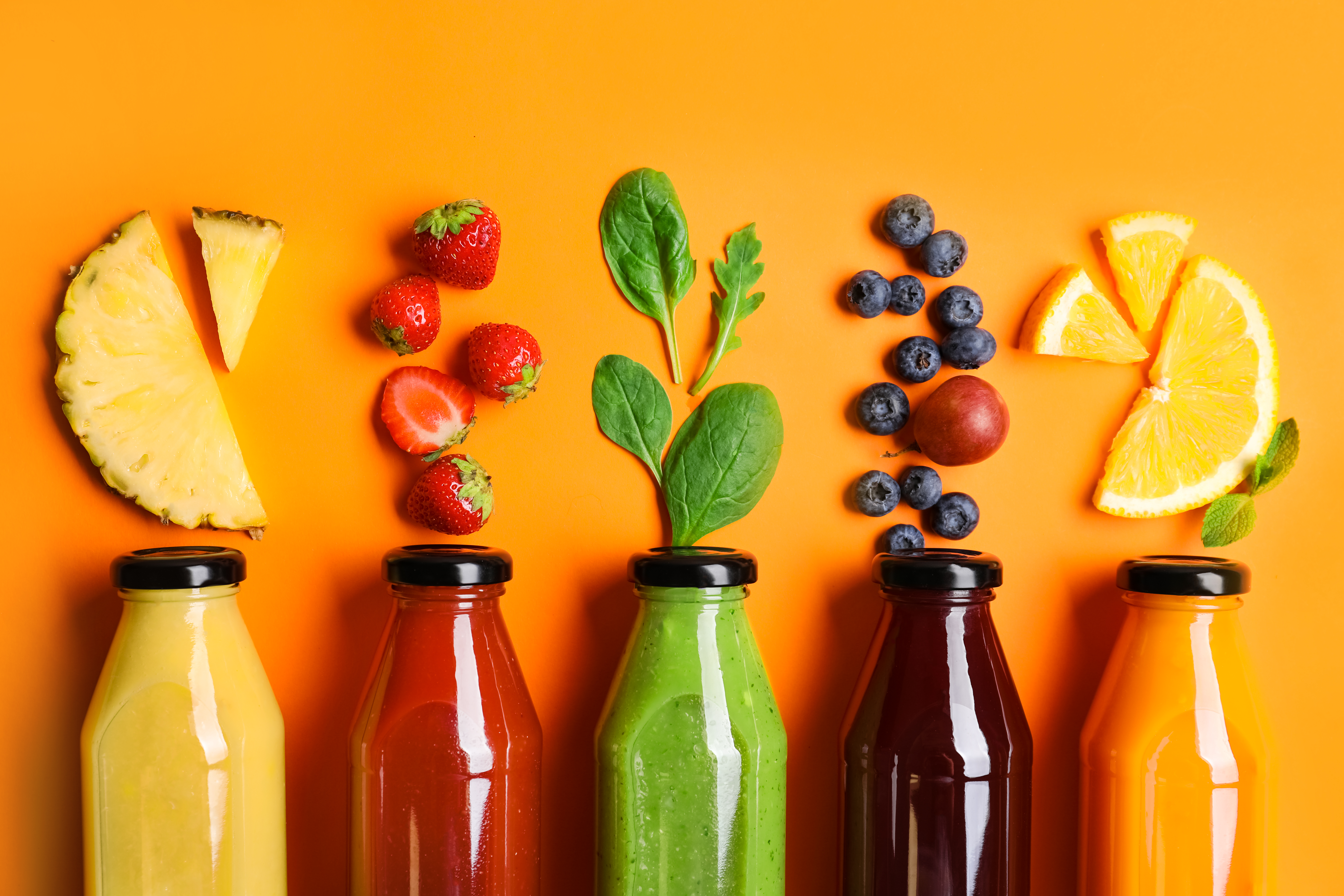
A juice cleanse is a liquid-only diet that can last from a day to a week. It involves consuming only juices or homemade concoctions with water, lemon, and added spices. Juice cleanses are often practiced with the hope of weight loss or clearing toxins from the body.
Do Juice Cleanses Detox the Body?
No. Your body already has a detox system. Your liver, kidneys, digestive system, lungs, and skin continuously remove waste products without the need for a juice cleanse or detox diet. The best way to support those organs is to eat a balanced diet, stay hydrated, exercise regularly, and limit excessive alcohol and added sugars.
The liver and kidneys remove toxins and waste. If we were holding onto toxins, we wouldn't be alive."
Are Juice Cleanses Good for You?
No. A juice cleanse generally does more harm than good to the body.
The low-calorie nature of juice cleanses can lead to:
- Extreme hunger
- Headaches
- Discomfort
- Fatigue
- Light-headedness
- Irritability
- Overeating when the cleanse is over
- Fainting
- Changes in vision
“Juicing fruits and vegetables removes the fiber, so we miss out on its benefits, like helping to regulate blood sugar, manage cholesterol, and support gut health,” says Moran.
Juices also lack other nutrients like protein, whole grains, and heart-healthy fats. The high sugar content in juices can quickly spike blood sugar levels, which makes them especially risky for those monitoring their blood sugar.
Other risks include:
- Electrolyte imbalances
- Low blood pressure
- Low blood sugar (hypoglycemia)
However, for those who have trouble getting a variety of vitamins, minerals, and phytonutrients into their diets on a regular basis, Moran suggests incorporating juices. “Because the juices are raw, the vitamins are retained,” she says.
Nutrients in juice include antioxidants, which are crucial for supporting our immune systems and protecting against chronic conditions like cancer and heart disease. Additionally, juices can increase hydration, which improves digestion.
Can Juice Cleanses Help Me Lose Weight?
One common misconception is that juice cleanses are a quick fix for weight loss. While you may notice an initial drop on the scale during a juice cleanse, much of that loss comes from water and stored carbohydrates, not body fat. Most people regain the weight after returning to their regular eating habits.
Can a Juice Cleanse Reduce Inflammation?
There is no strong evidence that a juice cleanse reduces inflammation or "resets" the body. Eating whole fruits and vegetables provide fiber, protein, and other nutrients that juices alone cannot.
What Should I Do Instead of a Juice Cleanse?
If you’re looking to lose weight, focus on maintaining a lower-calorie, higher-nutrient diet and staying hydrated. Be sure you’re eating well-balanced meals that include:
- Whole grains
- Whole fruits
- Whole vegetables
- Lean proteins
Personalized nutrition counseling to perform your best.
Learn more about University of Rochester Medicine Fitness Science programs.
Visit the Center for Community Health & Prevention for additional services.
Connect with us!