
Water Safety Tips: Preventing Injury in the Finger Lakes
Key Takeaways
- Concussions are among the most common lake-related injuries seen by sports medicine specialists.
- Wearing life jackets, supervising swimmers, and avoiding alcohol can help prevent serious accidents on the water.
- Safe boating practices—including speed limits and spotters for water sports—reduce the risk of injury. Take a boating safety course.
- Weather conditions, water temperature, and hidden objects like zebra mussels can create unexpected hazards.
Living among the 11 gorgeous Finger Lakes brings access to endless fun. But summertime play—from boating and jet-skiing to tubing and swimming—also brings risks and a rise in injuries.
Drs. Katherine Rizzone and Peter Obourn, URochester Medicine board-certified sports medicine physicians, offer tips to help you avoid common lake-related injuries.
What Are the Most Common Lake Injuries?
"Concussions caused by head trauma are the most frequent injury we see," said Dr. Obourn.
Finger Lakes Safety Checklist
- Wear a properly fitted life jacket.
- Designate a sober boat operator.
- Check the weather before heading out.
- Stay hydrated and use sunscreen.
- Watch children closely near the water.
- Wear water shoes.
- Have a first-aid kit available.
The URochester Medicine Orthopaedic Urgent Care in Canandaigua team treats hundreds of lake-related injuries every year.
Boating accidents and extreme water sports are the most common causes.
The team treats many other problems, like:
- hamstring injuries
- shoulder dislocations
- wrist fractures
Preventing Lake-Related Injuries
To prevent common water sports-related injuries, Dr. Rizzone recommends the following:
- Take a boating safety course: Before operating a jet ski or any boat, take a boating safety course. In fact, New York state requires a safety course for jet ski operators.
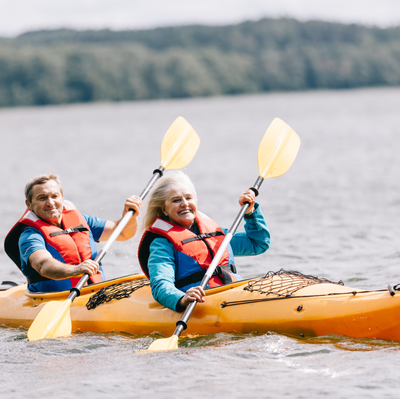
- Always wear a life jacket. It's a non-negotiable. Properly fitted life jackets can save the lives of children and adults.
- Use a spotter during water sports: Keep someone on watch when towing skiers, tubers, or wakeboarders. When tubing, only one rider should be on a tube.
- Drive at safe speeds: When operating a boat or jet ski, follow posted speed limits and drive responsibly to prevent accidents.
- Stay sober on the water: Alcohol and other substances can impair judgment, coordination, and reaction time.

Stay Safe This Summer
Explore our Summer Health and Safety Guide for expert tips on heat, hydration, bug bites, sun protection, water safety, and when to seek care.
Summer Health Tips
More Lake Safety Tips
Here are several key safety tips from Dr. Rizzone that should never be overlooked when enjoying the Finger Lakes.
Supervise Swimmers Closely
Be mindful of the swimming abilities of all individuals, especially children. Supervision and life jackets are essential to prevent drownings. Accidents can happen unexpectedly, so life preservers and a watchful eye can save lives.
Watch the Weather
Pay Attention to Water Temperature
Be cautious of the water temperature, especially if you have kids or people with medical conditions like diabetes that can affect temperature sensitivity. Hypothermia can set in quickly in cold water.
Watch for Hidden Hazards
Wear water shoes and pay attention to foreign objects in the water, such as water chestnuts and zebra mussels, which can cause injuries if stepped on.
Orthopaedic Urgent Care
Seek emergency care immediately for head injuries, loss of consciousness, difficulty breathing, suspected drowning, or severe bleeding.
If you are experiencing an orthopaedic injury and need medical assistance, URochester Medicine Orthopaedic Urgent Care in Canandaigua is here for you.
Connect with us!