

Prebiotics vs. Probiotics: What’s the Difference and Do You Need Both?
Key Takeaways
- Prebiotics are types of fiber that feed beneficial bacteria in your gut.
- Probiotics are live microorganisms that help maintain a healthy balance of gut bacteria.
- Many healthy foods naturally contain prebiotics, probiotics, or both.
- Most people can support gut health through a balanced diet rather than supplements.
- Prebiotic sodas may provide some fiber, but they shouldn’t replace whole-food sources of nutrition.
Prebiotic sodas are growing in popularity. But do you need to stock your fridge with these “functional” beverages, or does your diet already have what you need? What roles do prebiotics and probiotics have in our digestive system? Elizabeth Eisnor, RD, a registered dietitian at University of Rochester Medicine’s Center for Community Health & Prevention, weighs in.
What Are Prebiotics?
Prebiotics are compounds that are not fully digested, feeding the beneficial or “good” bacteria in our bodies. Some sources of fiber contain prebiotics, and fiber plays a huge role in our digestive health. It helps stool move through the body and contributes to the strength of our gut lining.
Prebiotics are being studied for several reasons related to digestive and metabolic health, including their potential benefits in:
- Immune system support
- Decreasing inflammation
- Reducing colorectal cancer risk
- Supporting remission from irritable bowel disease (IBS)
What Foods Have Prebiotics?
Many foods are rich in prebiotics, such as:
- Slightly under-ripe bananas
- Onions
- Garlic
- Apples
- Tomatoes
- Oats
What Are Probiotics?
Probiotics are living organisms (healthy bacteria) that keep a gut microbiome—an ecosystem of trillions of bacteria—balanced.
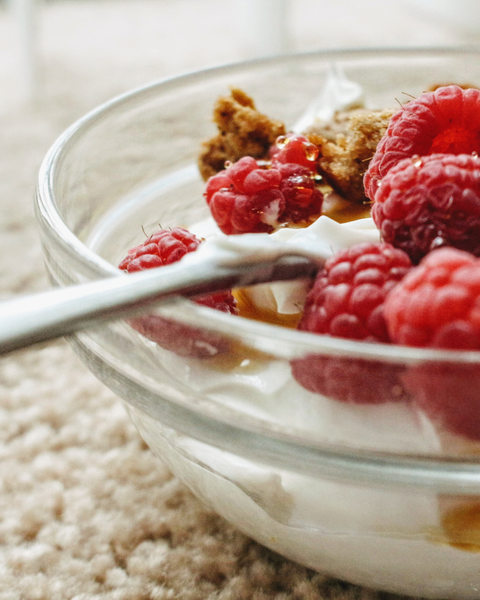
Current research shows that probiotics:
- Fight bad bacteria
- Strengthen the lining of your gut
- Support the gut's immune system
- Produce neurotransmitters that send signals back and forth between the gut and brain
Healthcare clinicians may recommend Probiotics by a healthcare provider after a single course or multiple courses of antibiotics, gastrointestinal illness, or any time the gut microbiome has been significantly altered.
What Foods Have Probiotics?
Some foods are rich in probiotics, such as:
- Yogurt
- Kefir
- Miso
- Kimchi
- Sauerkraut
- Tempeh
What’s the Difference Between Prebiotics and Probiotics?
Prebiotics | Probiotics |
Not living organisms | Living microorganisms |
Usually found in fiber-rich foods | Found in fermented foods and some supplements |
| Feed healthy gut bacteria | Add beneficial bacteria to the gut |
Do You Need Both Prebiotics and Probiotics?
Yes. Prebiotics support probiotics, and we want both included in our diet.
In most cases, eating a healthy variety of foods gives our bodies the necessary amount of prebiotics and probiotics. However, people with inflammatory bowel conditions such as IBS or Crohn’s disease, food intolerances, or other gastrointestinal conditions may benefit from consulting with their healthcare provider and a registered dietitian for individualized care.
What About Prebiotic Sodas?

Prebiotic sodas contain dietary fibers, such as inulin. Inulin, a fiber found naturally in many plant foods, helps with bowel regularity. But too much (especially from artificial sources) can lead to uncomfortable GI symptoms such as gas, cramping, or bloating. These can also be side effects of drinking carbonated beverages.
Compared with traditional soda, prebiotic sodas are typically much lower in added sugar (usually less than 5 grams per can). If you’re not used to having a lot of fiber in your diet, adding prebiotic soda can cause GI symptoms.
Whole-food sources of fiber are generally better than prebiotic sodas. Whole foods include vitamins and minerals and leave you more full and satisfied, typically with less or no added sugar.
The Best Ways to Support Gut Health
- Eat a variety of fruits and vegetables
- Choose whole grains and fiber-rich foods
- Include fermented foods when appropriate
- Stay hydrated
- Exercise regularly
- Talk with your healthcare expert before starting supplements
Gut Health Support at University of Rochester Medicine
Whether you’re dealing with digestive symptoms or simply want to improve your overall health, University of Rochester Medicine specialists can help you understand how nutrition, lifestyle, and gut health work together.Connect with us!





Author
