

25 Years Later, Studying the Health Effects of 9/11
The September 11, 2001, World Trade Center (WTC) disaster created unprecedented environmental and public health challenges. In the immediate aftermath of the attack, first responders, workers, and Lower Manhattan residents were exposed to a complex mixture of dust, smoke, and debris from the collapsed buildings and fires. Over the past quarter-century, University of Rochester Medicine has contributed to efforts to understand and address those risks through environmental health research, community education, and long-term occupational health care.
“The World Trade Center research is part of a long legacy of environmental health research at URochester, where scientists have worked for decades to understand how environmental exposures—including air pollution and other airborne toxicants—affect human health,” says Paige Lawrence, PhD, chair of the Department of Environmental Medicine and Public Health Sciences. “One of the challenges in environmental health is that the effects of an exposure are not always immediate or straightforward. This is a powerful example of why sustaining research matters and how environmental health research connects laboratory science, population health, clinical care, and community needs.”
Seeking Answers in the Aftermath
In the months following 9/11, researchers in the URochester Medicine Environmental Health Sciences Center—including Günter Oberdörster, PhD, Jacob (Jack) Finkelstein, PhD, and Mark Utell, MD—worked with colleagues at New York University and elsewhere to investigate the potential health effects of WTC dust.
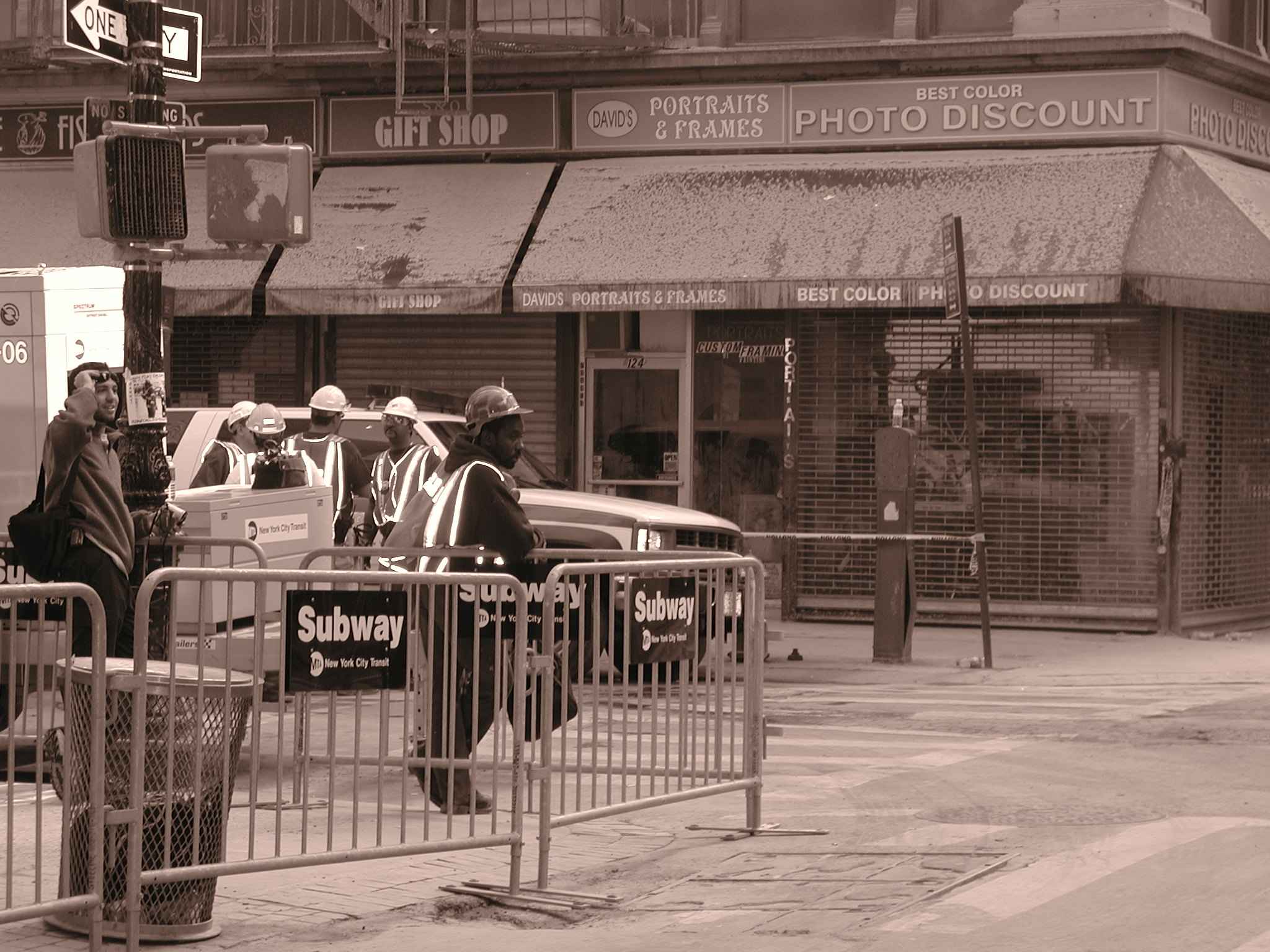
Supported by the National Institute of Environmental Health Sciences, the researchers analyzed dust collected from apartment buildings, parked cars, and streets in Lower Manhattan. They characterized the dust’s chemical, physical, and microscopic properties and studied its effects on lung cells, including whether exposure could trigger changes associated with inflammation or increased susceptibility to respiratory infections.
A More Complete Picture Emerges
The early research took place amid considerable uncertainty about the environmental conditions in Lower Manhattan. The collapse of the buildings, fires, massive quantities of pulverized building materials, and prolonged rescue and recovery efforts created a complex and changing exposure environment.
While initial studies were unclear about the immediate health risk, subsequent research has shown that WTC dust and smoke were complex mixtures containing potentially hazardous substances, and that the intensity and duration of exposure were important factors in determining health risks.
Over the ensuing decades, studies of responders and survivors have documented persistent respiratory disease, mental health conditions, and numerous cancers associated with 9/11 exposure. Ongoing research continues to examine the health effects among populations that received less attention in the immediate aftermath, including Lower Manhattan residents and children.
Newly released records have also provided additional insight into environmental conditions following the attacks, including evidence that asbestos and other contaminants persisted in some areas.
A Continuing Commitment to Responders
Through Finger Lakes Occupational Health Services (FLOHS), URochester Medicine became part of a nationwide network providing medical evaluation, monitoring, and treatment to WTC responders living in the Finger Lakes and Western New York. FLOHS is part of the New York State Occupational Health Network and is based in the Department of Environmental Medicine and Public Health Sciences.
Established by the James Zadroga 9/11 Health and Compensation Act in 2011, the federal World Trade Center Health Program provides eligible responders and survivors with medical monitoring, screening, and treatment for conditions, including respiratory diseases such as asthma, COPD, and sleep apnea, mental health conditions, and more than 50 types of cancer.
Today, FLOHS, led by Cristina Demian, MD, remains affiliated with the program’s Nationwide Provider Network, providing annual medical surveillance, clinical referrals to specialists, and education about occupational and environmental exposures to WTC responders in the region. Those receiving services include firefighters, state troopers, Red Cross volunteers, and others who participated in rescue and recovery efforts.
A Legacy That Endures
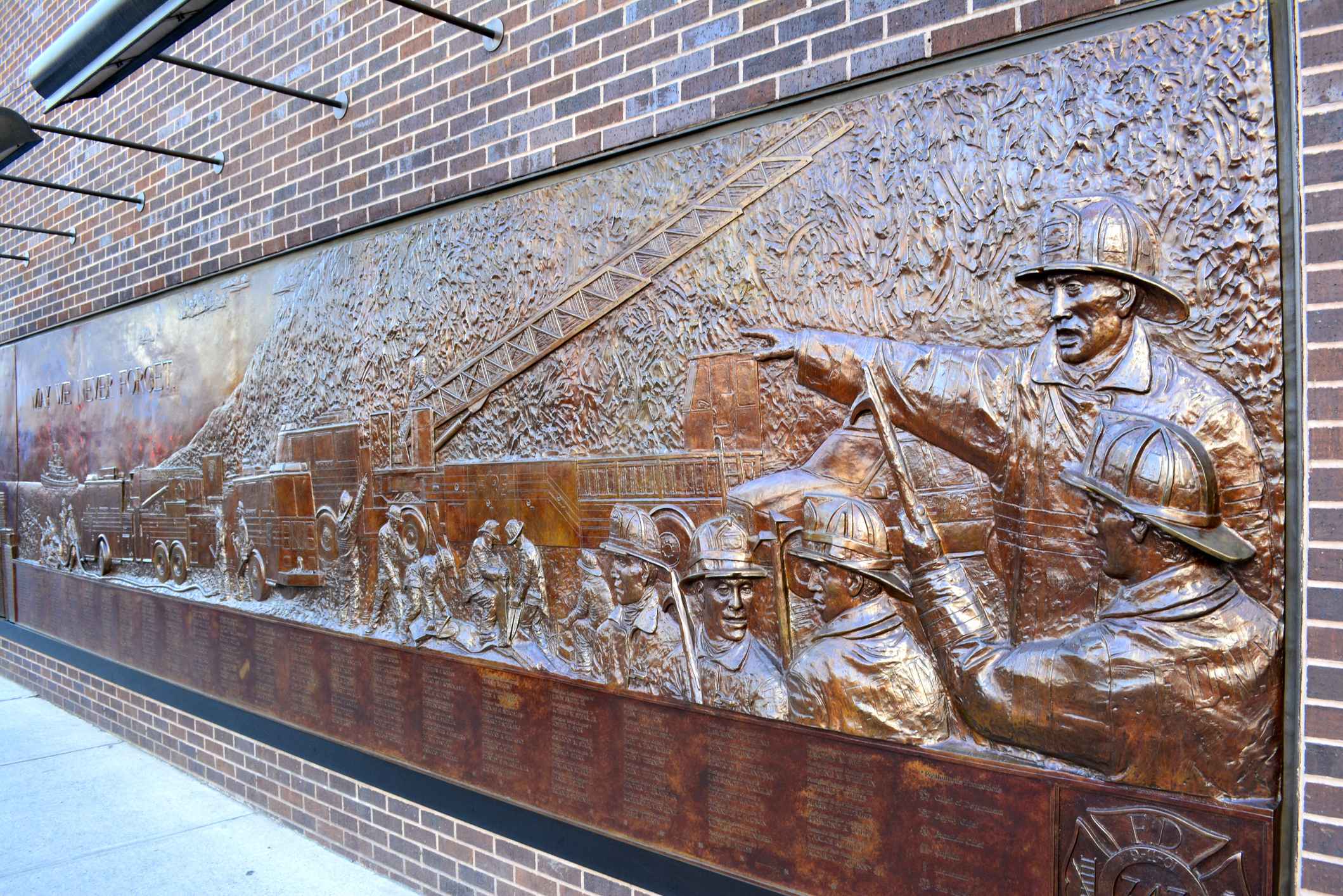
URochester’s involvement in the aftermath of 9/11 represents a continuum of research, community education, occupational medicine, and clinical care. What began with efforts to characterize an unfamiliar environmental exposure has evolved into decades of monitoring and treatment for people whose health may have been affected by the disaster.
The work reflects a longstanding commitment to understanding how environmental exposures affect human health. From pioneering environmental toxicology research to studies of air pollution and other emerging environmental threats, URochester Medicine researchers have sought to understand not only what people are exposed to, but how those exposures can affect health over time.
The lessons of 9/11 reinforce the importance of that work. Environmental health questions rarely have simple or immediate answers. Understanding the health consequences of complex exposures can require decades of research, population monitoring, clinical care, and engagement with affected communities. That commitment—to understanding environmental risks and protecting people and places—remains central to the department’s mission.
Author
