

A Single Mission: Protecting People and Places—Introducing Environmental Medicine and Public Health Sciences
University of Rochester Medicine has announced the formation of the Department of Environmental Medicine and Public Health Sciences, which unites biomedical toxicology and population-level environmental and public health expertise to accelerate discoveries into policy, clinical practice, and community action.
The new department, officially approved by the University of Rochester Board of Trustees in February 2026, will be led by B. Paige Lawrence, PhD, current chair of Environmental Medicine. Ann Dozier, PhD, chair of the Department of Public Health Sciences, recently retired from URochester Medicine.
“The new Department of Environmental Medicine and Public Health Sciences brings together decades of scientific discovery and community-centered public-health practice,” said David Linehan, MD, CEO of the University of Rochester Medical Center and Dean of the School of Medicine and Dentistry. “By linking molecular and toxicological insight with population science and policy, we can move faster from discovery to action—reducing exposures, improving health equity, and shaping policies that protect people and improve health.”
“We are merging because today’s public-health challenges require both deep mechanistic science and rigorous population approaches,” said Lawrence. “Bringing together environmental toxicology, epidemiology, health-services research, and policy work will create faster pathways from laboratory discovery to population interventions, health-system change, and policy implementation—while expanding interdisciplinary training for students at every level.”
Structured to accelerate discovery and impact
The new Department of Environment Medicine and Public Health Sciences will be organized around three focused research sections—Population Health, Toxicology, and Translational Science and Policy.
For faculty and staff, the merger opens clearer pathways for interdisciplinary collaboration: shared core facilities, coordinated pilot programs, and incentives for team-based, policy-engaged proposals that can increase extramural funding and real-world impact.
Students and trainees will benefit from a broader curriculum and richer experiential learning—expanded course offerings across toxicology, epidemiology, policy, and implementation science; more cross-disciplinary mentoring teams; and enhanced access to practicum and translational internships with community partners, health systems, and policy offices that prepare them for applied careers and collaborative research.
From Atomic-Age beginnings to microplastics science
The Department of Environmental Medicine traces its roots to the 1940s Atomic Energy Project, whose Manhattan Project–era studies first established URochester Medicine’s leadership in environmental toxicology. Formally organized as a department in 1992, it grew from decades of interdisciplinary research and training—including the nation’s first toxicology PhD program—and a long record of translating discoveries into public-health action. Pivotal work on lead exposure helped shape CDC policies and local abatement programs, while team-science studies revealed how air pollution, imprinted genes, and other environmental factors influence neurodevelopment, neurodegeneration, and vaccine responses.
The Environmental Health Sciences Center (EHSC), active since 1975 and one of URochester’s longest continuously funded research programs, has been a major driver of this success—building shared research cores, seeding pilot projects that generated over $100 million in follow-on funding, and establishing Rochester as a national model for childhood lead-poisoning prevention.
In recent years, the department has expanded its reach with the Institute for Human Health and the Environment (IHHE), launched in 2023 to coordinate University-wide work on climate, environmental justice, and health across the lifespan. In 2024, it helped found the Lake Ontario MicroPlastics Center (LOMP), a partnership with RIT that studies the environmental fate of microplastics and their human health impacts, translating discoveries into community-based solutions.
Advancing public health through data, policy, and community partnerships
Founded in 1958, the Department of Public Health Sciences built its reputation on community-centered preventive care and rigorous health services research. Early initiatives—from lead screening and storefront clinics to evaluations of managed care—established its deep commitment to improving health and reducing disparities across the region. Faculty now lead investigations spanning behavioral interventions, big data, environmental and global health, maternal-child health, policy, and aging.
The department’s impact is anchored by major programs such as the Nicotine & Tobacco Research Core, which builds on decades of tobacco-cessation research; the PACE Data Analysis Center, which advances quality in long-term care; and international cohorts such as the Seychelles Child Development Study, which inform understanding of environmental exposures. Together, these efforts have translated evidence into practice and policy, informing cessation programs, shaping quality measures, and describing environmental impacts on developmental outcomes.
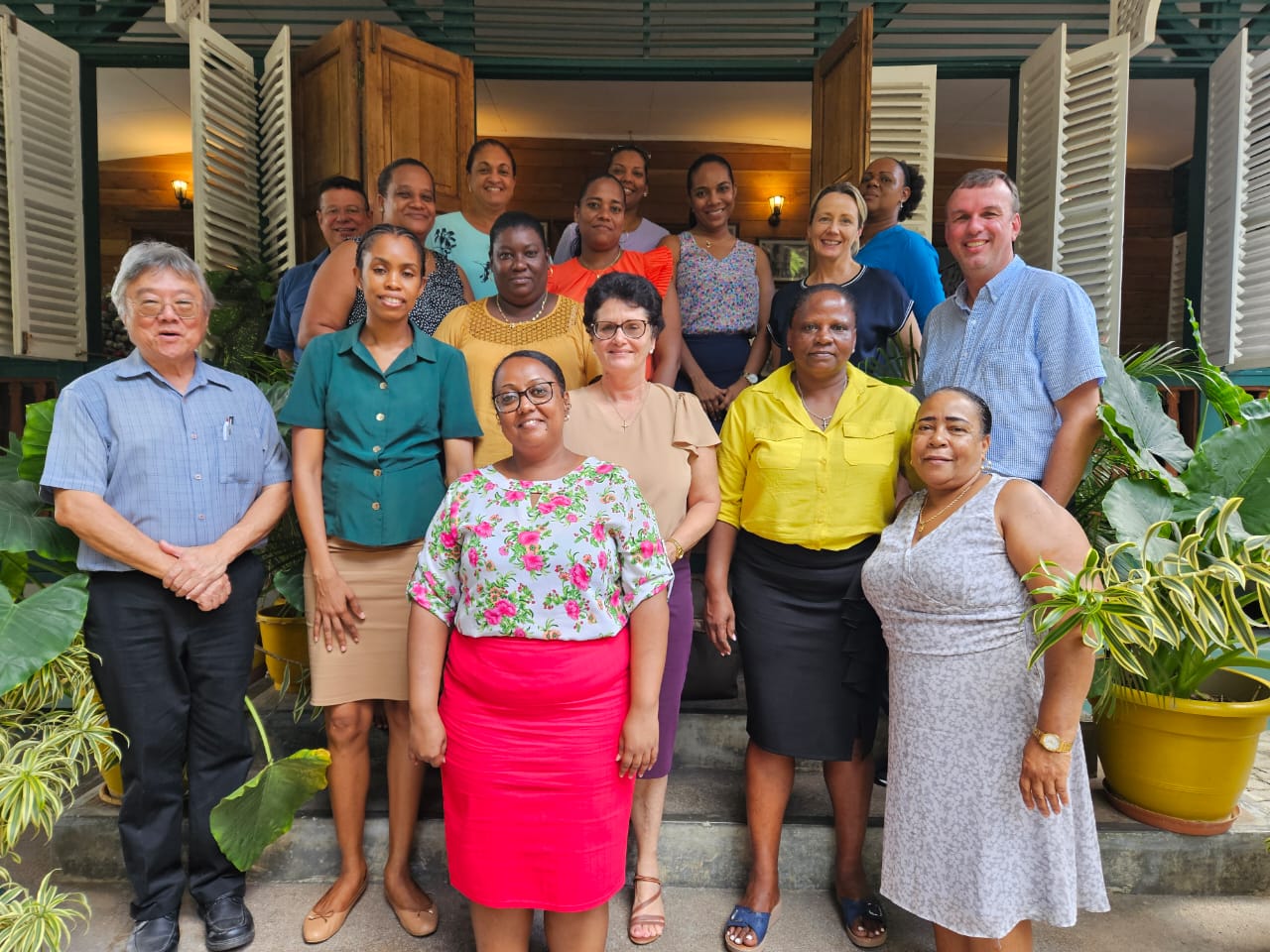
Sustained by strong institutional and community partnerships, robust data infrastructure, and a pipeline of skilled trainees, faculty have leveraged NIH, PCORI, and other federal support to advance science and develop effective interventions for older adults, maternal-child populations, and vulnerable communities. Collaborations with clinical units, regional health systems, and global partners have enabled rigorous evaluations of care innovations, large-scale perinatal data management, and rapid public-health responses, including COVID modeling.
Dozier’s tenure boosts faculty, research capacity, and regional health impact
Dozier has served as chair of the Department of Public Health Sciences since 2014 and retired from URochester Medicine at the end of 2025. A University of Rochester alumna (MS, PhD in Nursing), she brought expertise in health sciences research and hospital administration. Her research emphasized program evaluation, community engagement, and implementation of evidence-based maternal-child health strategies. During her tenure, the department expanded and diversified faculty, tripled research funding, launched certificate and MS programs, introduced evening, hybrid, and the University’s first fully online MPH, strengthened academic partnerships, and enhanced regional community impact.
"Ann's visionary stewardship helped transform Public Health Sciences,” said Linehan. “Her commitment to translating evidence into practice, strengthening research infrastructure, and building durable community partnerships has positioned the department for continued national leadership. We are deeply grateful to Ann for her scholarship, service, and steadfast advocacy, which have benefited students, faculty, and community partners.”
Author
