
What Does It Feel Like to Have an Ostomy Bag?
Key Takeaways
- An ostomy allows waste to leave the body through an opening in the abdomen. People with an ileostomy or colostomy use an ostomy bag to collect waste.
- Living with an ostomy bag takes some adjustment. Learning how to empty and change your pouch, care for your skin, and adjust your diet can help prevent complications.
- Most people with an ostomy can continue their usual activities. With some lifestyle adjustments and support, you can return to activities like exercising, swimming, and traveling.
Living with an ostomy bag can take some adjustment, and it's normal to have questions about what everyday life might look like after surgery.
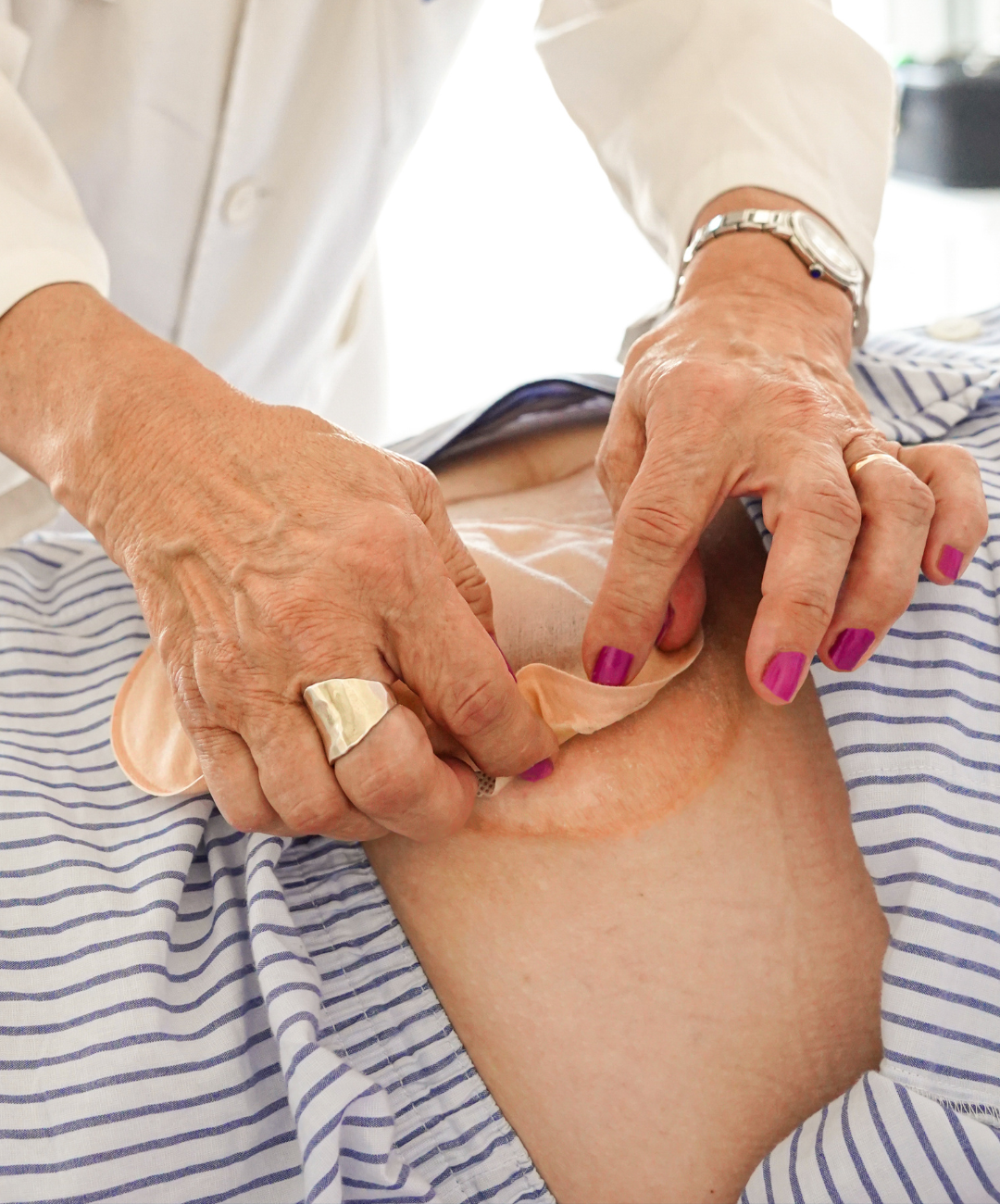
An ostomy is a surgical procedure creating an opening, or "stoma," on the abdomen to allow waste to exit the body. This may be necessary for people with conditions like Crohn's disease, ulcerative colitis, or colorectal cancer.
Although an ostomy requires some changes to your daily routine, it doesn't have to keep you from doing the things you enjoy.
URochester Medicine's expert ostomy care team shares what to expect when living with an ostomy bag and how to recognize that you might need additional support
What is An Ostomy Bag?
An ostomy bag (or pouch) is a medical device that collects waste from a stoma. It attaches to the skin around the stoma using a protective barrier that prevents leaks and irritation.
There are two primary types of ostomies: ileostomy and colostomy.
Ileostomy vs. Colostomy: Key Differences
Ileostomy
An ileostomy is created by connecting the small intestine to the outside of the body to release waste. Waste is liquid or pasty because it bypasses the colon.
Colostomy
A colostomy is formed from the large intestine (colon). The waste is generally more solid, but it can vary depending on the colostomy's location.
Those with an ileostomy need to focus more on hydration and watch for foods that may cause blockage due to the smaller intestinal diameter.
Both procedures can be either temporary or permanent, depending on the underlying condition and surgery.
What to Expect After Ostomy Surgery
Life after an ostomy surgery, such as ileostomy or colostomy, involves adapting to an ostomy bag for waste collection. This often brings many questions:
- Can I still do my usual activities?
- What foods should I avoid?
- How often do I need to change or empty my bag?
While initial adaptation might be challenging, people with ostomies can typically engage in most activities, including swimming and exercise, by making small lifestyle changes.
Living with an Ostomy Bag
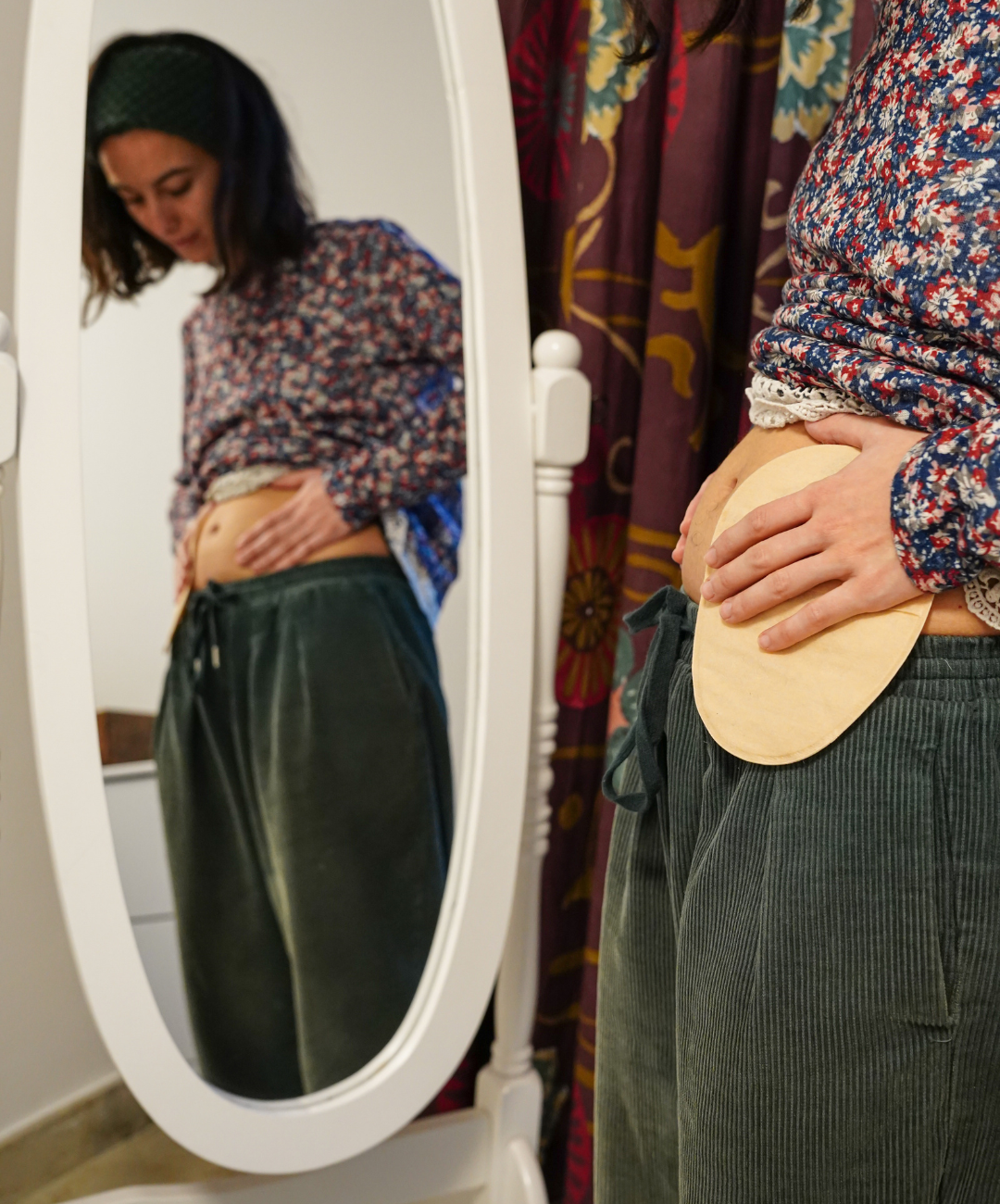
Ostomy bags come in various designs, including options with odor barriers and comfortable closures to reduce leakage risks.
Daily life adjustments include skin care since the area around the stoma (peristomal skin) requires gentle handling to prevent irritation. Some people use ostomy bag covers for discretion and comfort, especially in social or work settings.
How Often Should You Change or Empty an Ostomy Bag?
To avoid discomfort, bags should be emptied when they are about one-third to one-half full.
How often you change your pouching system depends on the type of bag and your individual needs. Your ostomy care team can help you establish a routine.
Nutrition and Diet Tips
Adjusting to a new diet is a crucial part of recovery, especially after an ileostomy.
Staying hydrated is essential. For the first four to six weeks, it's recommended to eat low-fiber foods to reduce the risk of blockages. Good options include bananas, rice, and applesauce.
After this adjustment period, many patients can gradually reintroduce fiber, but with careful monitoring to avoid adverse reactions. Foods that are difficult to digest, such as nuts or raw vegetables, should be approached cautiously.
Regular mealtimes and hydration remain important for overall health.
Can an Ostomy Be Reversed?
Ostomy reversal is an option for some patients, typically when the underlying condition has improved or healed.
The possibility of reversal depends on individual health, recovery, and the type of ostomy performed. If a reversal is suitable, patients undergo another surgery to reconnect the intestines, allowing waste to exit through the rectum again.
Adjusting to Life After Surgery: Tips for Living Well with an Ostomy
Living with an ostomy bag requires some adjustment, but these changes are manageable. Here are some helpful tips:
- Skin Care: Keep the peristomal skin clean and dry. Properly fitted accessories and the occasional use of stoma powder help prevent irritation.
- Routine Changes: Empty your bag regularly and change the pouching system as advised to avoid leaks.
- Diet and Hydration: Follow an ileostomy diet to prevent blockages, focusing on hydration and stool-thickening foods.
- Support and Care: Many resources, from support groups to ostomy care professionals, are available to answer questions, discuss issues, and provide tips for handling new challenges.
With time, many people find that living with an ostomy becomes an ordinary part of their routine. The key to thriving after ostomy surgery is being informed, patient, and proactive in managing your daily care.
Gastroenterology at URochester Medicine
If you or a loved one is adjusting to life with a G-tube, the gastroenterology experts at URochester Medicine are here to offer support and guidance. Whether you're looking for more information on daily care, managing complications, or simply need reassurance, we're ready to help.
Connect with us!