

When Being Heard Makes All the Difference: A Dentist Who Understood
For patients with Ehler’s Danlos Syndrome (EDS) like Alex, even routine dental care can have extra challenges.
EDS is a group of disorders that affect the body’s connective tissue – tissue that supports the joints, muscles, skin, and other organs. Symptoms can vary widely depending on the type, but common experiences include overly flexible joints, frequent bruising and scarring, slow healing, chronic fatigue, and ongoing joint or muscle pain.
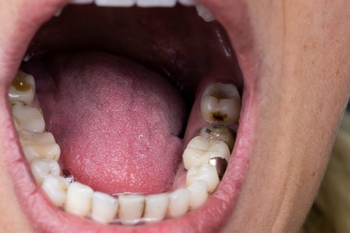
In many cases, EDS also directly affects the teeth or gums.
After wearing braces for four years, Alex remembers his teeth beginning to shift out of alignment within days of having them removed. Even though the braces were soon replaced, the treatment lasted another three years and he now depends on permanent retainers to keep his teeth from moving.
“I’ve had hygienists pull so hard while flossing that the retainers came out of my mouth,” Alex said, noting that his jaw also frequently dislocates, adding even more stress and pain to dental visits. “I get really nervous about treatment for my teeth because I’ve had such bad experiences in the past.”
While EDS is estimated to affect approximately one in 5,000 people, evidence suggests that it is commonly underdiagnosed. It is genetically inherited, but symptoms and severity are unique to each individual.
At just 24 years old, Alex can no longer work and uses a wheelchair due to his worsening symptoms. His brother also has EDS, but on a much milder scale. “He doesn’t really suffer much from it, other than some eye issues and the occasional dislocation,” said Alex. “Whereas I have multiple dislocations a week, migraines, back issues, and other medical conditions that commonly co-occur with EDS.”
Alex is also more prone to cavities because the enamel on his teeth wears down faster than normal. Some rare types of EDS can have even more drastic effects. “One of my former co-workers had to have almost all of his teeth removed because of EDS,” Alex shared. “His teeth literally started to crumble.”
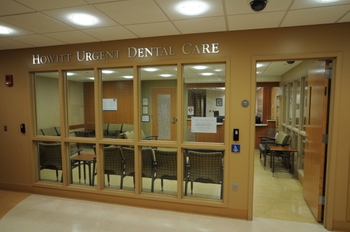
Despite Alex’s increased need for routine dental care, accessing it has been a challenge. “Most dentists don’t take my insurance because I have Medicaid,” he said. “It was a huge barrier.”
Although one other dentist in the area accepted his insurance, Alex didn’t like it there, noting that the care felt rushed and the staff unfriendly. Alex tried to schedule an appointment with Eastman Dental instead, but his care was delayed by difficulties getting his x-rays sent from the previous dentist. Soon, the pain became unbearable.
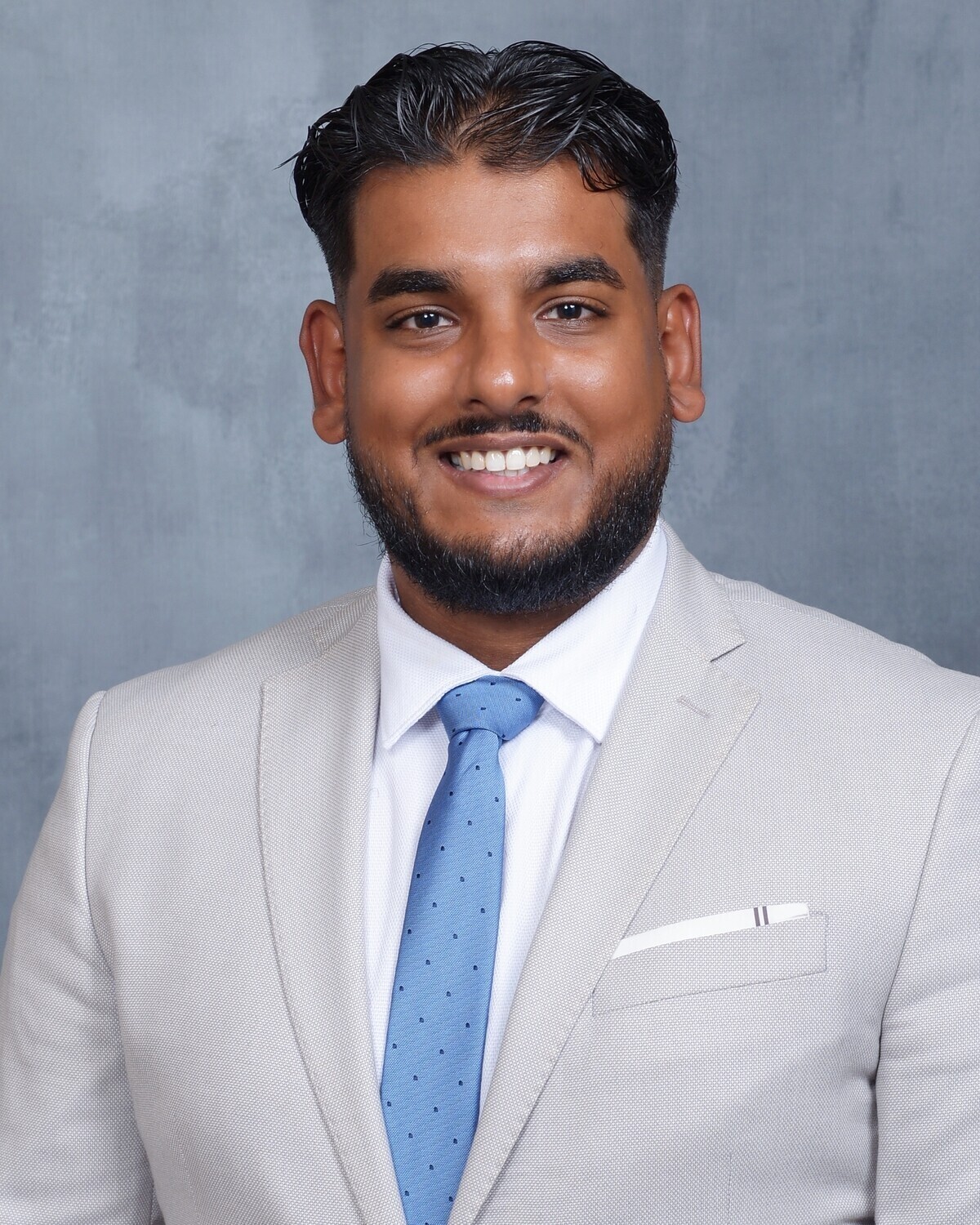
Alex went to EIOH’s urgent care, where he was seen by Dr. Theo Udaipaul, a resident at the time who was not only compassionate but also very familiar with EDS. In fact, he had presented a poster about dental considerations for the condition at a conference a month prior.
“I’m grateful that my time at EIOH prepared me to treat medically complex patients,” said Udaipaul. “As young professionals, we often focus on the technical skills, but many medical conditions like EDS are often overlooked and can significantly affect dental care. It’s important to be aware of all the factors that come into play for a patient. Reviewing the full medical history is critical.”
When he saw EDS listed in Alex’s chart, Dr. Udaipaul made sure to ask if Alex had needed extra numbing agents for previous procedures. “Research shows that patients with EDS display resistance to local anesthesia,” he explained. “For these patients it is suggested to try other, less common types of local anesthetics.”
It was the first time a provider had ever asked Alex about it. He had grown used to enduring pain during treatment, because many providers dismissed his concerns when the anesthetic didn’t seem to work, even when they knew he had EDS.
“It was such a relief that Dr. Udaipaul was so knowledgeable about my condition,” Alex said. “He really knew what he was doing.”
Although Dr. Udaipaul offered to perform a root canal on the tooth, Alex chose to have it pulled instead. “He asked me a couple of times to make sure that was what I wanted,” Alex said. “But he was very understanding of my decision.”
Throughout the appointment, Dr. Udaipaul gave Alex breaks to rest his jaw and was very gentle, understanding that patients with EDS often experience jaw instability and delicate gum tissue.
“He was extremely kind and patient with me,” Alex said. “It was the most comfortable I’ve ever been with a dentist. The anesthetic he used worked very well, and he made sure I was completely numb. The numbness even lasted a few minutes after the procedure!”
Alex is also a patient at EIOH’s Orofacial Pain clinic, where he was diagnosed with a temporomandibular joint (TMJ) disorder. One of the suggested treatments was Botox injections, but Alex had been too nervous to try it. “But now, after having my tooth pulled, I think I can get over my fear,” he said. “The extraction wasn’t nearly as bad as I thought it would be, so the injections might not be so bad either.”
“Building trust and comfort is just as important as providing excellent care,” said Dr. Udaipaul, who graduated from EIOH’s Advanced Education in General Dentistry (AEGD) program in 2025 and now works at WM Dental Care, East Aurora. “We all know the dentist isn't everyone's favorite place to be, but we can help change that experience.”
Author
