

Orofacial Pain/TMJ & Sleep Disorders
Orofacial Pain/TMJ & Sleep Disorders
Find Relief from Jaw and Facial Pain
Expert diagnosis and comprehensive treatment for complex jaw, facial, and head pain conditions. Our board-certified specialists combine advanced expertise with compassionate care.
Conditions We Treat
Orofacial pain includes discomfort in the jaw, face, and head, often arising from muscles, joints, nerves, or systemic conditions. Our board-certified orofacial pain specialists provide expert, evidence-based evaluation and management, focusing on relieving pain, restoring function, and improving quality of life.
Arthralgia (Jaw Joint Pain)
Pain originating in the temporomandibular joint (TMJ) itself is often felt as aching or tenderness in front of the ear. Pain may worsen with jaw movement or chewing and can radiate to nearby areas. Evidence-based treatment addresses the cause, reduces discomfort, and restores function.
Disc Displacement Disorders
When the cushioning disc in the jaw joint shifts out of place, it can cause clicking, popping, or catching sensations. Painful disc displacement requires professional evaluation for proper management and restoration of joint function.
Degenerative Joint Disease (TMJ Arthritis)
Osteoarthritis or other degenerative changes in the TMJ can cause pain, stiffness, grinding sensations, and limited jaw movement. Conservative management slows disease progression, reduces pain, and maintains function.
Subluxation and Dislocation
When the jaw moves beyond its normal range or becomes temporarily stuck open, acute pain and difficulty closing the mouth can occur. We can provide treatment to manage acute episodes and prevent recurrence.
Myofascial Pain Syndrome
Pain affecting the jaw muscles (masseter, temporalis, pterygoids) may extend to the neck, shoulders, temples, or face, and worsen with chewing, talking, or yawning. Targeted therapy relieves discomfort and improves function.
Myalgia (Jaw Muscle Pain)
Muscle pain may be triggered by overuse, jaw clenching, teeth grinding (bruxism), stress, or trauma. Treatments such as physical therapy and self-care strategies reduce pain, restore function, and prevent recurrence.
Muscle Spasm and Tension
Persistent jaw muscle tightness can limit movement and cause referred pain to the head, neck, or face. Evidence-based therapies release tension and address underlying triggers
TMJ-Related Headaches
Often linked to jaw muscle tension or dysfunction, affecting the temples, forehead, or back of the head. Headaches may worsen with jaw activity and improve with treatment of the underlying TMJ disorder.
Tension-Type Headaches
The most common headache type involves muscle tension in the jaw, neck, and scalp. Described as a tight, pressure-like band around the head, these headaches often improve when underlying TMJ issues are addressed.
Migraine with Facial Pain Component
Migraines can include significant jaw and facial pain. Integrated treatment targeting both the migraine and TMJ involvement can reduce pain and improve quality of life.
Cervicogenic Headaches
Headaches originating from neck problems may be felt as pain in the face, jaw, or head. Coordinated neck and jaw care provides comprehensive relief.
Trigeminal Neuralgia
Sudden, intense, shock-like, or stabbing facial pain affecting the trigeminal nerve in the face. Triggered by touch, talking, chewing, or brushing teeth. Managed medically or in coordination with neurosurgery.
Glossopharyngeal Neuralgia
Severe, sharp pain in the throat, tonsils, back of the tongue, or ear, often triggered by swallowing, talking, or coughing. Responds well to targeted management.
Post-Herpetic Neuralgia (Shingles-Related Facial Pain)
Persistent nerve pain after a shingles outbreak, causing burning or shooting facial discomfort even after the rash heals. Requires specialized pain management.
Atypical Odontalgia (Persistent Dentoalveolar Pain)
Tooth pain that continues after dental treatment or occurs without an identifiable dental cause. Specialized evaluation prevents unnecessary procedures and provides targeted care.
Burning Mouth Syndrome
Chronic burning or tingling in the tongue, lips, gums, or oral tissues, often with taste changes or dry mouth. More common in postmenopausal women, it can significantly impact daily comfort.
Cervicogenic Facial Pain
Pain from neck problems may be felt in the face or jaw. Coordinated neck and jaw treatment provides comprehensive relief.
Bruxism (Teeth Grinding and Jaw Clenching)
Involuntary clenching or grinding during sleep or wakefulness contributes to jaw pain, tooth wear, facial muscle discomfort, and morning headaches. Management includes behavioral strategies, stress management, and custom oral appliances.
Sleep Bruxism
Nighttime grinding stresses the jaw joints and muscles, causing morning jaw pain, headaches, and fatigue. Managed with TMJ splints and collaboration with sleep specialists when sleep-disordered breathing is involved.
Awake Bruxism
Daytime jaw clenching is often related to stress, concentration, or anxiety. Awareness and evidence-based strategies reduce strain and prevent long-term complications.
Referred Dental Pain
Pain that appears to come from the teeth but actually is caused by muscles, joints, or other structures. Accurate diagnosis prevents unnecessary dental procedures.
Salivary Gland Disorders
Pain or swelling from gland dysfunction, blockage, or infection, causing facial swelling, discomfort when eating, or dry mouth. Evaluation identifies the cause and guides effective treatment.
Oral Lesions and Mucosal Pain
Painful sores, ulcers, or lesions inside the mouth require evaluation to rule out severe conditions. Evidence-based care promotes healing and comfort.
Rheumatoid Arthritis
Rheumatoid Arthritis can involve the TMJ, causing pain, swelling, and joint changes. Multidisciplinary care with rheumatology addresses systemic and jaw symptoms.
Lupus and Connective Tissue Disorders
Autoimmune conditions may involve TMJ and facial pain. Coordinated care with rheumatology manages these complex cases.
Fibromyalgia with TMD
Widespread pain conditions often coexist with TMJ disorders, requiring integrated pain management strategies addressing multiple pain sites and central sensitization.
Sinus-Related Facial Pain
Actual sinus pain is uncommon; differentiation from TMJ or neuropathic pain is critical. ENT collaboration is provided when indicated.
What to Expect
At your first appointment, we will:
- Review your medical history in detail and discuss the pain you are experiencing
- Perform a thorough examination in the clinic
- Look at the full picture, including physical, lifestyle, and stress-related factors that may be affecting you
- Clearly explain any diagnoses
- Discuss treatment options and develop a personalized treatment plan
- Panoramic x-rays or CBCT
- MRI or soft tissue imaging
- Jaw tracking technology
- Lab tests
We will work with you to create a treatment plan designed specifically for you.
Depending on your diagnosis, treatment may include:
- Trigger point injections or Botox therapy to relax painful jaw muscles and reduce headaches
- Custom-made oral appliances
- Medications
- Simple at-home strategies to support healing between visits
If your care would benefit from additional support, we will work closely with physical therapists, neurologists, and other specialists to ensure you receive comprehensive treatment.
Many patients notice meaningful improvement as treatment progresses.
We schedule follow-up visits to carefully monitor your response to care and make any necessary adjustments to ensure you are moving toward lasting relief and improved function.
Our goal is not just short-term relief, but long-term control of your condition. We will remain involved in your care, helping you manage symptoms, prevent flare-ups, and maintain your quality of life well into the future.
Meet Our Team
Services are provided by dentists who are advancing their training to become specialists in orofacial pain, overseen by faculty dentists who are experts in this field.
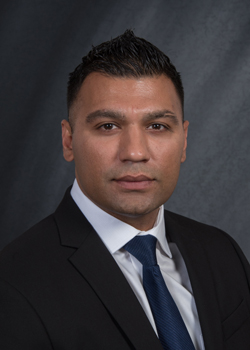


Gunjan Bhatia, BDS

Siri Sravani Chaganti, BDS

Menatalla Kabeel, BDS
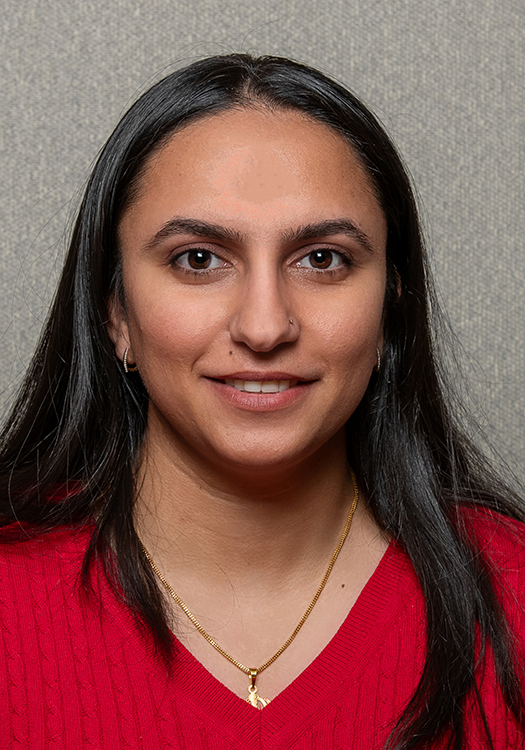
Gurleen Kaur, BDS

Qasim Khalid, BDS

Haaris Khan, BDS

Sandhya Rani Nadakuditi, BDS

Mariam Poghosyan, DDS

Maha Rizvi, BDS
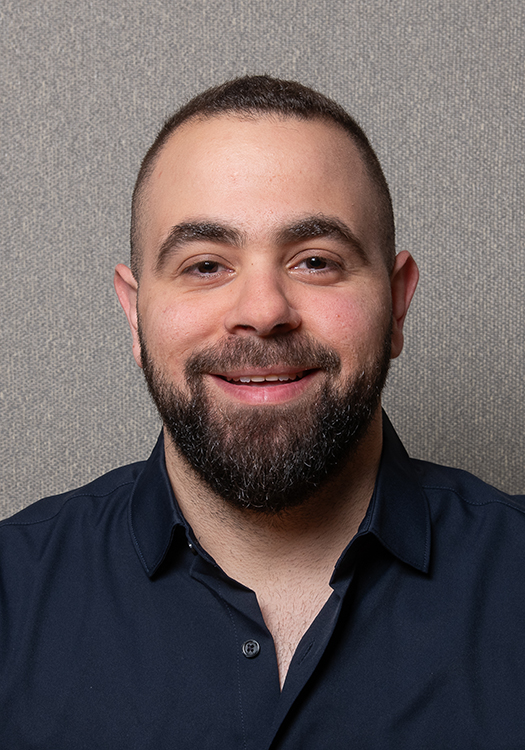
Karim Sharafeldin, BDS

Richa Singh, BDS

Rameeza Zia, BDS

Barb Birecree
Lead Dental Assistant

Linda Stauber
Operations Administrator

Karen Peck
Operations Supervisor
Our Locations
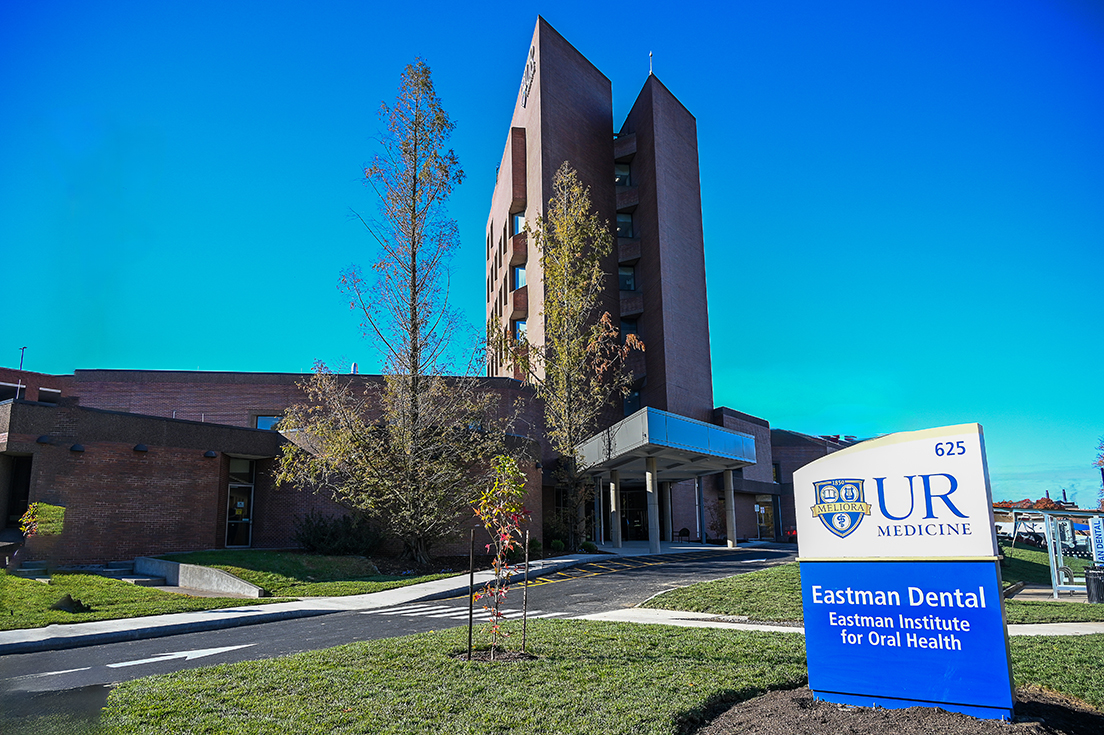 Orofacial Pain / TMJ & Sleep Disorders Clinic
Eastman Institute for Oral Health
625 Elmwood Ave
Rochester, NY 14620
(585) 275-5018 or (585) 276-5562
 University Dental Faculty Group
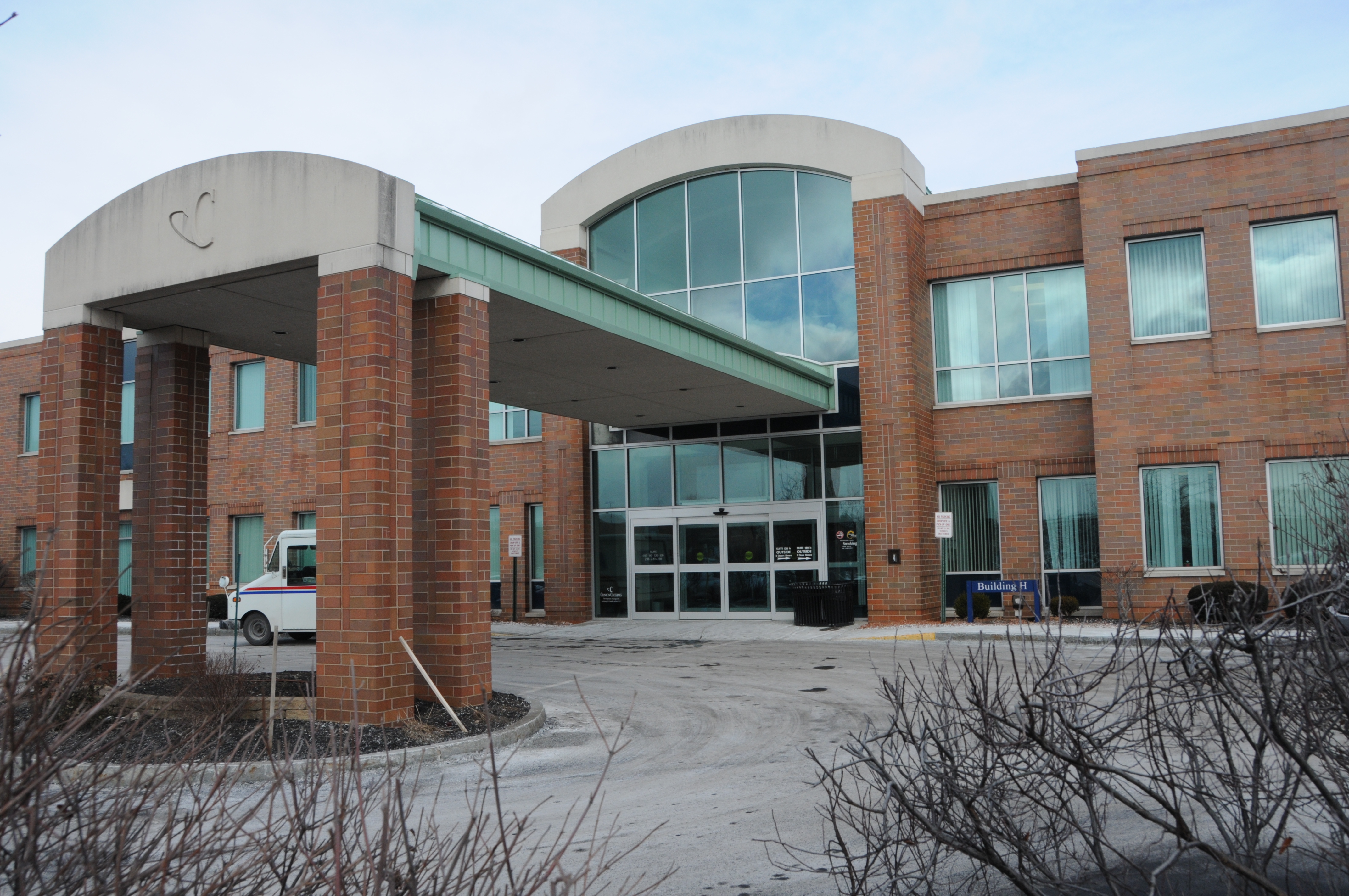
2400 S Clinton Ave, Building H, Suite 125
Rochester, NY 14618
(585) 341-7177
 Oral & Maxillofacial Surgery Clinic
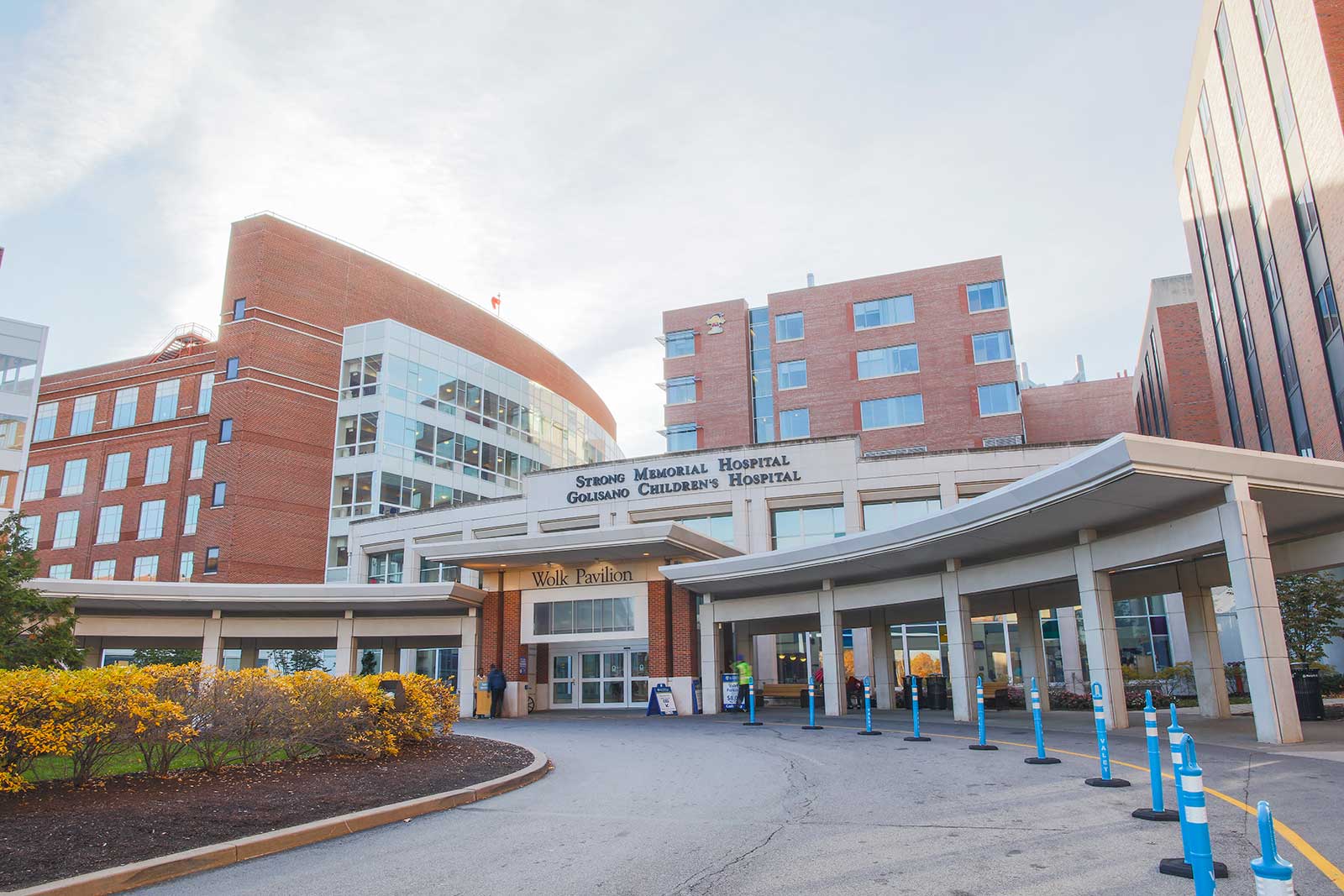
Strong Memorial Hospital
601 Elmwood Ave, 4th floor
Rochester, NY 14642
(585) 275-5531
When to Seek Evaluation
You should seek care if you experience:
- Persistent jaw, face, or head pain (> a few weeks)
- Jaw clicking, popping, or locking with pain
- Difficulty chewing, speaking, or opening your mouth
- Severe, sudden facial pain or shock-like sensations
- Numbness or tingling in the face
- Tooth pain without a dental cause after evaluation
- Chronic headaches that involve the jaw or face
- Burning sensations in the mouth, tongue, or lips
- Morning jaw pain, headaches, or fatigue
- Pain worsened by stress or jaw activity
Early intervention improves outcomes. Most TMJ and orofacial pain conditions respond well to conservative treatment when addressed promptly.