


Overview
The primary focus of the McGraw lab is to better understand the mechanisms of bronchiolitis obliterans (BO)—a devastating lung disease of the small airways. The laboratory uses environmental exposures, such as volatile chemicals and certain respiratory tract infections, using small rodents and donated human samples for modeling disease development. Our ultimate goal is to bring new therapies to patients suffering from this devastating disease.
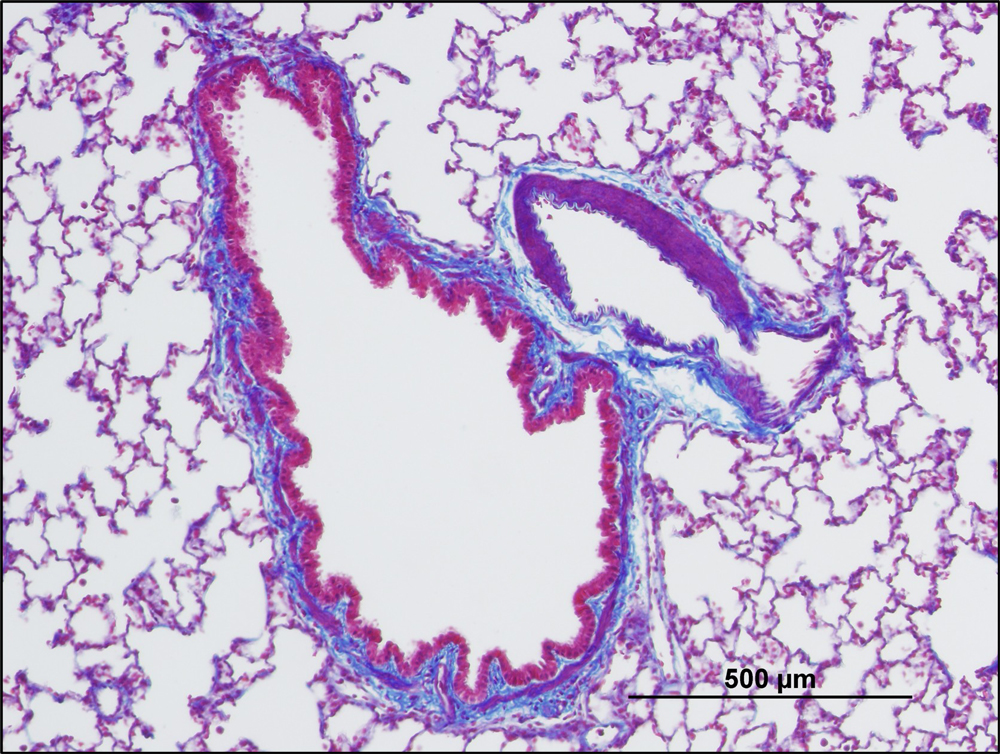
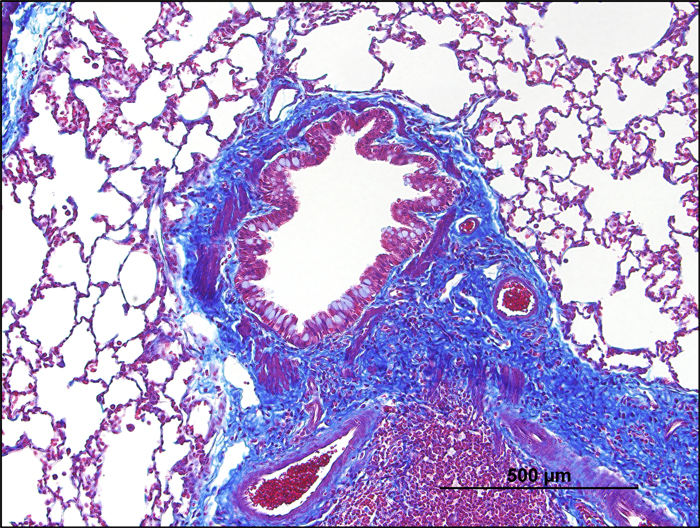
Exposure Systems
In collaboration with the University of Rochester’s P30 Environmental Health Sciences Center’s Inhalation Exposure Facility, the lab develops a variety of in vitro and in vivo exposure systems. These exposure systems are used to model acute and chronic lung diseases following inhalation of environmental exposures.
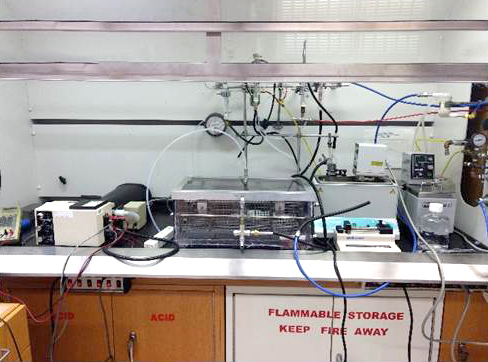
Development of novel in vivo exposure systems with continuous monitoring and closed loop communication
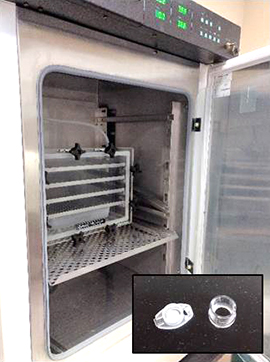
In vitro inhalation exposures systems for exposing human tissue to chemicals
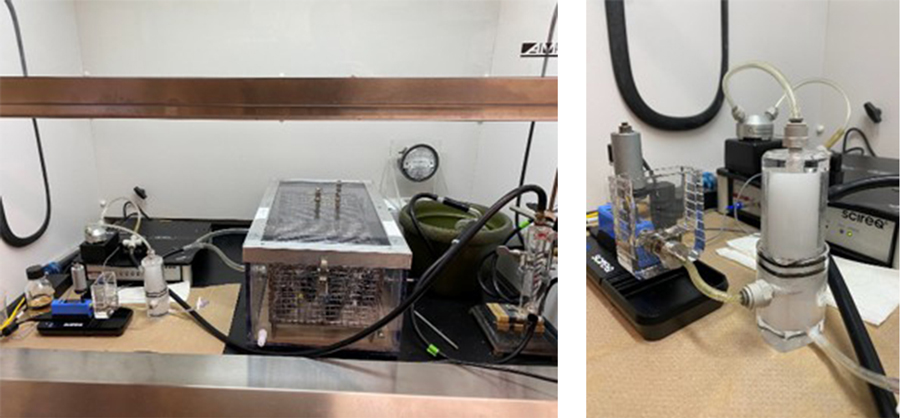
SciReq InExpose E-cigarette Aerosol Generation
Small Rodent Lung Function Testing and Real-Time Monitoring
The lab uses technologies physiologic monitoring of respiratory function and mechanics after inhalation exposures.
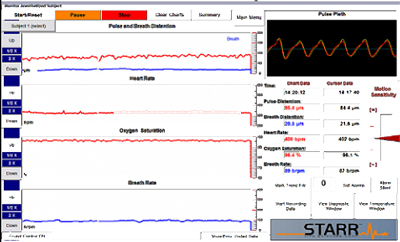
STARR Life Science software and sensors

SQIREQ Flexivent® ventilator and affiliated software
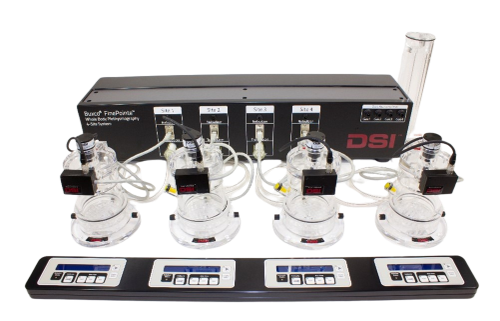
Buxco FinePointe Whole Body Plethysomgraphy
Modeling Lung Injury, Repair, and Fibrosis
The McGraw lab has adapted 3D ‘organoid’ cultures for studying epithelial biology and regeneration after inhalation injuries.
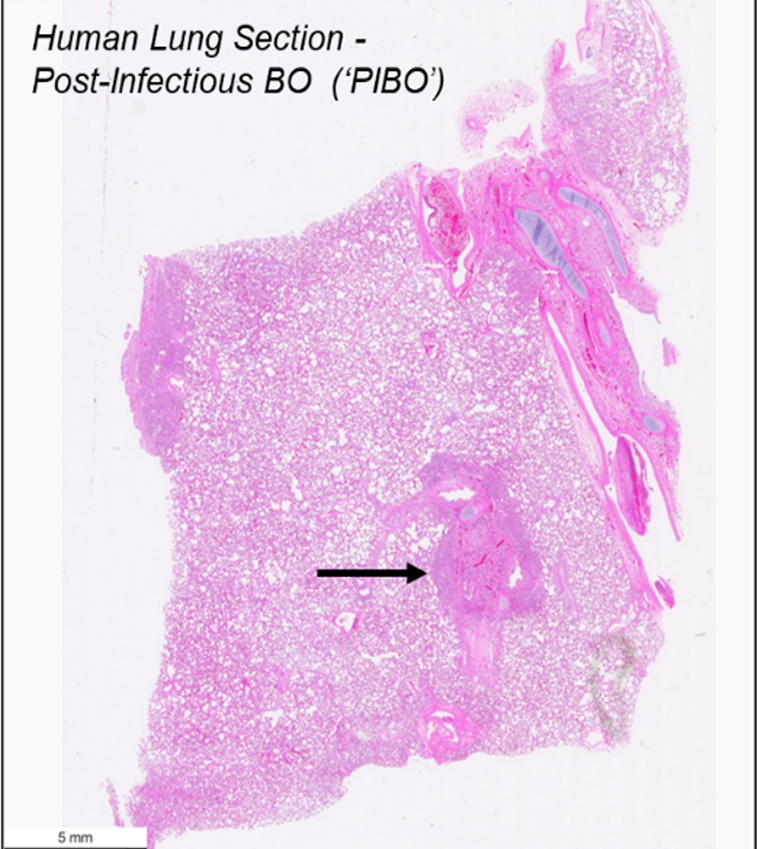
Deceased human donor lung provided from the Biorepository for INvestigation of Diseases of the Lung (BRINDL; PI: Dr. Gloria Pryhuber); arrow highlights airway with bronchiolitis obliterans (BO) pathology
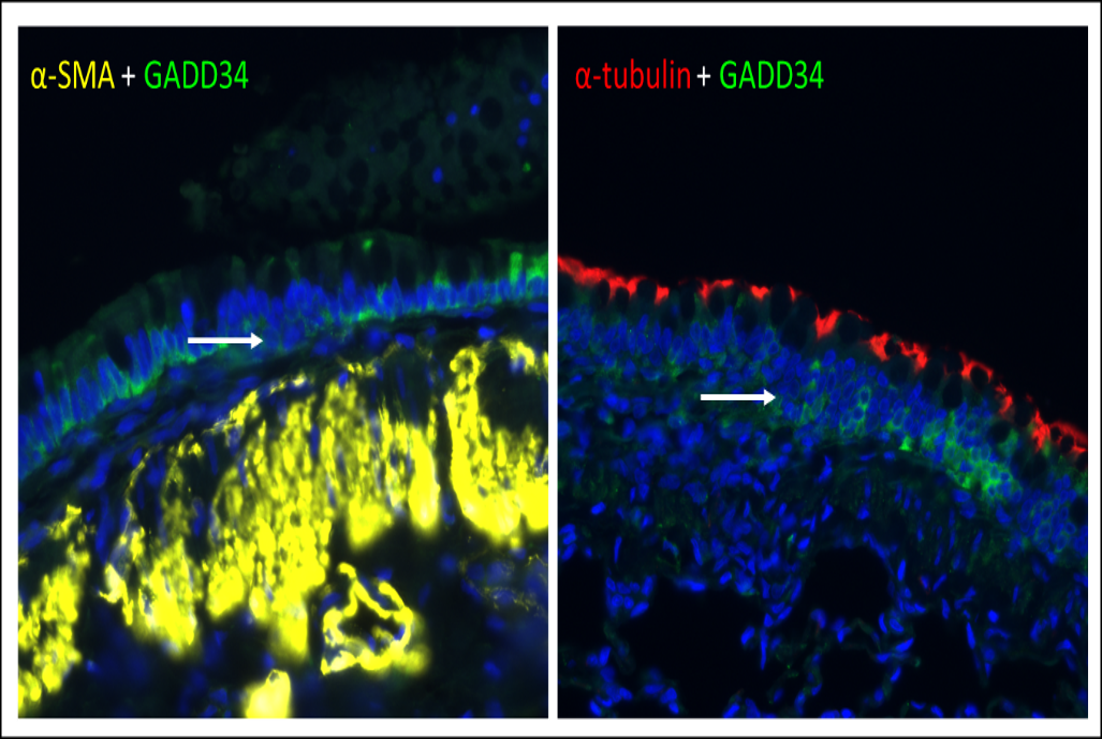
Immunoflourescent images of rat airways with airway remodeling marked by alpha-smooth muscle actin (α-SMA; yellow), integrated stress response protein GADD34 (green), and ciliated cells with alpha (α)-tubulin (red)
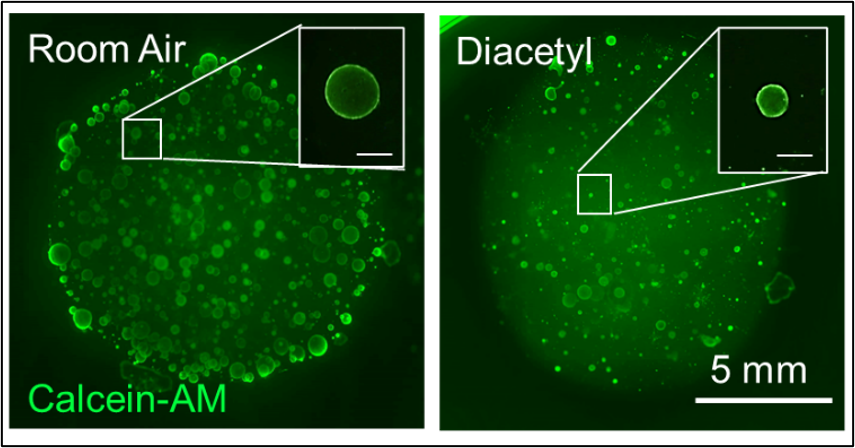
Organoid culture exposed to Room Air (left) or Diacetyl (right) and stained for live cells with the calcein-AM (fluorescent green dye)

Matthew D. McGraw, M.D.
Principal Investigator

- Influenza A Virus Following Radiotherapy Amplifies Lung Injury and Monocyte-derived Macrophage Responses.; American journal of respiratory cell and molecular biology. 2025 Jul 30.
- Diacetyl Inhalation Impairs Airway Epithelial Repair in Mice Infected with Influenza A Virus.; American journal of physiology. Lung cellular and molecular physiology. 2022 Sep 06.
- Post-translational modifications to hemidesmosomes in human airway epithelial cells following diacetyl exposure.; Scientific reports; Vol 12(1). 2022 Jun 13.
- Noninvasive systemic biomarkers of e-cigarette or vaping use-associated lung injury: a pilot study.; ERJ open research; Vol 8(2). 2022 Apr.
Research Associate Professor of Pediatrics
Carl Johnston, Ph.D.
Research Assistant Professor of Pediatrics
Angela Groves, Ph.D.
Affiliations
News
E-cigarettes Stress Lungs, Impair Protein Function -
A PNNL-developed technique shows e-cigarettes inflict oxidative stress on lung tissue in rats.

Contact Us
McGraw Lab
Matthew D. McGraw, M.D.
Assistant Professor, Department of Pediatrics, Division of Pulmonology
University of Rochester, Golisano Children's Hospital
601 Elmwood Avenue, Box 667
Rochester, NY 14642
Matthew_Mcgraw@URMC.Rochester.edu
Phone: (585) 275-2464
Fax: (585) 275-8706