

Climate and Children’s Environmental Health Elective
Climate and Children’s Environmental Health Elective
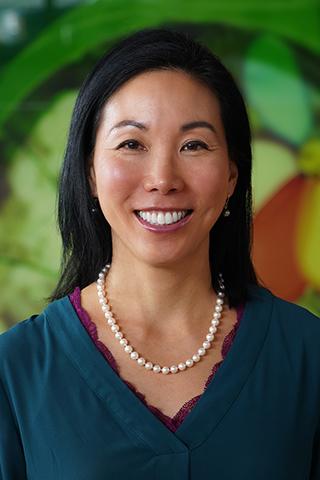
Sandra Jee, M.D., M.P.H.
Course Details
Course Number: PED622
Duration: 2 weeks
Course Director: Sandra Jee, M.D., M.P.H.
Course Location: Saunders Research Building, 3rd Floor, General Pediatrics
Course Offered: Year-Round
Open to the Following Students: 3rd Year, 4th Year, Visiting
Course Overview
This dynamic elective introduces medical students to the rapidly evolving field of environmental health, where clinical medicine intersects with public health, community advocacy, and climate science. Students will gain a broad and practical understanding of how environmental exposures such as lead, air pollution, extreme heat, and housing conditions all impact human health, with a special focus on children.
Learning Objectives
By the end of this elective, the student should be able to:
Medical Knowledge
- Explain how fetal and childhood epigenetics, physiology, organ maturation, and behaviors at different stages of development increase the impact of environmental exposures
- Identify relevant EH resources for screening, diagnosis, risk communication, and treatment
- Describe prenatal, perinatal and pediatric conditions that are linked to environmental factors
- Describe prenatal, perinatal and pediatric exposures that may lead to disorders in birth outcomes, childhood, adolescence, and/or adulthood
- Describe aspects of the environment that nurture healthy growth and development in the fetus, child, adolescent, and young adult
Patient Care
- Apply EH screening questions as developmentally appropriate in preventive care
- Utilize additional necessary relevant questioning or assessment, if a potential hazard is identified
- Incorporate questions about potentially relevant environmental causes/factors in the assessment of the sick child
- Apply appropriate environmental and biological sampling and measurement both for screening and diagnostic testing
- Create and implement appropriate environmental health risk counseling and hazard reductions
- Demonstrate skills in providing environmental health anticipatory guidance
Systems-level Approach (Community Health)
- Describe sentinel events and strategies for their public health reporting
- Identify partners and resources for addressing environmental health risks, and for counseling and management at the individual and community level
- Demonstrate skills in EH risk communication
- Identify legal, regulatory, and non-regulatory approaches to addressing EH issue
Schedule of Activities
Students will participate in a hybrid schedule that combines in-person clinical activities, telemedicine, case-based learning, community/outreach activities, and self-directed online learning. On-site clinical activities are generally scheduled in the afternoons, while self-directed learning can be arranged flexibly around team meetings and case conferences.
In partnership with the Finger Lakes Children’s Environmental Health Center (one of seven Centers of Excellence in Environmental Health in New York State and the only designated expert center serving the Finger Lakes region) students will engage in a range of immersive learning experiences. These include national-level case conferences, clinical experiences in both pediatric and adult settings with physicians trained in Environmental Pediatrics, and hands-on exploration of real patient cases, which serve as a central didactic component. Students will also assist in responding to public inquiries (childhood/prenatal environmental exposures (such as lead, pesticides, air pollution)) received by the center and collaborate with environmental health experts across the state (Mt. Sinai, University of Buffalo School of Medicine, Albany Medical College) and country.
Foundational knowledge will be built through guided study of gold-standard publications in environmental health and climate change. Additionally, students will have opportunities to partner with local non-profit organization partners like FoodLink and Rochester Ecology Partners to better understand how environmental issues affect communities and how physicians can serve as trusted advocates for health equity and environmental justice.
Core skills and clinical tool-kit developed include environmental history-taking, exposure assessment, patient-centered risk communication, and identifying local, state, and national resources for environmental health management.
Students will complete the elective equipped to be environmentally informed clinicians and advocates, prepared to lead in a world where climate and health are deeply connected. Opportunities for involvement in ongoing research and community-based projects are also available.
Clinical Activities
- Perform full environmental histories and intakes for individual patients
- Perform full environmental histories and data review for community-level exposure cases
- Participate in clinical consultations with experts in lead poisoning for newly diagnosed lead poisoning cases or follow-up of children with elevated blood lead levels.
- Develop management plans for children with known or suspected environmental exposures
Educational Activities
- Present clinical cases at weekly PEHSU multidisciplinary case conferences (Wednesdays, 11 a.m.)
- Attend departmental lectures and teaching sessions
- Complete the 3 core learning modules on key topics in pediatric EH
Community and Outreach Activities
- Work with local and state governmental agencies to address community-level environmental health concerns
- Create outreach materials such as a “Prescription for Prevention”, factsheet, or infographic
- [Optional] Complete the “Community Environment Project” to familiarize yourself with positive and negative environmental exposures in a NYC neighborhood and learn to access and interpret environmental public health data.
- Collaborate with community partners, such as the Rochester Ecology Partners, Climate Solutions Accelerator, or Causewave to understand community perspectives on EH.
- Attend events led by community organizations
Research
- Specific research opportunities will be discussed at the beginning of the elective, and may include opportunities within the PEHSU, NYS Children’s Environmental Health Centers, or FLCEHC team meetings.
Recommended Reading
- Pediatric Environmental Health, 4th Edition (“The Green Book”); hard copy available during the elective
- Background: Addressing Environmental Health in Primary Care
- Chapter 3: Children’s Unique Vulnerabilities to Environmental Hazards
- Chapter 4: Individual Susceptibility to Environmental Toxicants
- Chapter 5: Taking an Environmental History and Giving Anticipatory Guidance
- Chapter 32: Lead
- Chapter 64: Precautionary Principle
- Chapter 65: Risk Assessment, Risk Management, and Risk Communication
- PEHSU National Classroom online modules and webinars
- Pediatric Environmental Health Toolkit online clinical reference
- A Story of Health online multimedia book
- National Environmental Education Foundation environmental health history form
Student Evaluations
Student evaluation will include assessment of satisfactory completion of the learning objectives through case-based work and clinical performance.
- Case Study Analysis: evaluated using a standardized case grading rubric.
- Clinical Experience: assessed based on participation, professionalism, and performance during clinical activities using established clinical evaluation criteria
- Completion of required didactic activities, including assigned modules, readings, case conference participation, and presentation of the assigned case