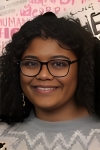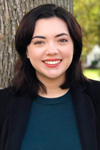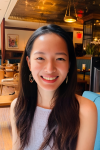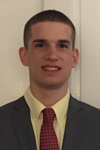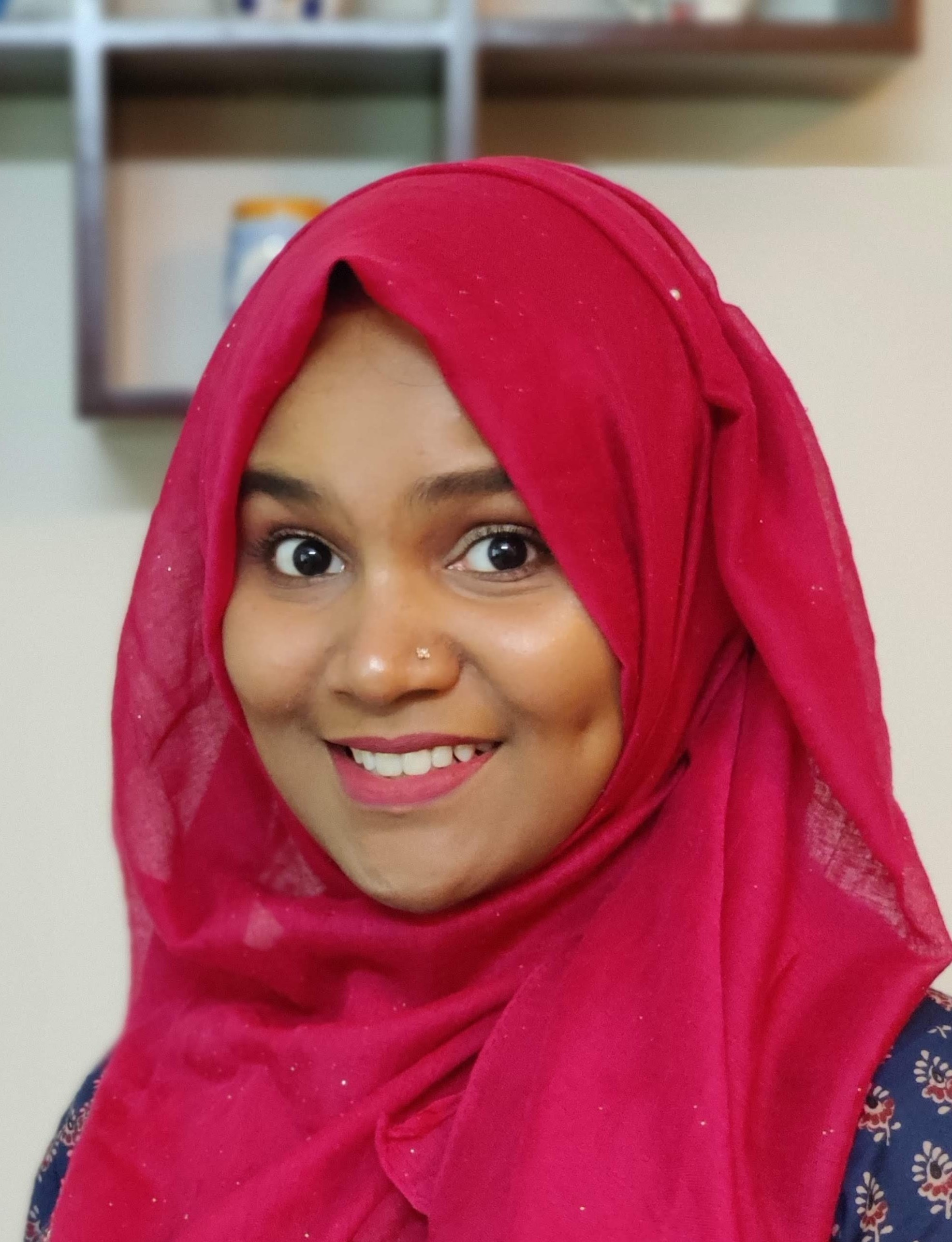
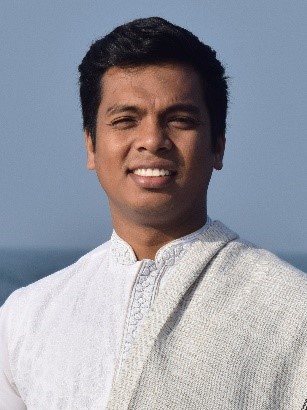
Fifth Year (Ph.D. Program in Pathology)

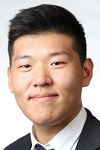
Jong-Wei Hsu (Gus)
My research focuses on studying the effects of vitamin D in prostate cancer progression and bladder cancer therapy by using biomedical engineering techniques or VDR knock-out mice models.
Home town: Changhua County, Taiwan
M.S., Animal Science, National Taiwan University
Mentor: Yi-Fen Lee

Hsu

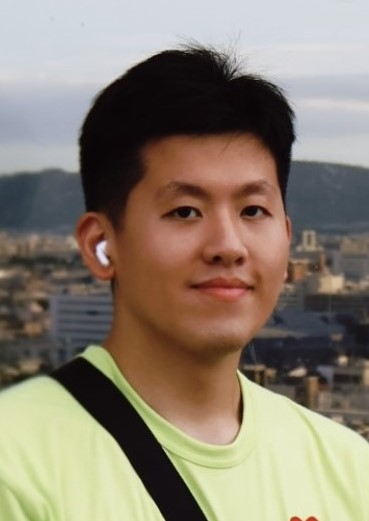
Kuo-Pao Lai (Jimmy)
My research interests focus on the role of androgen receptor (AR) in T-lymphocyte development and prostate stromal development using AR knock-out mice.
Home town: Taipei, Taiwan
M.S., Life Science, National Tsing-Hua University
Mentor: Chawnshang Chang

Lai

Diana Metz-Estrella
My main interest is bone biology and pathology. My current project is to determine the role of a protein named TRIP (TGF-beta receptor interacting protein) in the BMP and TGF-beta signaling pathways in osteoblast differentiation and proliferation. Novel proteins such as TRIP may lead to further insight on the causes and treatment of skeletal diseases such as osteoporosis.
Home town: Carolina, Puerto Rico
B.S., Biology, University of Puerto Rico
Mentor: J. Edward Puzas

Estrella

Mustimbo Roberts
Sjogren's Syndrome (SS) is an autoimmune epithelitis with described lymphocytic infiltrates in to the lacrimal glands, and to a larger extent the salivary glands. The focus of my project is to characterize the local autoimmune response in the salivary glands of SS patients by describing the antigenic specificity of potentially novel SS specific human monoclonal autoantibodies generated from the memory b-lymphocyte component of the infiltrate.
Home town: Nassau, Bahamas
B.S., Biochemistry, Oakwood College
Mentor: Ignacio Sanz

Roberts

Meina Wang
My research interest is in understanding the regulation of the Smurf2 (an E3 ubiquitin ligase that targets TGF-ß signaling molecules for degradation) gene in Osteoarthritis.
Home town: Qitai, People's Republic of China
M.S., Materials Science, Norfolk State University
Mentor: Michael Zuscik

Wang

Jonathan Weber
After college I worked at the University of Rochester as a technician studying parathyroid hormone and its effects on bone with Dr. Laura Calvi. This research implicates osteoblasts as a niche for hematopoietic stem cells. I like that the basic research I have done has the potential for large clinical applications.
Home town: Penfield, NY
B.A., Biology with Environmental Science, Colby College
Mentor: Laura Calvi

Weber

Matthew Cannon
Research interests include the mitochondrial basis of disease and the use of transmitochondrial animal models to look at the interplay of mitochondrea and the respiratory chain in pathogenesis.
Home town: Akron, OH
B.S., Biology, University of Akron
Mentor: Carl Pinkert

Cannon

David Dunn
My current interest lies in phenotypic characterization of transmitochondrial mice. For further information see:
Development and Initial Characterization of Xenomitochondrial Mice. (2004). Trounce I, McKenzie M, Cassar C, Lerner C, Dunn D, Donegan C, Takeda K, Pogozelski W, Howell R, and Pinkert C. JOBB. 36, 421-427.
Home town: Bluffdale, UT
M.S., Animal Science, Brigham Young University
Mentor: Carl Pinkert

Dunn

Lea Gunnell
Tak1 or M3K7 is a MAP Kinase Kinase Kinase that has been shown to play a role in TGFb, BMP, Wnt/b-catenin, and inflammatory signaling in vitro, however little is known about its roles in vivo.  The goal of my project is to characterize the role of Tak1 in skeletal development and maintenance.  Through a greater understanding of normal processes occuring within the skeleton we hope to be able to more specifically identify the underlying events leading to pathological conditions such as osteoarthritis(OA).  With greater understanding more effective treatments could be identified and measures could be taken to prevent the progression of these diseases.
Home town: Davison, MI
B.S., Materials Science and Engineering, North Carolina State University
Ph.D. and M.D. programs

Gunnell

Su Liu
My current project focuses on premature aging in TR4 KO mice and the molecular mechanism behind this. TR4 is an orphan nuclear receptor. Although we don’t know the whole picture yet, TR4 must play an important role in cellular and physiological function regulation judged by the phenotype of TR4 KO mice.
Home town: Xiamen, People's Republic of China
M.S., Cell Biology, Xiamen University
Mentors: Chawnshang Chang and Yi-Fen Lee

Liu

Wen-Lung Ma (Maverick)
I am very interested in the cytosolic aggreome function and its linkage to Androgenic signaling. It’s an exciting project. I use many novel techniques and new methodologies, approach things from different angles, and hope to see something interesting, exciting and significant. My research work also includes liver cancer, hepatitis, prostate cancer and breast cancer.
Home town: Feng Shang, Kaohsiung Hsien, Taiwan
M.S., Physiology, National Cheng-Kung University
Mentor: Chawnshang Chang

Ma

Rachel Mroczek-Johnston
My research in the musculoskeletal and orthopedics department involves working with bone formation processes. I am currently studying BMP signaling in osteoblast differentiation processes and exploring the possible role novel proteins, such as TRIP (TGF-beta receptor interacting protein), play within this signaling pathway.
Home town: Rochester, NY
B.S., Biology, Elon University
Mentor: J. Edward Puzas

Mroczek

Pramodh Seneviratne
My interests include research into infectious diseases at the molecular level, especially viral diseases.
Home town: Colombo, Sri Lanka
B.S., Botany, University of Colombo, Sri Lanka
Mentor: Alan Smrcka

Seneviratne

Jessica Spahn
The liver is a site where tolerance is favored over immune reaction. There is evidence that Kupffer cells, the resident liver macrophage, plays an important role in this process. I am looking at the different mechanisms by which Kupffer cells might have this effect.
While tolerance is favorable in most cases, in the liver it can be detrimental. One such example is Hepatitis C virus infection in which the majority of the patients develop chronic infection. Our models aim to mimic such an infection and to determine the role of Kupffer cells in causing the infection to become persistent.
Home town: St. Louis, MO
B.S., Biology, Loyola University of Chicago
Mentor: I. Nicholas Crispe

Spahn