Flu Season 2026–2027: At-Home Flu Tests, Vaccines, and What to Know
Flu season 2026–2027 is approaching, and now is a good time to prepare.
Key Takeaways
- 2026–2027 flu vaccines are updated to better match the influenza viruses expected to circulate this season, including an updated H3N2 component.
- September and October are generally good times to get a flu shot. Vaccination can still provide protection later in the flu season.
- At-home flu tests can help you decide what to do next, but a negative test does not rule out the flu.
- Flu antiviral medications work best when started within the first 1–2 days of symptoms.
Flu season is almost upon us. You may be wondering when to get a flu vaccine, whether at-home flu tests can help, and what to know about the influenza viruses expected to circulate this season.
What’s Different About the 2026–2027 Flu Season?
For the 2026–2027 season, all three components of the U.S. flu vaccine have been updated from the previous season. The vaccine includes updated strains designed to protect against influenza viruses that are expected to circulate this season.
One of the changes addresses influenza A(H3N2) viruses, including the subclade K viruses that circulated widely last year.
It is too early to know exactly how severe the 2026–2027 flu season will be or which viruses will dominate. Flu activity can vary from year to year and from one community to another.
See a Doctor at Home
What’s the Difference Between Flu A and Flu B?
There are two main types of seasonal influenza viruses that infect people: influenza A and influenza B.
- Influenza A is the type most often responsible for large outbreaks and severe seasons. It mutates more frequently and includes subtypes like H3N2.
- Influenza B usually circulates later in the season and tends to cause milder illness overall, though it can still be serious.
What Are the Symptoms of Flu?
- Fever and chills
- Muscle and body aches
- Severe fatigue
- Nausea, vomiting, or diarrhea (especially in children)
- Cough or shortness of breath
What to Do If You Think You Have the Flu
If you start feeling sick, it's important to get tested early. Flu antiviral medications, like Tamiflu, work best when started within the first 1-2 days of developing symptoms.
Are At-Home Flu Tests Accurate?
“At-home flu tests are about 70 to 80 percent accurate,” says Dr. Branche. “But a negative test doesn’t rule out the flu.”
If your test is negative but your symptoms are severe or worsening, it’s essential to contact your healthcare provider or visit an urgent care facility.
University of Rochester Medicine Virtual Urgent Care clinicians can use home test results to help guide next steps, lowering the risk of further exposure that can come with in-person urgent care.
When Should I Seek Care for the Flu?
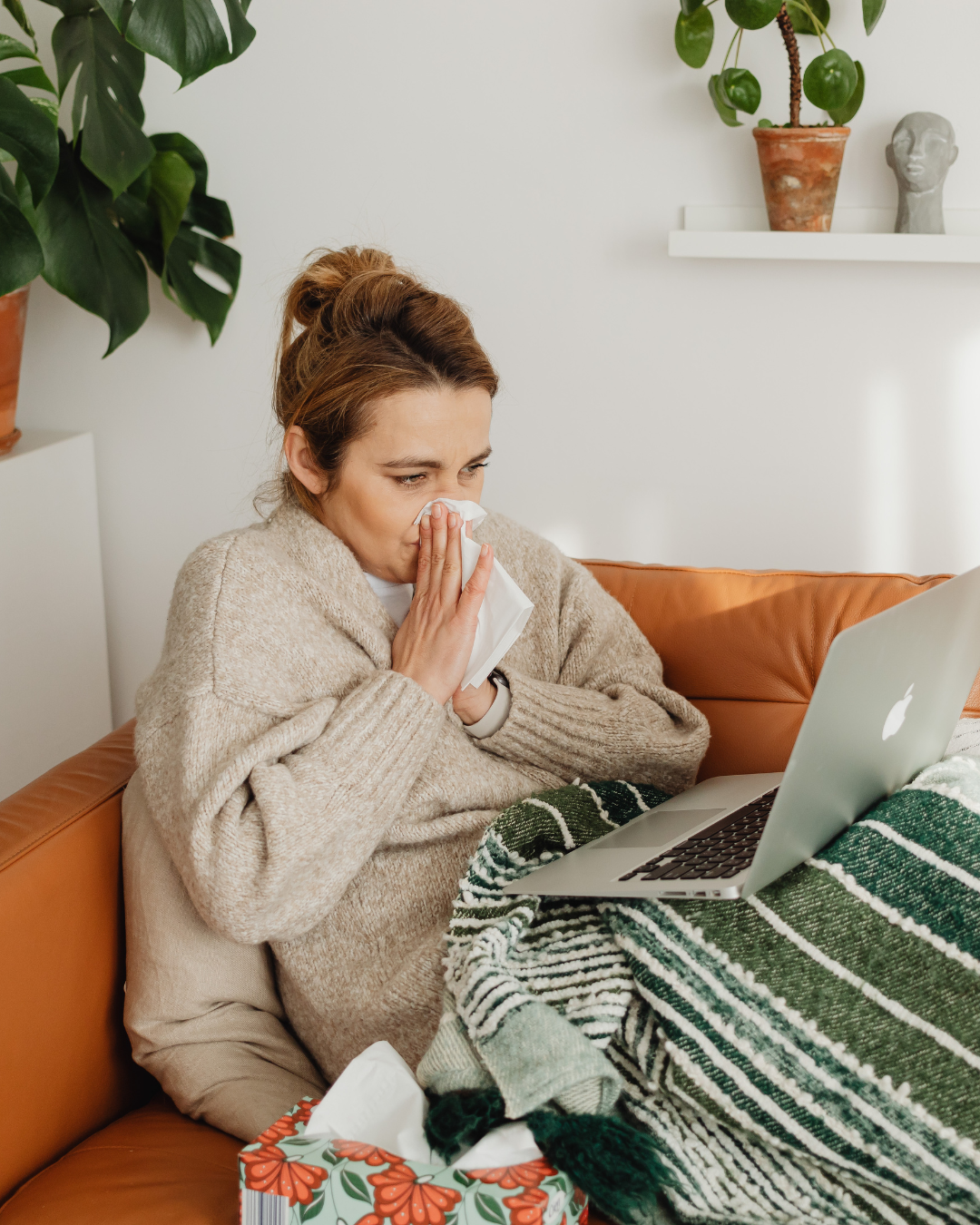
Antiviral medications like oseltamivir (Tamiflu) work best when started early.
- Within the first 48 hours of symptoms, antiviral treatment can shorten illness and reduce severity for most people.
- High-risk patients—including pregnant people, older adults, those with chronic heart or lung disease, or weakened immune systems—should seek care even if symptoms started more than two days ago.
Seek urgent care right away if you have:
- Trouble breathing or chest pain
- Persistent high fever
- Severe dehydration from vomiting or diarrhea
- Confusion or sudden dizziness
Can You Have the Flu and COVID-19 at the Same Time?
Yes, but it isn't common. Because flu, COVID-19, and RSV can cause similar symptoms, testing can help determine what's causing your illness.Flu Vaccines and Protection
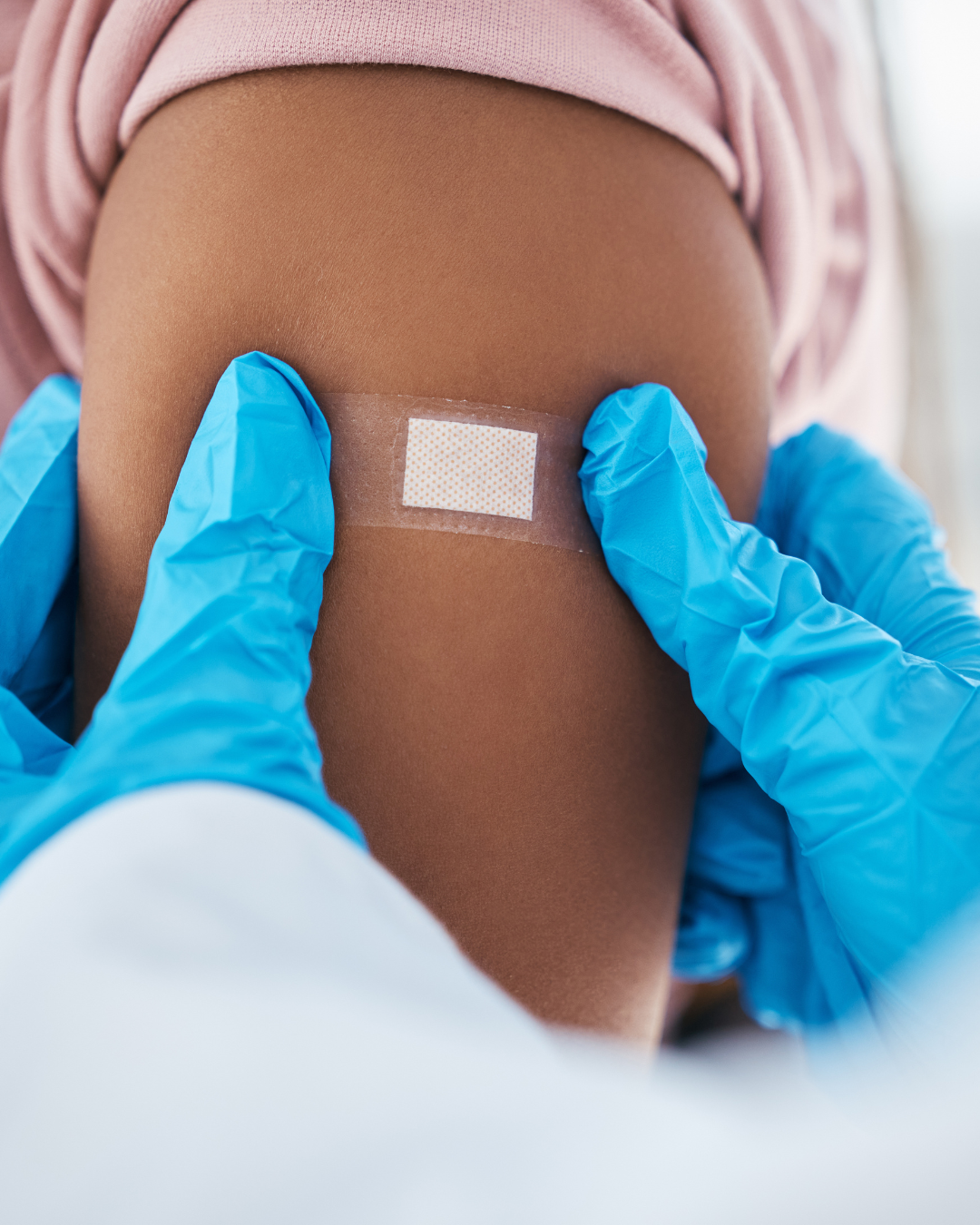
Flu vaccination is recommended every year for most people 6 months and older.
The 2026–2027 flu vaccine has been updated to better match influenza viruses expected to circulate this season.
“The flu vaccine may not prevent you from getting infected this year,” Branche says, “but it can still reduce your risk of severe illness, hospitalization, and complications.”
Vaccines help the immune system build memory, working alongside protection from past infections. Even partial immunity can make symptoms milder and recovery faster.
When Should I Get a Flu Shot?
For most people who need one dose of the flu vaccine, September and October are generally the best times to get vaccinated. Ideally, you should get your flu shot by the end of October, but vaccination can still provide protection later in the flu season.
Flu vaccines are safe, widely available, and can still provide meaningful protection throughout the season. A nasal spray flu vaccine is available for some healthy people ages 2 through 49. Ask your health care provider whether it's appropriate for you. It takes about two weeks for your body to build its immune response after vaccination.
Can the Flu Vaccine Give You the Flu?
No. The flu vaccine cannot give you influenza. Some people have mild side effects after vaccination, such as soreness, fatigue, or a low-grade fever.
Can You Get Flu, COVID-19, and RSV Vaccines at the Same Time?
You may be able to get more than one vaccine at the same time. Talk with your doctor to determine which vaccines you need and when to get them.
Protecting Babies from RSV
Infants can be protected from severe RSV through either vaccination during pregnancy or an RSV antibody given to the baby. Talk with your pediatrician or prenatal care provider about which option is best for your baby.
Why Does Vaccine Research Matter?
Influenza viruses change constantly, which is why flu vaccines are updated every year. Vaccines use a piece of the virus to train the immune system. Unfortunately, that same part of the virus mutates easily.
Researchers at University of Rochester Medicine and around the world are working to improve vaccine technology, including studies exploring broader and longer-lasting protection.
“It’s a constant battle of humans against viruses, and sometimes we win, and sometimes we don’t,” explains Branche. “That’s why developing new vaccine technologies is so important. There’s always a way to do better.”
Cold, Flu, and RSV Guide
As we move into winter, illnesses like flu, RSV, COVID-19, and stomach bugs become more common. Stay updated on flu, RSV, and other seasonal illnesses: symptoms, prevention tips, and when to seek care.
Connect with us!