Cold, Flu, and RSV Guide 2026
Stay updated on flu, RSV, and other seasonal illnesses: symptoms, prevention tips, and when to seek care.
Feeling Sick? Get Care Now
With so many bugs going around, our symptom guide makes it easier to narrow things down. At-home Flu/COVID/RSV test results can be shown to your Virtual Urgent Care provider to guide a treatment plan.
Virtual Urgent Care
Virtual visits are available 7 days a week, including holidays. Best for:
- Congestion and sinus symptoms
- Mild fever
- Sore throat
- Body aches and fatigue
Urgent Care
In-person, walk-in care for non-emergencies. Best for:
- Worsening cold and flu symptoms
- Extreme body aches and fatigue
- Fever
- Dehydration from nausea and vomiting
Primary Care
Personalized care for cold and flu symptoms that need a closer look. Best for:
- Lingering or worsening symptoms
- High risk for cold and flu complications
- Sickness affecting an ongoing condition
Find a Primary Care Provider
Current patients can schedule directly through MyChart
Flu Season 2026: At-Home Flu Tests, Vaccines, and the Variants to Watch
What’s actually different this year, and what should you do if you or your family gets sick? University of Rochester Medicine’s Infectious Disease expert Angela Branche, MD, breaks down what has changed this flu season, best options for testing and treatment, and why vaccination is important even late into the season.

Check Your Symptoms
| Symptoms | Common Cold | Influenza (Flu A) | Influenza (Flu B) | RSV | COVID-19 | Stomach Bug / Norovirus |
|---|---|---|---|---|---|---|
| Fever / chills | Not typical | Has symptom | Has symptom | Not typical | Has symptom | Not typical |
| Cough | Has symptom | Has symptom | Has symptom | Has symptom | Not typical | |
| Runny or stuffy nose / congestion | Has symptom | Has symptom | Has symptom | Has symptom | Not typical | |
| Sore throat | Has symptom | Has symptom | Has symptom | Has symptom | Not typical | |
| Sneezing | Has symptom | Not typical | Not typical | Has symptom | Not typical | Not typical |
| Fatigue / tiredness | Not typical | Has symptom | Not typical | Has symptom | Has symptom | |
| Muscle or body aches | Not typical | Has symptom | Not typical | Has symptom | Not typical | |
| Headache | Not typical | Has symptom | Not typical | Has symptom | Has symptom | |
| Nausea / vomiting | Not typical | Has symptom | Not typical | Not typical | Not typical | Has symptom |
| Diarrhea | Not typical | Has symptom | Not typical | Not typical | Has symptom | Has symptom |
| Abdominal / stomach pain / cramps | Not typical | Has symptom | Not typical | Not typical | Not typical | Has symptom |
What's Going Around Now

Frequently Asked Questions
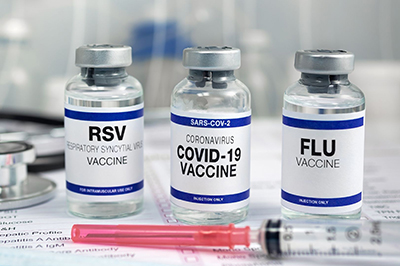
Flu, RSV, COVID-19, colds, and stomach bugs like norovirus are circulating most widely this season. Much of this season’s severity is tied to influenza A, particularly H3N2 strains. When flu A dominates, flu seasons tend to be more intense.
Flu season usually runs from October through May, with most cases happening between December and February. There is frequently a final surge at the end of flu season in March or April.
As soon as possible. It’s best to get your flu shot before October ends, but getting vaccinated at any point during flu season is still helpful since there is often a surge in the spring.
Talk to your primary care provider or check local pharmacies such as CVS, Walgreens, or Wegmans.
You can get the flu shot at any time in your pregnancy.
Usually, yes; check with your provider if unsure.
Yes, but the vaccine lowers risk and usually makes illness milder if you do get sick. This year’s circulating strain has also evolved differently from those included in the vaccine, meaning the vaccine’s ability to prevent infection has been limited—though it still offers protection against severe illness.
Wash hands frequently, stay home when sick, cover coughs, clean surfaces, and consider wearing a mask in crowded spaces.
If you start feeling sick, testing early matters. If you have the flu, anyone can receive treatment like Tamiflu within the first 48 hours of developing symptoms. Over-the-counter rapid tests that check for flu A and B as well as COVID-19 are widely available and can be helpful. If you think you might have norovirus, be sure to rest, drink fluids, and avoid preparing food for others, and see a doctor if you can’t keep fluids down or symptoms are severe. If you're experiencing nausea and vomiting, it is a good idea to get a flu test.
Visit a doctor or urgent care for severe symptoms (trouble breathing, high fever, dehydration); mild symptoms can often be managed at home or using a video visit.