
Tick and Mosquito Safety: What to Know Before You Head Outdoors
Key Takeaways
- Tick and mosquito bites are common during summer, but some can spread diseases such as Lyme disease and West Nile virus.
- In most cases, a tick must be attached for 24 to 36 hours to transmit Lyme disease.
- Checking yourself, children, and pets for ticks after spending time outdoors can help prevent illness.
- Most mosquito bites are harmless, but symptoms such as fever, severe headache, or neurological changes warrant medical attention.
- Prompt tick removal and early treatment of Lyme disease improve outcomes.
Tick and mosquito bites are a common part of summer in Upstate New York. While most bites are harmless, some can spread illnesses such as Lyme disease, anaplasmosis, and West Nile virus.
Infectious Diseases expert Brenda Tesini, MD, talks bug-related risks and explains what to watch for, how to protect yourself, and when to seek care
What Diseases Do Ticks and Mosquitoes Carry in New York?
That’s a tricky question, because it depends on the bug. They could. But there’s a big gap between what’s possible and what’s probable.
Lyme disease is by far the most common tick-associated disease in Upstate New York due to a high number of infected deer ticks. These ticks can also transmit other diseases such as anaplasmosis and babesiosis.
It’s important to know the symptoms and how to spot dangerous ticks.
Anaplasmosis and Lyme Disease
Lyme disease symptoms may include:
- Body aches and pains
- Rashes
- Neurological troubles like bad headaches, neck pain, or facial weakness
- Most infected people see a bull’s-eye patch at the tick bite site, but this can be hard to spot.
Anaplasmosis symptoms are fever, headache, muscle aches and weakness. Unlike Lyme disease, it does not usually cause a rash.
Not all ticks are infected with the bacteria that cause Lyme disease or anaplasma. If an infected tick bites a human, it cannot spread Lyme disease unless it’s attached for at least 36 hours. That’s why it’s so important to check yourself for ticks after coming inside.
When is Tick Season in New York?
Ticks become active when the weather stays above freezing, usually from April through November. The time of greatest concern is in late spring and early summer.
What Do Ticks Look Like?
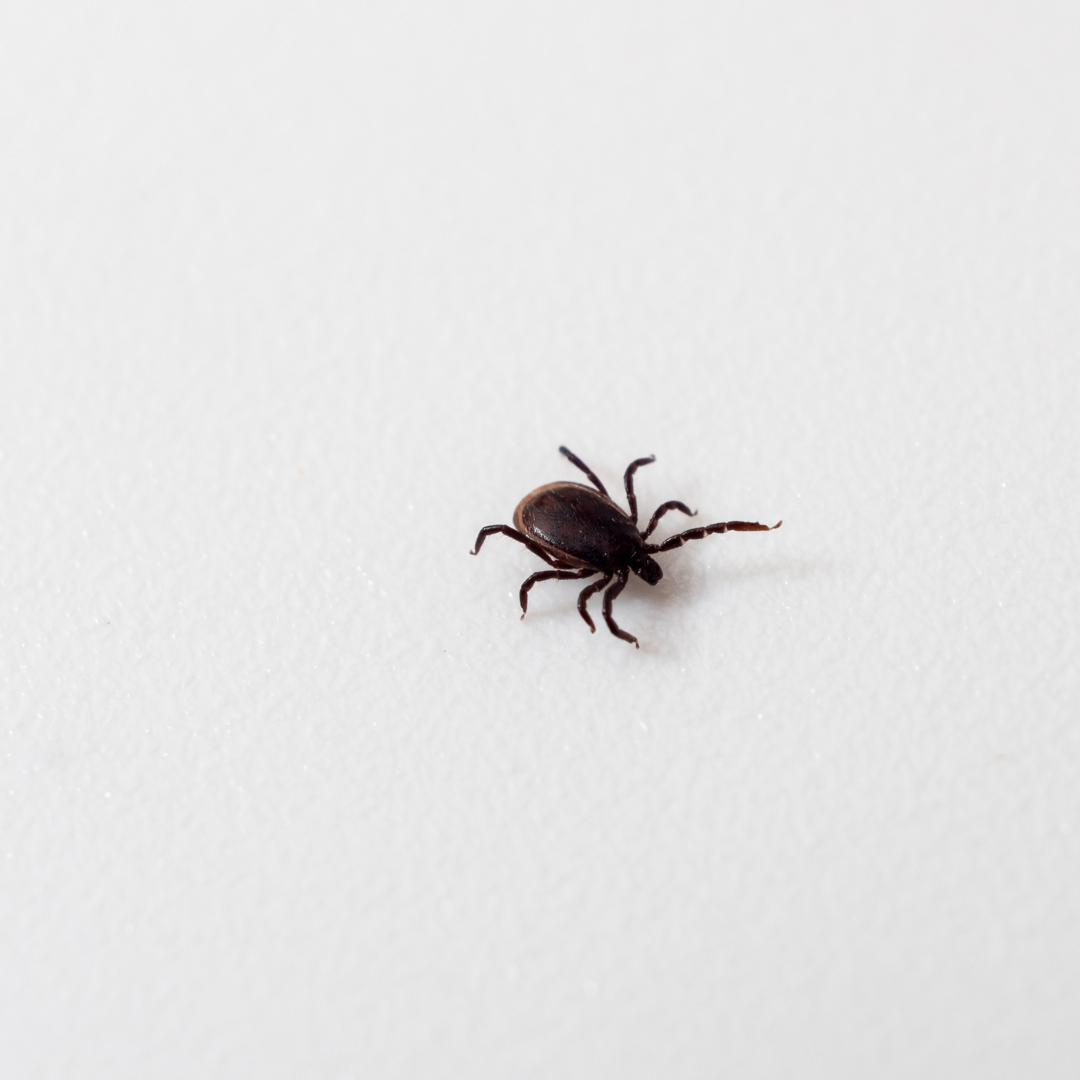
- Adult deer ticks are typically about the size of a sesame seed
- Immature nymph ticks can be as small as a poppy seed, making them difficult to spot.
- Deer ticks are reddish-brown with dark legs. Because they are so small, many people don't notice a tick bite until they find the tick attached to their skin.

Tick Bites: When to Seek Care
Learn tips on preventing ticks, checking for tick bites, and what to do if you find one on you.
Mosquitos and Disease Risk
Many wonder whether mosquito-borne infections like West Nile virus or malaria are a concern in New York. West Nile can occur in New York, and very rarely, the serious Eastern Equine encephalitis (EEE) infection is seen.
There is no current cause for concern about malaria in New York. But if you’re traveling to malaria-endemic areas outside the US, it’s important to ask your medical provider if you should take medications to prevent malaria. Additionally, you should use mosquito repellents.
What is West Nile virus?
West Nile virus is spread through mosquito bites. Although many people infected with West Nile don’t have symptoms, mild cases may cause fever, headache, or a skin rash, and most people recover completely. Extreme, rare cases might include convulsions, muscle weakness, paralysis, and even dangerous infection of the brain (meningitis/encephalitis).
How to Prevent Mosquito Bites
There are many ways to keep mosquitoes away:
- Use bug spray or mosquito spray for your yard.
- Make sure window and door screens are free of rips and tears.
- Rid your yard of stagnant water and change out water in birdbaths.
Other mosquito-borne diseases include Zika virus, chikungunya virus, and dengue. These diseases are uncommon in the United States (aside from Puerto Rico).
When to Seek Care
If you’re concerned about a tick or mosquito bite, reach out to a health care provider or begin a Virtual Urgent Care visit. Seek care after a tick or mosquito bite if you experience:
- Fever
- Rash
- Severe headache
- Facial weakness
- Muscle weakness
- Confusion
- Symptoms that worsen after a bite.
Safet, Healthier Summers
Explore our Summer Health and Safety Guide for expert tips on heat, hydration, bug bites, sun protection, water safety, and when to seek care.
Connect with us!