
Bone Density Scans (DEXA): What They Show About Your Osteoporosis Risk
Key Takeaways
- A DEXA scan is a fast, painless imaging test that measures bone density and helps detect osteoporosis early.
- Osteoporosis often has no symptoms until a fracture happens, making screening important for people at higher risk.
- DEXA scan results help your provider personalize your care and guide the right screening plan for you.
- If you’re over 65 or have risk factors like fractures or certain medications, you should ask your doctor about a bone density scan
A DEXA scan is an osteoporosis screening that gives you and your physician vital information about your bone health.
For many adults, the first sign of osteoporosis is a serious fracture. The consequences can be devastating.
“Among older adults who suffer a hip fracture, a year later one-third of them are living normally, one-third develop a major disability, and one-third will be dead,” said Paul Rubery, MD, the Marjorie Strong Wehle Chair and Professor of Orthopaedics at the University of Rochester.
But a simple, painless DEXA bone density scan can detect bone loss early, giving patients time to protect their bone health, prevent fractures, and get treatment.
Why Bone Density Matters
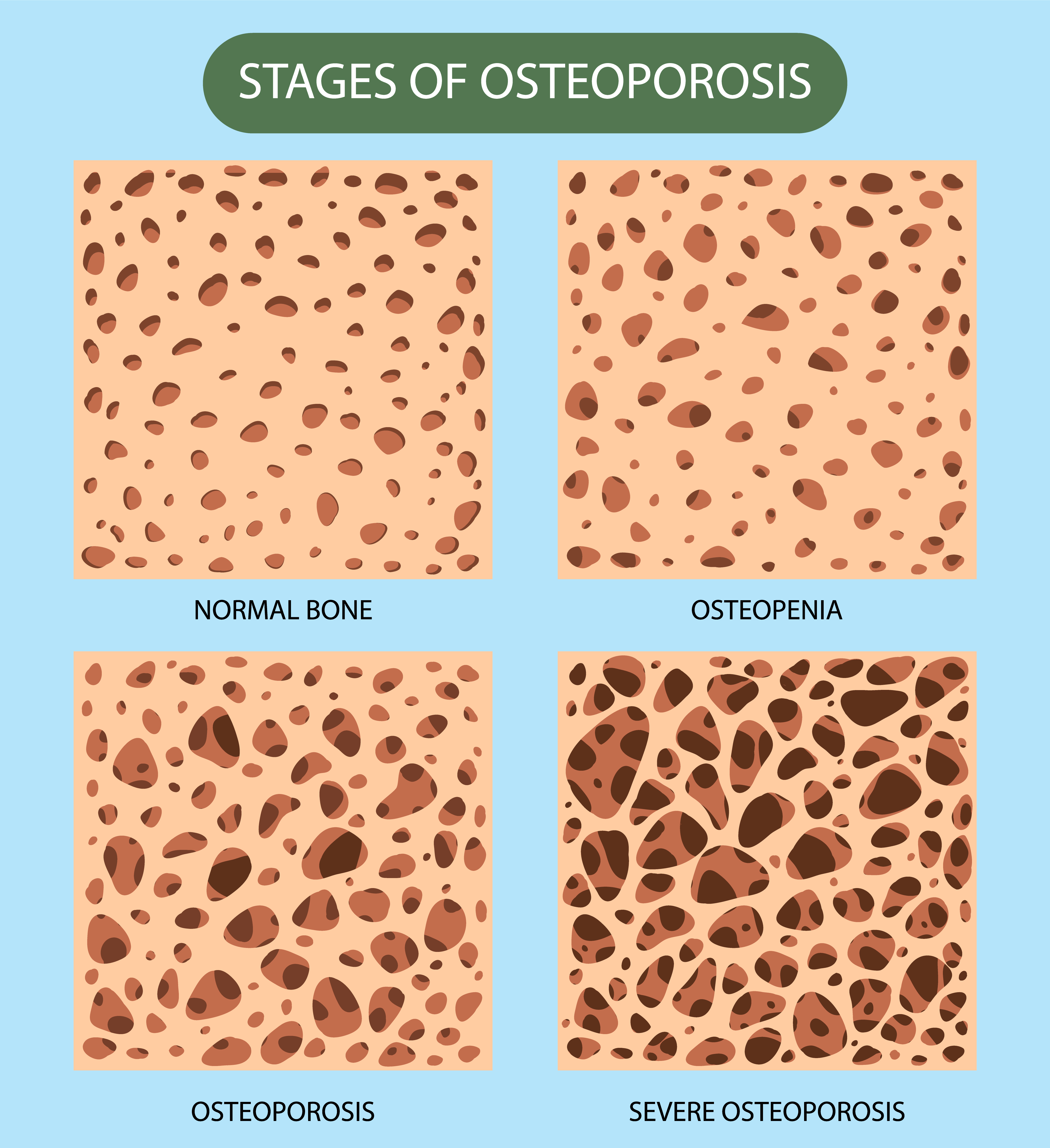
Our skeleton is in a constant state of maintenance throughout our lives: Our body continuously breaks down bone and rebuilds it. As we get older, our ability to build bone slows, so we start to lose bone mass.
Osteoporosis changes the density and structure of bone, leaving people at greater risk of fractures and accompanying health issues, often without any symptoms.
“Osteoporosis is completely silent until it’s not,” said Dr. Rubery. “Fracture prevention is incredibly valuable in maintaining vitality and independence.”
What is a Bone Density (DEXA) Scan?
Understanding Your DEXA Scan Results
The T-score tells you whether you have normal bone density, low bone density (osteopenia), or osteoporosis (more advanced bone loss).
- A score of -1 or higher is considered normal.
- A score between -1 and -2.49 signals low bone density.
- A score of -2.5 or lower indicates osteoporosis.
Why is a T-score of -1 considered "normal"?
“The T-score is more about statistics,” Dr. Rubery said. “DEXA measures your bone strength by comparing to the bones of a healthy young adult. Anyone older than 35 is going to have a negative number.”
Who Should Get a Bone Density Scan?
Bone density scans are recommended for people at higher risk of osteoporosis or bone fractures, including:
Do women with breast cancer need routine DEXA scans?
Women who have estrogen-positive breast cancer may receive a treatment called an aromatase inhibitor, which can lower a woman's estrogen and negatively impact bone health.To reduce this risk, women starting aromatase inhibitors often have a DEXA scan to check their bone density. If osteoporosis or osteopenia is found, women can be prescribed a bone-modifying agent to stabilize their bone density. DEXA scans are often repeated every few yearsto ensure any changes to your bones are detected early.
Breast cancer survivors should keep an eye on bone health during and following breast cancer treatment.
- Women over age 65
- Men over age 70
- Adults of any age who have had a fragility fracture (from a fall at a standing position)
- People taking medications that can weaken bones, including steroids, anti-seizure medicines, or aromatase inhibitors for breast cancer
- Those with a family history of osteoporosis (if your mother or a sister had osteoporosis, your odds of postmenopausal bone loss are higher. If so, discuss DEXA scan timing with your physician)
Dr. Rubery says one group is often overlooked: people in their 50s who suffered a fragility fracture. They don’t get scanned as often as they should, and they often don’t get adequate treatment, which is the best way to prevent additional fractures.
If you are at the age when a DEXA scan is recommended, or you have risk factors for osteoporosis, talk with your primary care physician or OBGYN to request a referral for a DEXA scan.
Catching Osteoporosis Early
Learn about lifestyle changes, nutrition, and medications that can help, and understand if screening is right for you.
Connect with us!