Osteoporosis
Full Range of Care for Osteoporosis
Make Appointments & Get Care
What is Osteoporosis?
Osteoporosis is a condition that causes bones to become weak, thin, and more likely to break. The word osteoporosis means “porous bones.” Healthy bones naturally contain small spaces, but osteoporosis causes those spaces to become larger, making bones less dense and easier to fracture.
Who Is at Risk for Osteoporosis?
Osteoporosis can affect anyone, but several factors can increase your risk. Common risk factors include:
- Women over age 65
- Men over age 70
- Family history of osteoporosis
- Small or thin body size
- Smoking or recent smoking history
- Drinking more than one to two alcoholic beverages daily
- Low levels of physical activity or weight-bearing exercise
- Diets low in calcium or vitamin D
- Menopause or low testosterone levels
- Long-term use of medications such as steroids, some cancer treatments, antacids, or anti-seizure medications
- People with medical conditions including:
- Rheumatoid arthritis
- Inflammatory bowel disease
- Thyroid disorders
- Parathyroid disorders
- Other inflammatory conditions

Strong Bones – Strong Life
If you're at risk for, or have recently been diagnosed with, osteoporosis take the next step in your care. Univeresity of Rochester Medicine Orthopaedics can help prevent and manage osteoporosis. Contact us today to schedule an evaluation and take control of your bone health.
What Are the Symptoms of Osteoporosis?
Often called a “silent disease,” many people don’t know they have osteoporosis until they break a bone after a minor fall or injury.
Symptoms of osteoporosis may include:
- Loss of height over time
- Stooped posture or curvature of the spine
- Back pain caused by spinal fractures
- Broken bones after minor falls or injuries
- Pain and reduced mobility
The most common fracture locations include:
- Hip
- Spine (often called compression fractures)
- Wrist or forearm
By the Numbers

1 in 3 women experience a bone fracture from osteoporosis after age 50
Treatments for Osteoporosis
How Is Osteoporosis Diagnosed?
University of Rochester Medicine uses advanced testing and imaging to diagnose osteoporosis and assess fracture risk.
Bone Density Testing (DEXA Scan)
A DEXA scan, also called a bone density test, measures bone strength and helps identify osteoporosis or osteopenia.
Additional Testing May Include:
- Blood tests to check:
- Calcium levels
- Vitamin D levels
- Hormone levels
- Kidney function
- X-rays to identify fractures or bone loss
- CT scans or other specialized imaging in certain cases
Sometimes osteoporosis is first diagnosed after a fracture occurs without major trauma.
How is Osteoporosis Treated?
Our experts will work with you to determine a personalized treatment plan. Treatments can include:
- Diet changes
- Drug therapy
- Physical activity
- Assistive devices
- Calcium supplements

Osteoarthritis vs. Osteoporosis: What's the Difference?
Two of the most common bone and joint conditions—osteoarthritis and osteoporosis—are often confused, even though they affect the body differently. So, what’s the difference? And how can you protect yourself from both?
What Sets Us Apart?
University of Rochester Medicine provides coordinated osteoporosis care through a fully integrated academic health system.
Our specialists in endocrinology, orthopaedics, rheumatology, geriatrics, and imaging work together to diagnose bone loss early, reduce fracture risk, and help patients maintain independence and mobility.
Patients benefit from:
- Advanced bone density testing
- Personalized osteoporosis treatment plans
- Access to specialists across multiple disciplines
- Fracture prevention expertise
- Convenient care locations throughout the region
- Research-informed care based on the latest advances in bone health
Our rheumatologists in Allergy, Immunology & Rheumatology treat osteoporosis caused by rheumatoid arthritis, psoriatic arthritis or spondyloarthritis, as well as steroid-induced osteoporosis.
Endocrinologists with Endocrinology, Diabetes and Metabolism help identify hormonal imbalances or other conditions that are causing bone loss.
The specialists in Orthopaedics & Physical Performance are experts in fracture care. We are the only program in the Rochester metropolitan area and surrounding region that can diagnose and treat children as young as 5.
Providers
Locations
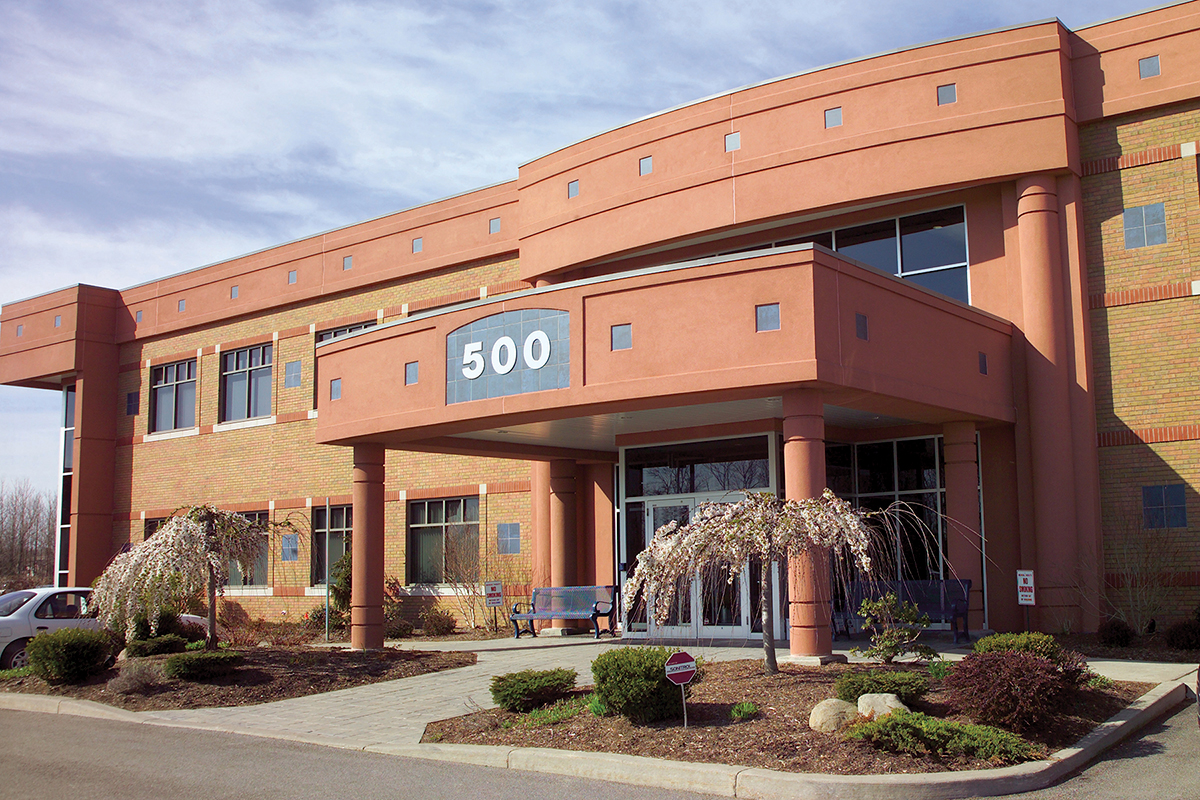
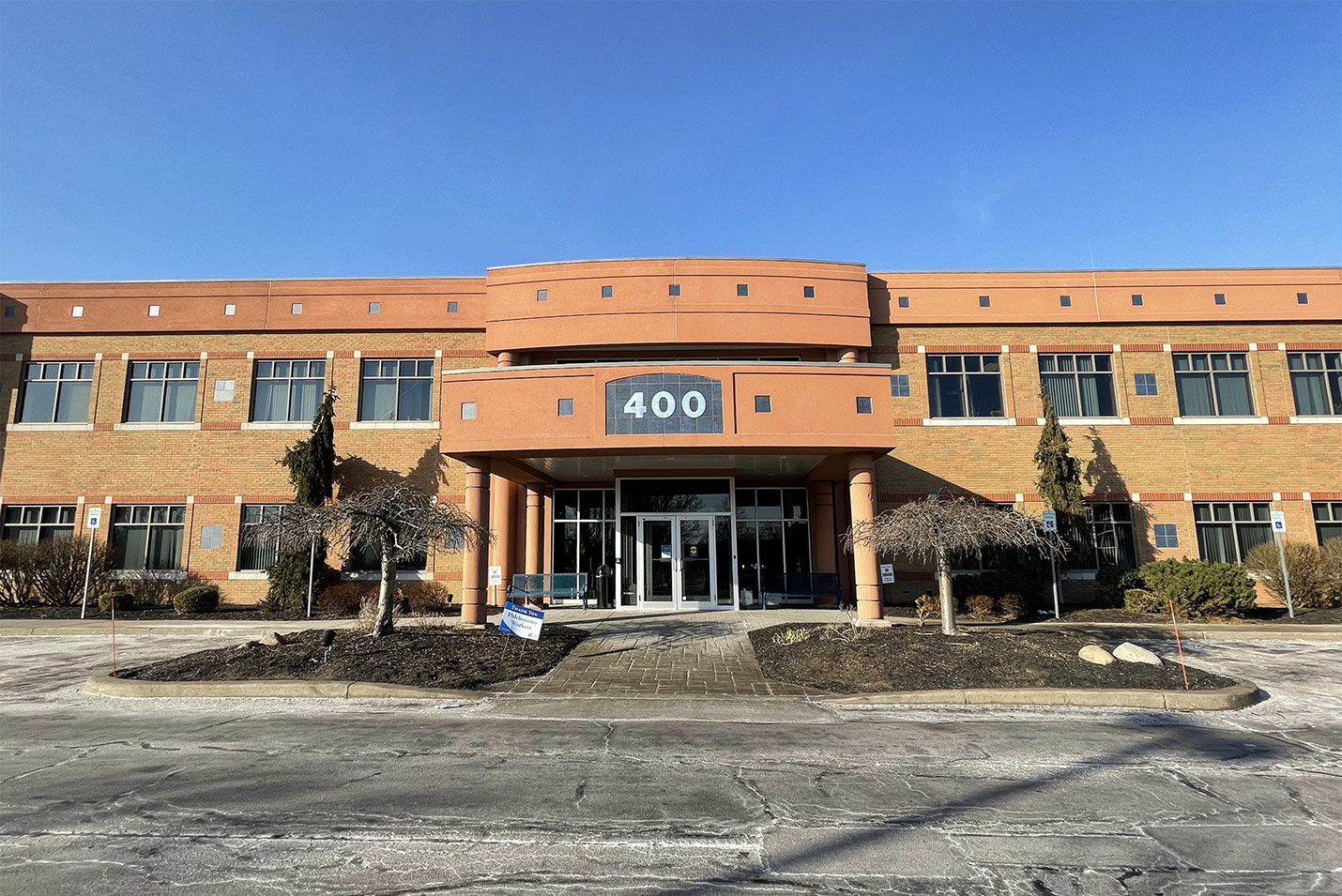
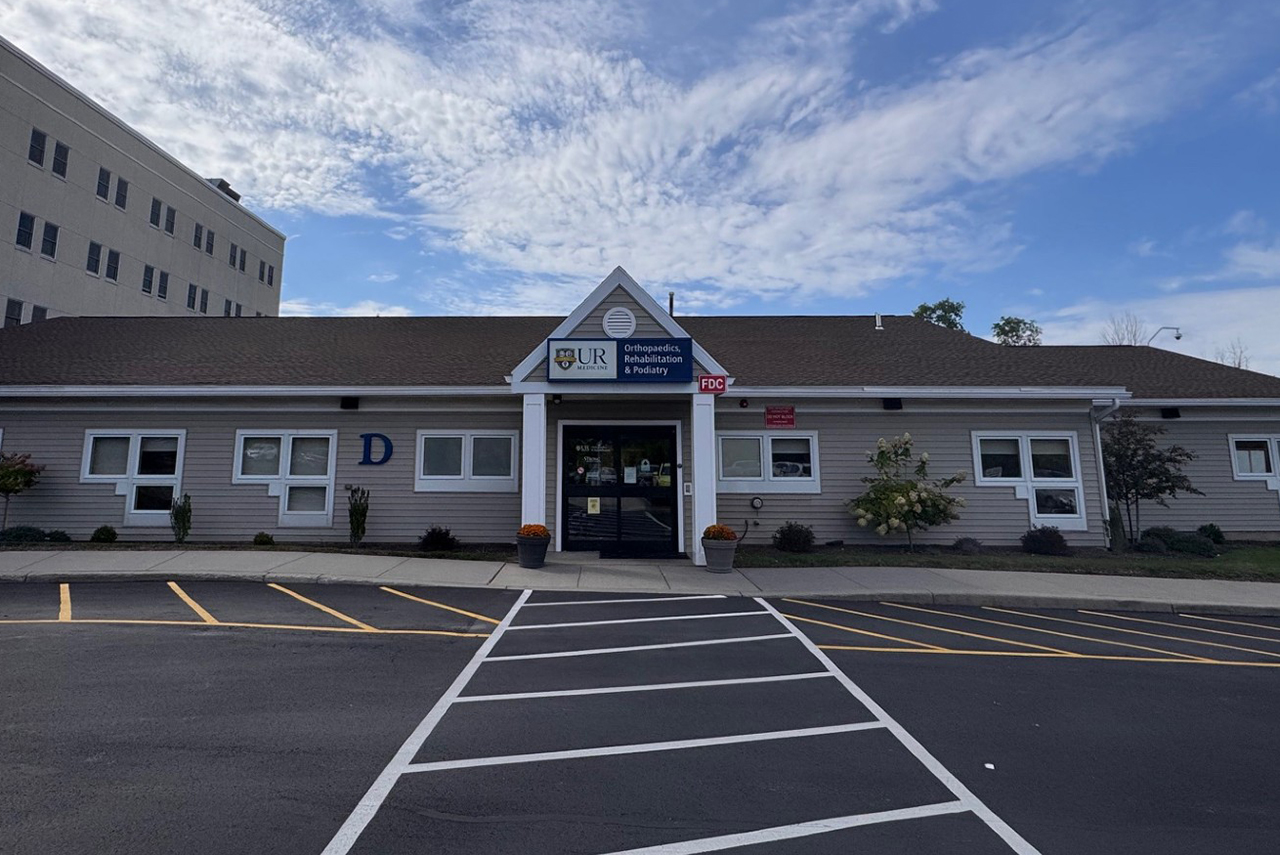
View All LocationsWe serve you in the Rochester metropolitan area and surrounding region. Locations are ordered by distance, with those closest to listed first.
7 locations
Patient Education & Support
Nutrition and Exercise for Bone Health
Strong bones support mobility, balance, and overall health. Healthy habits can help prevent bone loss, reduce fracture risk, and support osteoporosis treatment.
To support bone health:
- Eat a balanced diet rich in calcium and vitamin D
- Stay physically active
- Avoid smoking
- Limit alcohol intake
- Talk with your doctor about your bone health risk factors
Calcium and Bone Health
Calcium helps build and maintain strong bones. If your body does not get enough calcium from food, it may take calcium from your bones, which can weaken them over time.
The recommended daily calcium amount is:
- Ages 19–50: 1,000 mg daily
- Ages 51 and older: 1,200 mg daily
Foods High in Calcium
- Milk
- Yogurt
- Cheese
- Sardines
- Kale
- Broccoli
- Fortified orange juice
Calcium Supplements
Two common calcium supplements include:
- Calcium carbonate
- Usually taken with food
- Calcium citrate
- Easier to absorb and often preferred
Vitamin D and Bone Health
Vitamin D helps the body absorb calcium and supports muscle strength and balance, which can help reduce falls and fractures.
The recommended daily Vitamin D amount is:
- Under age 50: 400–800 IU daily
- Age 51 and older: 800–1,000 IU daily
Sources of Vitamin D
- Sunlight
- Fatty fish such as salmon and swordfish
- Fortified milk and cereals
- Vitamin D supplements
Vitamin D Supplements
- Vitamin D2 (ergocalciferol) is usually prescription-based
- Vitamin D3 (cholecalciferol) is commonly available over the counter
Exercise and Osteoporosis Prevention
Exercise helps strengthen bones, improve balance, and reduce the risk of falls and fractures. Weight-bearing and muscle-strengthening exercises are especially important for bone health.
Talk with your doctor before starting a new exercise program, especially if you have osteoporosis, heart disease, or balance concerns.
Patients with osteoporosis should avoid exercises that twist or bend the spine aggressively.
Weight-Bearing Exercises
Low-Impact Options
- Walking
- Elliptical training
- Low-impact aerobics
Higher-Impact Options
- Running
- Dancing
- Tennis
- Stair climbing
- Jump rope
Muscle-Strengthening Exercises
- Weight training
- Resistance bands
- Balance exercises
- Standing heel raises
Related Services & Conditions
- Psoriatic Arthritis
- Spondyloarthritis
- Bone Disease
- Rheumatoid Arthritis
- Geriatric Fractures
- Bone Fractures
- Celiac Disease
- Bone Health
- DEXA Scan
- Low Bone Density (Osteopenia)
- Orthopaedics & Physical Performance
- Allergy, Immunology & Rheumatology
- Endocrinology, Diabetes & Metabolism
- Geriatrics & Aging