DEXA Scan
Make Appointments & Get Care
What is a DEXA Scan?
A DEXA scan, also called a bone density test, is a quick, painless imaging test that measures bone strength, assesses fracture risk, and helps identify osteoporosis. University of Rochester Medicine uses DEXA scans to detect bone loss early, diagnose osteoporosis, and help patients protect their long-term bone health.
Who Should Get a DEXA Scan?
Your doctor may recommend a DEXA scan if you are at higher risk for osteoporosis or fractures.
You may need a DEXA scan if you are:
- A woman age 65 or older
- A man age 70 or older
- A postmenopausal woman with risk factors for bone loss
- A woman over age 50 who has had a fracture
- Taking medications that can weaken bones, such as corticosteroids or high-dose thyroid medication
- Over age 50 with rheumatoid arthritis
- Experiencing loss of height greater than one inch
- Currently receiving treatment for osteoporosis
- Diagnosed with primary hyperparathyroidism
Who Should Not Get a DEXA Scan?
Pregnant women should not undergo a DEXA scan.
Our Approach
DEXA scans are key for diagnosing and treating osteoporosis—a disease in which bones become weak and fragile as they become less dense or their structure changes. URochester Medicine is home to some of the nation’s top experts in detecting, treating, and supporting patients with osteoporosis. We will walk you through every step from diagnosis to treatment.
What to Expect During a DEXA Scan
Before the Scan
- Stop taking calcium supplements 24 hours before your exam.
- Most scans take about 30 minutes.
- You may be asked to avoid clothing with metal zippers or buttons.
During the Scan
- You will lie on a padded table. You will need to lie still and may be asked to hold your breath at times.
- The scanner will pass over your body, focusing on the areas being examined.
- The test uses a very low dose of radiation.
After the Scan
- You can resume your normal activities immediately.
- Your doctor will review the results and discuss them with you, including any necessary follow-up or treatment plans.
- Most patients repeat DEXA scans every two years, depending on previous results and risk factors.
Understanding Your DEXA Scan Results
DEXA scan results are reported as a T-score. A T-score compares your bone density to the bone density of a healthy young adult of the same sex and similar background.
- Positive scores mean bone density is above average
- Negative scores mean bone density is lower than average
T-Score Categories
| T-Score | Diagnosis | Fractures Risk |
|---|---|---|
| -1.0 or higher | Normal bone density | None |
| -1.1 to -2.4 | Osteopenia | Increased |
| -2.5 or lower | Osteoporosis | High |
| -2.5 or lower | Sever Osteoporosis | Very High Fracture |
What is a Z-Score?
A Z-score compares your bone density to people your own age and sex. Z-scores are most commonly used in:
- Children
- Premenopausal women
- Men younger than 50
FRAX Fracture Risk Assessment
Your provider may use the FRAX tool to estimate your risk of breaking a bone within the next 10 years.
FRAX combines DEXA scan results with other risk factors to help guide treatment decisions.
Treatment for osteoporosis may be recommended if:
- Hip fracture risk is greater than 3%
- Major osteoporotic fracture risk is greater than 20%
What Sets Us Apart?
University of Rochester Medicine combines advanced imaging technology with nationally-recognized expertise in osteoporosis and metabolic bone disease care.
As part of a fully integrated academic health system, our specialists in imaging, orthopaedics, endocrinology, rheumatology, and bone health work together to diagnose bone loss early and help prevent fractures before they happen.
Patients benefit from:
- Advanced bone density imaging technology
- Coordinated care across specialties
- Personalized osteoporosis treatment plans
- Access to leading experts in bone health and fracture prevention
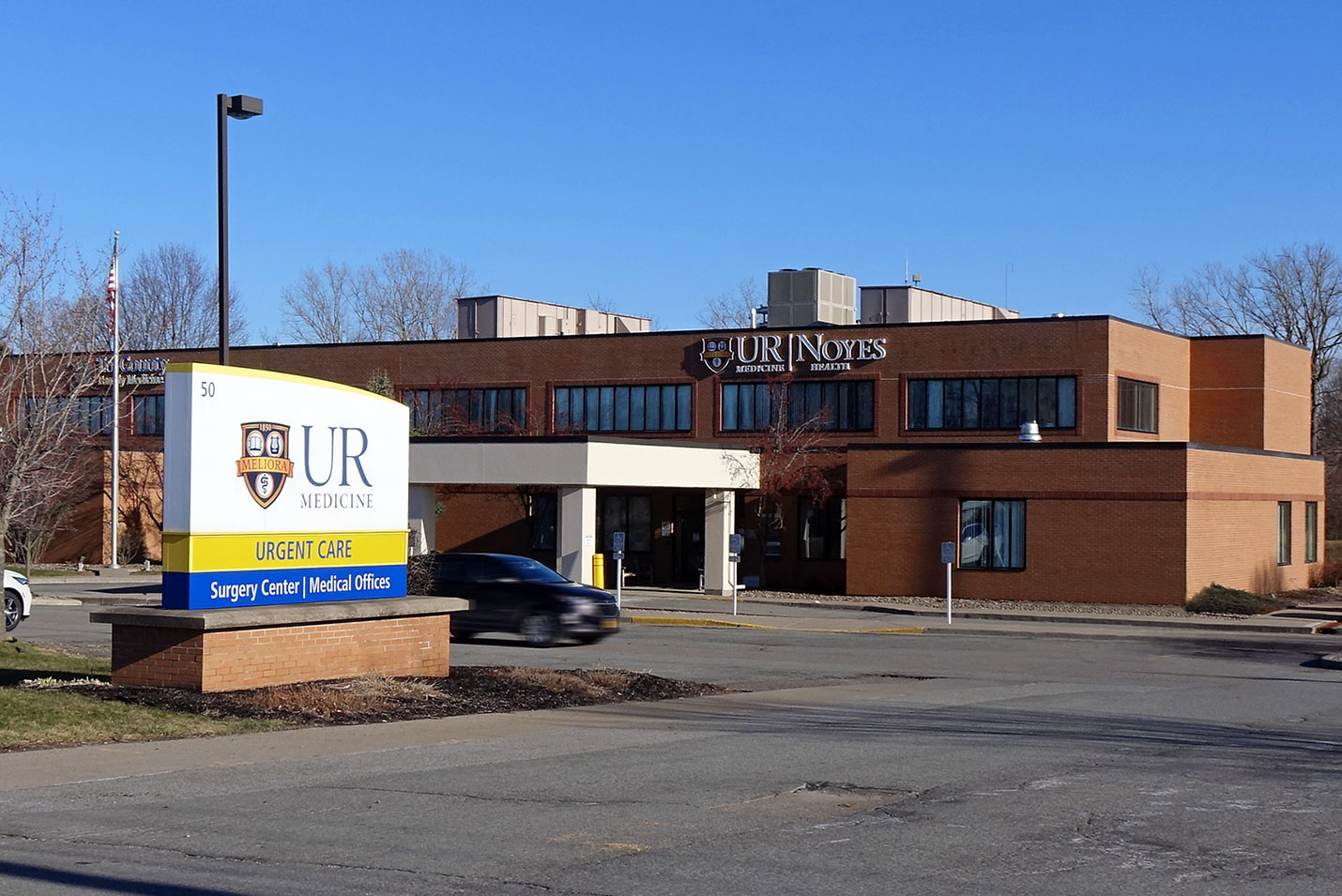
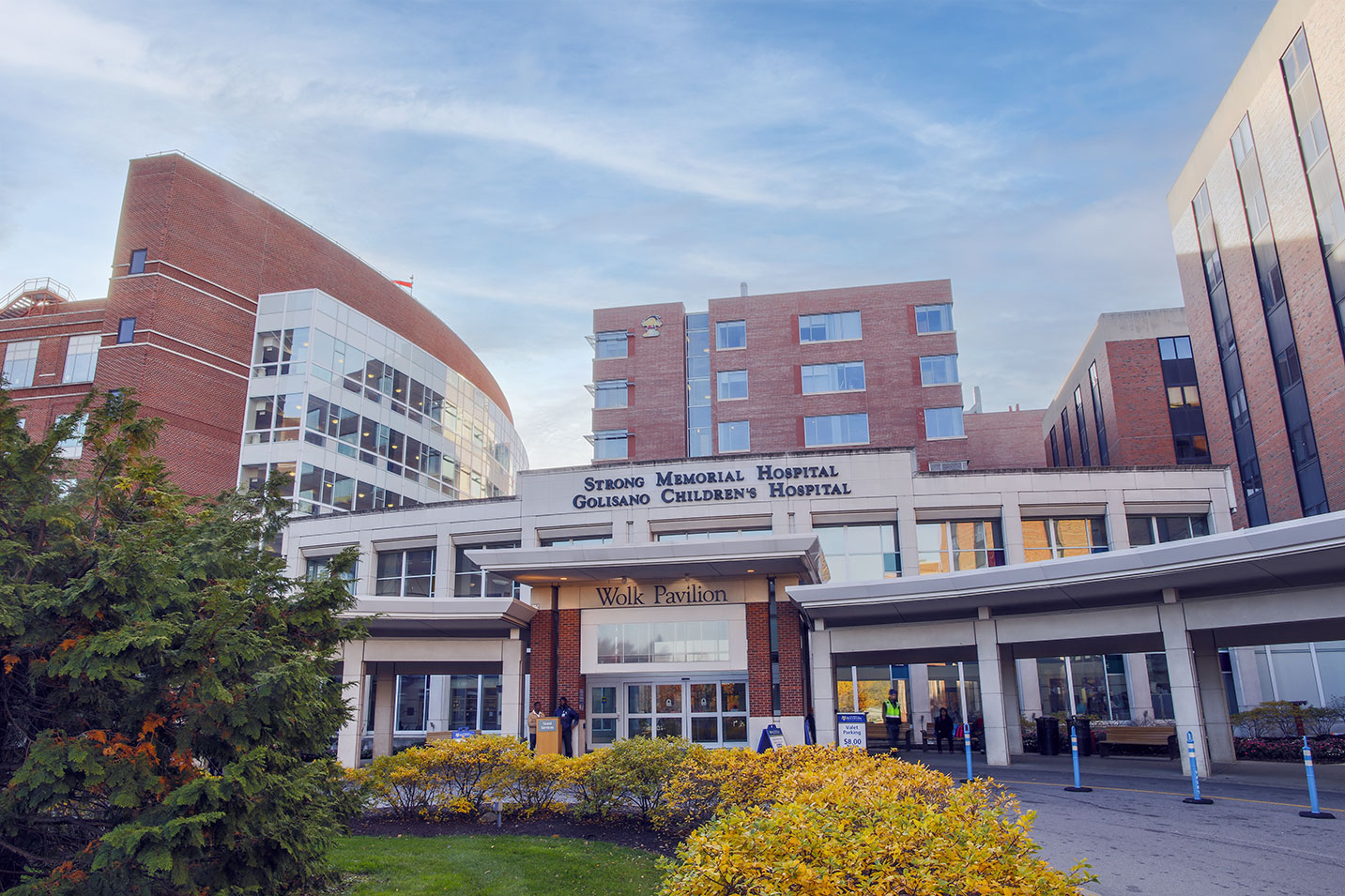
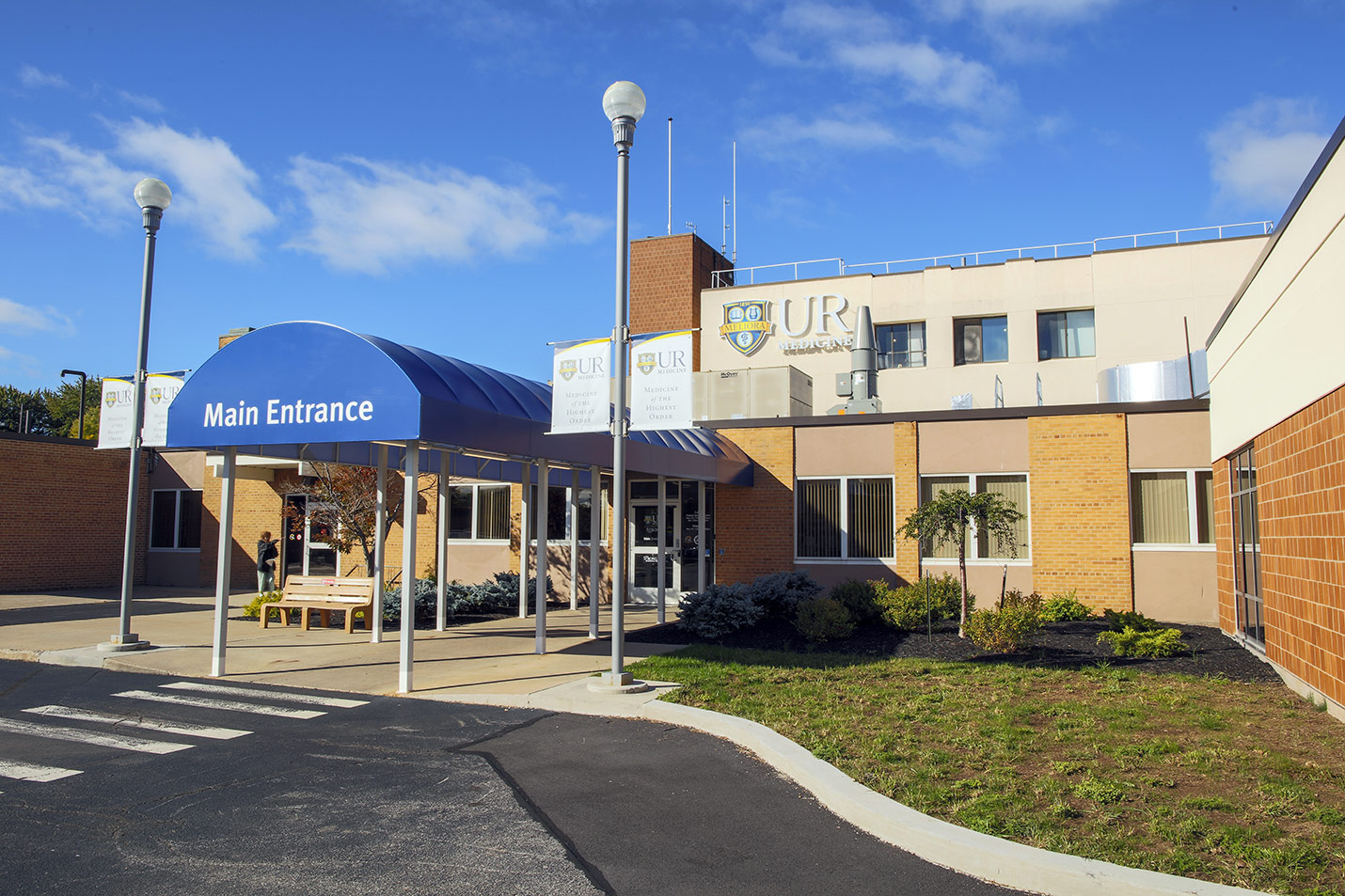
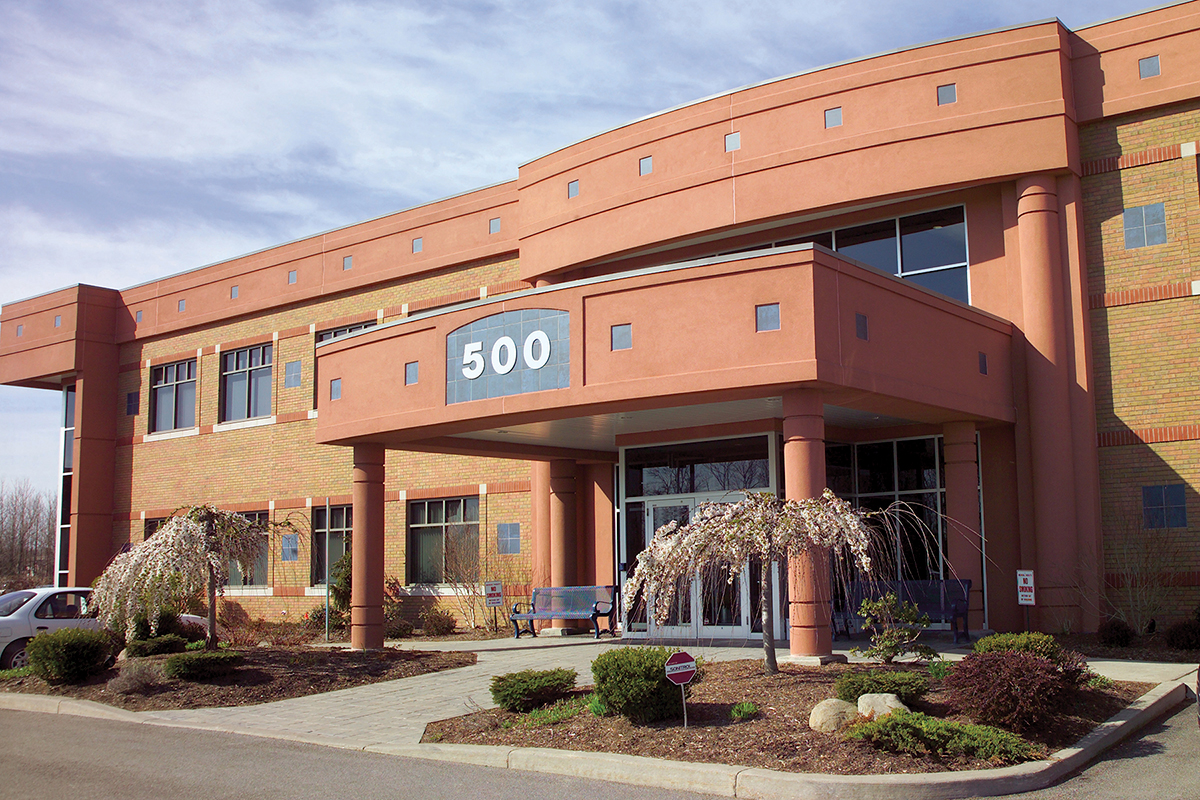
- Convenient imaging locations across the region
Appointment Information
Need to schedule a DEXA scan?
If you previously had a DEXA scan and need a follow-up appointment, please schedule your follow-up appointment at the same location.
For first time DEXA scans, click or tap "Find a Location" to find a convenient location close to home.
Providers
Locations
View All LocationsWe serve you in the Rochester metropolitan area and surrounding region. Locations are ordered by distance, with those closest to listed first.
13 locations