

What Happens When You Stop Taking a GLP-1?
Key Takeaways
- Most people regain some weight after stopping a GLP-1, but building healthy habits early can help you maintain your progress.
- Increased hunger after stopping the medication is a normal biological response—not a lack of willpower.
- Nutrition, regular physical activity, sleep, and ongoing support all play a role in lifelong weight management.
- Because obesity is a chronic disease, GLP-1 medications are often recommended as long-term treatment.
- Talk with your URochester Medicine provider before stopping a GLP-1. They can help you take the next best step for your goals and your health.
Millions of people have lost weight and improved their health with GLP-1 medications such as Wegovy, Zepbound, and Ozempic. But if you've reached your goal weight, are dealing with side effects, or your insurance no longer covers treatment, you might ask: What happens if I stop taking it?
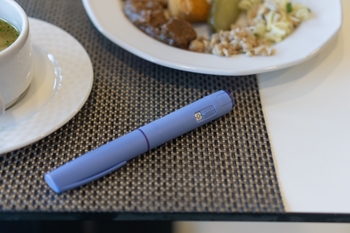
After stopping a GLP-1, you’ll likely feel your appetite start to creep back—making it harder to keep the weight off.

Weight Management Event
Join us in-person for expert advice and evidence-based insights on weight management.
Wednesday, Sept. 30, 5:30-7:30 p.m., Ferris Hills at West Lake
"The most important thing to understand is that obesity is a chronic, relapsing disease," says Susan Gasparino, MD, MPH, medical director of Clinical and Community Programs at University of Rochester Medicine Center for Community Health & Prevention. "For patients who need medication to manage obesity, long-term treatment is often recommended."
Here's what could happen after stopping a GLP-1, why your body reacts the way it does, and what can help you hold on to your results.
Why Do People Regain Weight After Stopping a GLP-1?
Gaining weight after stopping a GLP-1 is not a matter of willpower.
As you lose weight, your body naturally adapts; it produces less of the hormones that help you feel full and more of the hormones that trigger hunger. That's why many people notice they're hungrier after stopping the medication.
"The human body has many mechanisms in place to protect against what it perceives as undernutrition," Gasparino explains. But biology is only part of the picture. Stress, changing routines, emotional health, sleep, and your food environment can all influence weight loss and your overall health.
If you're struggling to maintain or manage weight loss, our bariatric surgery experts at Highland Hospital can work with you to understand your options. Connect with our team or watch our seminar.
Will You Definitely Regain Weight After Stopping a GLP-1?
Research, including several large clinical trials, consistently shows that many people regain a significant portion of the weight they lost after stopping GLP-1 medications.
These studies reinforce an important point: Reaching your goal weight isn't the end of obesity treatment.
However, it isn’t all or nothing. People who continue prioritizing healthy eating, regular physical activity, and ongoing support are often able to limit weight regain while maintaining the healthy habits they’ve developed.
How Long Should You Stay on a GLP-1?
GLP-1s aren't usually meant to be a quick fix. For many people, they're one part of treating obesity as a lifelong chronic disease. However, the right answer looks different for different people.
People stop taking GLP-1 medications for many reasons, including:
- Changes in insurance coverage
- Side effects, even after lowering the dose
- The medication is not working as expected
Your care team can help you weigh those factors and decide whether staying on the medication, adjusting your dose, or transitioning off treatment is the best approach for you.
The Habits That Matter Most Before You Stop
The best time to prepare for life after a GLP-1 isn't after you stop taking it—it's while you're still taking it. These medications are a tool—the lifestyle habits you build alongside them are what support long-term success.
Gasparino encourages patients to build sustainable habits from the beginning, including:
- Eating balanced, nutrient-rich meals
- Prioritizing protein, fiber, and hydration
- Developing a consistent exercise routine
- Getting enough sleep
- Keeping healthy snacks readily available
- Building a strong support system
- Practicing mindful eating
- Managing stress
Another important habit: Lean on your entire healthcare team—physicians, registered dietitians, exercise professionals, and mental health providers. They’re part of that strong support system.
How Much Exercise Do You Really Need?

Regular exercise is one of the best ways to maintain weight loss. Research shows that people who successfully keep weight off over the long term tend to stay physically active—and many do more than the minimum amount of exercise recommended for adults.
The Centers for Disease Control and Prevention recommends at least 150 minutes of moderate-intensity physical activity each week. But studies suggest people who sustain weight loss over several years often average closer to 300 minutes per week of leisure-time physical activity.
That doesn't mean you need to jump from zero to 300 minutes overnight. Instead, focus on building a routine you can realistically keep up over time. Even small increases in physical activity can improve your health and make it easier to preserve your progress.
Why Nutrition Still Matters After the Medication Stops
Without the medication's appetite-suppressing effects, the eating habits you build while taking the medication are some of the most important tools for managing weight regain.
Focus on habits that help you feel less hungry and support your overall health:
- Prioritize protein to help preserve lean muscle mass and keep you feeling fuller longer.
- Get enough fiber and water, which can help manage hunger and support digestion.
- Plan balanced meals and snacks, so you're more likely to reach for nutrient-dense options as your hunger returns.
The joy of eating shouldn't disappear. Nutrition isn't just about weight—it's about supporting your overall health.
Why Maintaining Weight Loss Can Feel Harder Than You Expected
It's easy to forget just how much planning, consistency, and effort it took to lose the weight in the first place. In fact, researchers have a name for that forgetfulness: “commitment amnesia.”
As life changes, priorities shift, stress increases, and motivation naturally comes and goes.
Rather than relying on motivation alone, Gasparino encourages patients to reconnect with the reasons they wanted to improve their health—and lean on the people who can help them stay on track.
Experts at URochester Medicine Center for Community Health & Prevention use Self-Determination Theory, a framework developed here at the University of Rochester that focuses on three basic psychological needs: autonomy, competence, and connection.
Supporting those needs can help you build lasting motivation long after the initial excitement of weight loss has faded.
Talk with Your Care Team Before Stopping GLP-1s
If you're thinking about stopping a GLP-1, don't make the decision on your own.
Before you stop, talk with your healthcare team about:
- Why you're considering stopping
- Whether adjusting your dose is an option
- How to build a nutrition and exercise plan
- Ways to prepare for increased hunger
- What kind of follow-up support you'll need
The goal isn't simply to lose weight. It's to build habits that support your health for years to come.