


Pediatric Hematology/Oncology Fellowship Program
Pediatric Hematology/Oncology Fellowship Program
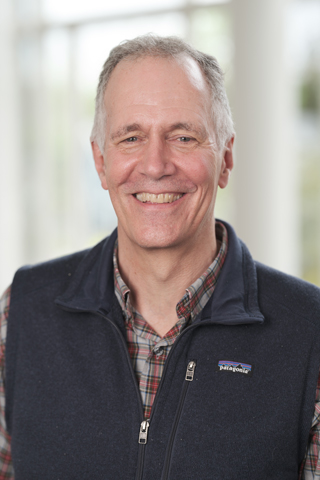
John Horan, M.D., M.P.H.
Fellowship Program Director
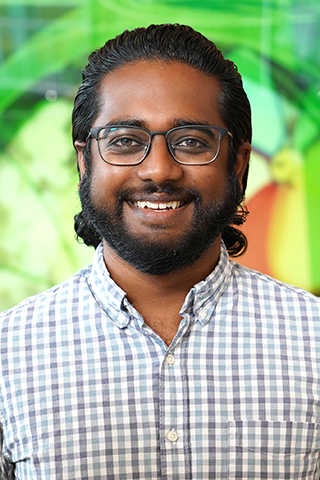
Rafi Kazi, M.D.
Fellowship Associate Director
Welcome from the Program Director
We invite you to learn about our Pediatric Hematology/Oncology Fellowship Program at the University of Rochester and welcome you to explore life in Upstate New York! The University of Rochester offers an ACGME-accredited Pediatric Hematology Oncology Fellowship Program designed to prepare physicians for rigorous careers as clinicians, educators and academicians. Fellows benefit from a personalized educational experience with mentorship by dedicated faculty, many of whom are nationally recognized as accomplished clinicians and published research investigators.
Why Choose Our Program?
Our Faculty
We are a warm, welcoming, supportive and fun group, who are committed to the well being and success of our fellows. With the recent growth in our program and the addition of several new faculty, we have varied areas of clinical expertise within pediatric hematology-oncology, spanning the gamut of subspecialities in oncology (neuro-oncology, solid tumors, hematologic malignancies, survivorship), hematology (sickle cell disease, hemostasis and thrombosis, immunohematology, bone marrow failure and transfusion medicine) and blood and marrow transplantation (malignant, primary immune disorders, non-malignant hematologic disorders). We also have PHO faculty trained in palliative care, who attend on the palliative care service. Further, we are an academically diverse group, encompassing faculty who perform innovative laboratory research, who lead national multicenter clinical studies, who teach narrative medicine and health humanities and who are passionate about quality improvement. Finally, we are socially engaged, both locally, partnering with local patient groups and organizations, and globally, helping to improve cancer care for children in Africa, Latin-America and elsewhere.
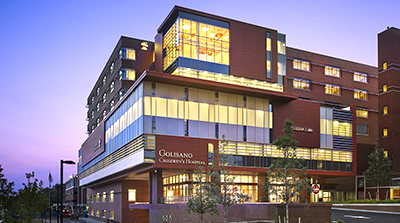
Hematology/Oncology Earns National Honor
Golisano Children’s Hematology/Oncology program has been recognized as one of the nation’s best in the U.S. News & World Report’s Best Children’s Hospital rankings
Our Patients
You will love our patients! The City of Rochester and the Finger Lakes Region are home to a culturally and economically diverse population with refugees and other immigrants from Latin America, Africa, Asia and the Middle East, a vibrant LGBTQ+ community, the largest per capita deaf and hard of hearing population in the U.S. and large Amish and Mennonite communities. We are fortunate to have the services of a devoted, talented and creative group of social workers, patient navigators and care coordinators to meet the needs of the children and adolescents we care for.
We are committed to community engagement. This is highlighted by the University of Rochester-Tiger Medicine Program. Three times a year, we host 10th grade students from Rochester Prep High School for lunch and learning. We teach the students about sickle cell disease, acute leukemia, Wilm’s tumor and other cancer and blood disorders and while doing so, expose them to the breadth of potential careers within healthcare. The students are inquisitive, funny and appreciative.
University of Rochester Medicine
URochester Medicine is one of the nation’s top academic medical centers. Pediatric Hematology-Oncology is part of URochester Medicine’s Wilmot Cancer Institute, a National Cancer Institute Designated Cancer Center and Upstate NY’s largest and busiest cancer center. We are also part of Golisano Children’s, a state-of-the-art facility and quaternary care center that provides medical and surgical subspecialty care for children across Upstate NY. Our pediatric surgery team is excellent. We are one of a select group of U.S. children’s hospitals that has a pediatric surgical oncology fellowship trained surgeon on staff.
The Mary M. Gooley Hemophilia Center
The Mary M. Gooley Hemophilia Center, one of the first hemophilia centers in the U.S., is part of the network of federally funded comprehensive hemophilia treatment centers. It provides multidisciplinary care to patients from the Rochester region as well as the broader Finger Lakes Region.
Flexibility to Tailor Your Fellowship to Meet Your Aspirations
We are committed to helping fellows become pediatric hematologist-oncologists who are poised to make a difference. We believe that “it takes all sorts,” including skilled and compassionate clinicians, innovative researchers, global oncologists, imaginative educators and advocates for health justice in the U.S. and abroad.
If you have a particular clinical interest, such as adolescent-young adult oncology, global oncology, hemostasis and thrombosis, survivorship, fertility preservation and blood and marrow transplantation, we will help you to adapt your clinical training and exposure to help you achieve your goals. Likewise, we offer varying academic paths to meet your needs. These include laboratory/translational research, clinical research, health equity research, health professions education, and health humanities and bioethics.
We encourage fellows to complement their training with formal education. The University of Rochester offers master’s degrees and certificates in a variety of areas, including public health, clinical research, health professions education, health humanities and bioethics. And we’ll provide generous financial assistance to cover these educational pursuits. We will also help you arrange and provide financial support for electives at other centers as well as international, global oncology electives.
Our Holistic Approach to Care
The biopsychosocial approach was developed at the University of Rochester decades ago by Drs. George Engel and John Romano. While traditional biomedical models of clinical medicine focus on pathophysiology and other biological approaches to disease, the biopsychosocial approach emphasizes the importance of understanding human health and illness in their fullest contexts. The biopsychosocial approach systematically considers biological, psychological, and social factors and their complex interactions in understanding health, illness, and health care delivery. It permeates the culture of all areas of the medical center, including our pediatric hematology-oncology program.