

Hematology/Oncology Research
The Division of Pediatric Hematology/Oncology has active areas of research that help bring cutting-edge science and technology to our patients faster.
 Clinical Research
Children’s Oncology Group: Under the leadership of ?Jeffrey R. Andolina, M.D., the Division participates as a full member of this national cooperative group of pediatric cancer researchers- allowing our patients to participate in ongoing clinical trials and receive cutting-edge diagnostic studies and treatments.
Bone Marrow Transplantation: Craig A. Mullen, M.D., Ph.D., ?Jeffrey R. Andolina, M.D. and Lauren B. Bruckner, M.D., Ph.D. are developing state-of-the-art clinical research programs for bone marrow transplantation, including the use of haploidentical blood stem cell donors for patients who need a bone marrow transplant but lack a suitable donor.
Palliative and Supportive Care: David N. Korones, M.D., Olle Jane Z. Sahler, M.D. and others have developed a nationally recognized Pediatric Supportive Care Team to improve the total care of patients with high-risk diseases or who are approaching the end of life.
Survivorship: Olle Jane Z. Sahler, M.D. conducts NIH-sponsored research in the area of cognitive remediation of childhood cancer survivors.
Sickle Cell Disease: Suzie A. Noronha, M.D. conducts research as part of a national network of experts in sickle cell disease, to improve symptom control, disease outcomes and access to care for these patients.
Basic and Translational Research
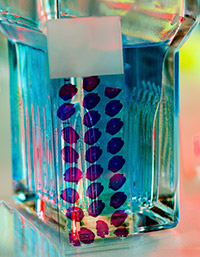
James Palis, M.D. leads an interactive group of NIH-sponsored investigators focused on better understanding the cellular and molecular events underlying hematopoiesis- the development of the blood-making system. For more information, visit the Palis Lab.
Craig A. Mullen, M.D., Ph.D. leads a laboratory that studies the interaction of leukemia cells with supportive elements in the bone marrow in order to develop therapies that will interfere with leukemia survival and prevent relapse.