Eczema (Atopic Dermatitis)
Make Appointments & Get Care
What is Eczema (Atopic Dermatitis)?
Atopic dermatitis—often called eczema because it is the most common type of eczema—is a long-term (chronic) skin disease that causes dry skin, intense itchy skin, and inflamed skin patches.
Eczema is not contagious. It typically begins in infancy or early childhood (within the first year of life) and often affects people with atopic dermatitis into their teens or adulthood, though it rarely begins in adulthood .
This condition reflects a weakened skin barrier, making the skin more fragile and vulnerable to skin infections, especially by Staphylococcus aureus.
What Causes Eczema?
Eczema (atopic dermatitis) can be caused by many factors, including:
A family or personal history of allergies, hay fever, or asthma increases the risk of developing eczema.
Genetic variations in skin barrier proteins may play a role in skin barrier defects and eczema.
Environmental factors like dry conditions or low humidity can worsen symptoms and may contribute to risk of developing eczema.
What Are the Symptoms of Eczema?
In infants and young children, eczema usually affects areas like the face, scalp, elbows, knees, or folds of the body. The skin may appear raw or weepy.
In older children and adults, it may appear on hands, feet, arms, or neck. The skin may become thickened and have dry patches.
Additional signs and symptoms include:
- Intense itchiness
- Dry, scaly, or inflamed skin
- Redness or darkening of skin, depending on skin tone
- Small bumps
- Bacterial skin infections, due to breaks in the skin barrier
People with atopic dermatitis often face mental health effects—from sleep disruptions to anxiety or depression—especially when chronic itch impacts daily life or school and work performance.
Treatments for Eczema (Atopic Dermatitis)
Diagnosis
Your health care provider will review medical and family history, with a focus on allergies, food allergies, asthma, and hay fever. They will perform a physical exam and may order allergy testing if needed.
Treatments
While there is no cure for atopic dermatitis, treatment focuses on calming inflammation, reducing itching, restoring the skin barrier, improving moisture, and preventing infection. Treatment choices will depend on severity, symptoms, age, and general health.
Skin Care and Barrier Restoration
Gentle, fragrance‑free cleansers and lukewarm baths
Daily application of moisturizers or barrier restoration creams
Avoidance of known triggers: heat, stress, wool or harsh fabrics, soaps, detergents, and environmental allergens
Medications
In severe cases, medication might be prescribed, such as:
Antihistamines: These medicines, such as diphenhydramine and hydroxyzine, are taken by mouth, can help reduce itching. They may cause drowsiness, though some newer antihistamines don’t.
Steroid creams: Applied to the skin, these help ease inflammation, itching, and swelling. Many topical steroids are available in different strengths. If overused, they can cause skin thinning and discoloration.
Systemic corticosteroids: These are only used for short periods of time to stop flare-ups, as they can have serious side effects from long-term use. They are used for severe cases to ease inflammation, which can relieve itching. They are available as a pill, liquid, or shot.
Oral antibiotics: Scratching the affected skin can bring bacteria to the area, which can lead to infection. Antibiotics kill bacteria that cause infections.
Topical calcineurin inhibitors: These are nonsteroidal medicines applied to the skin. They stop a part of the immune response that causes redness and itching.
Cyclosporine: This medicine is used to treat atopic dermatitis that doesn’t respond to other treatments. It works by suppressing the immune system, stopping it from overreacting, and it helps prevent flare-ups. But it has many side effects.
Methotrexate: This is another immunosuppressive medicine that can be used to manage atopic dermatitis long term. But one possible side effect is liver damage.
Topical PDE4 inhibitor: This medicine blocks an enzyme that plays a role in causing inflammation. It is put on the skin, often twice a day.
Biologic medicines: Several injectable and oral medicines are now available. These medicines are expensive and need to be monitored by a healthcare provider, but they can be very effective.
Phototherapy
Light therapy uses UV light of certain wavelengths to target the immune system, stopping the responses that lead to inflammation. Two types are used: ultraviolet (UV) light therapy and PUVA (chemophototherapy). PUVA therapy combines medicine and phototherapy. Patients should weigh the risks and benefits of light therapy with their healthcare provider.
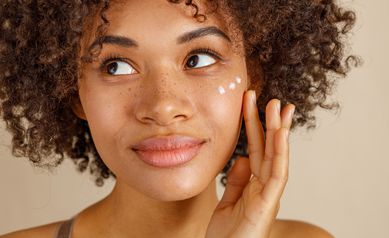
Best Eczema Treatments for Winter
Winter can bring suffering to the millions of people living with eczema. Dermatologist Lisa Beck provides tips for eczema patients looking to keep the winter woes at bay.
What Sets Us Apart?
University of Rochester Medicine Dermatology offers a full range of dermatology services for adults and children, with the expertise to help with everything from warts to skin cancer. Our experts combine patient-centered care with cutting-edge research on skin barrier and immune mechanisms.
Our expertise means our department can offer advanced care such as phototherapy, laser treatments, and innovative approaches like stress management to help our patients. When the services of a pathologist are needed, patients can see our on-site dermatopathologist.
As part of an academic health system, we’re involved in the latest research and clinical trials, where patients can be a part of the latest treatments.
Providers
Locations
View All LocationsWe serve you in the Rochester metropolitan area and surrounding region. Locations are ordered by distance, with those closest to listed first.
4 locations