Measles
What is Measles?
Measles is a contagious viral infection that causes fever and rash. Measles can affect people of all ages but is most serious in young children and adults who are not vaccinated.
What Are the Symptoms of Measles?
Common symptoms include:
- Fever (often high up to 105°F)
- Dry cough, runny nose, red and watery eyes (conjunctivitis)
- Koplik spots (tiny white spots inside the mouth, on the cheeks) before rash
- A red rash that starts on the face and spreads downward over several days
Measles can lead to serious complications like pneumonia, encephalitis (brain inflammation), and death, especially in young children and older adults.
What Causes Measles?
Measles is caused by the measles virus and spreads through the air via respiratory droplets. It spreads very easily when someone with measles coughs, sneezes, or talks.
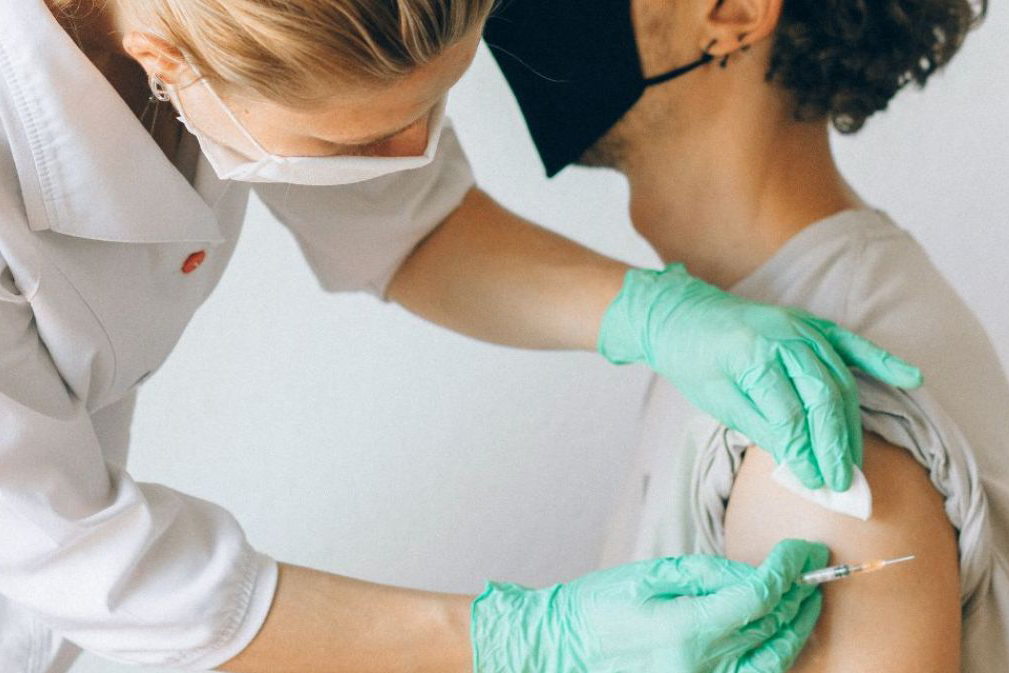
How Long Does the Measles Vaccine Last? What to Know About Measles in 2026
After a surge of measles in 2025 with 2,242 confirmed measles cases in the United States, measles circulation remains high in 2026. Here’s what you need to know about MMR vaccine effectiveness, symptoms to watch for, and how to keep your family safe.
Treatments for Measles
Vaccination (MMR) is the best way to prevent measles. It is recommended for all children and adults.
If you have been exposed to measles but have not been vaccinated, getting the vaccine shortly after exposure may help prevent or reduce the severity of illness.
There is no specific treatment available for measles. Most healthy people recover with supportive care, which can include medicines for fever and itch relief.
What Sets Us Apart?
University of Rochester Medicine physicians, nurses, and therapists specialize in treating a wide range of infectious diseases, including measles, chickenpox, and shingles. Our experts offer convenient, comprehensive treatment for children and adults.
World-class researchers staff our Infectious Diseases Research Clinic, where our National Institutes of Health (NIH)-designated Vaccine and Treatment Evaluation Unit (VTEU) conducts clinical trials of new vaccines, treatments, and diagnostics.