
A Weekend in Los Angeles: Using Data Science to Improve Reproducibility in Neurorehabilitation Research
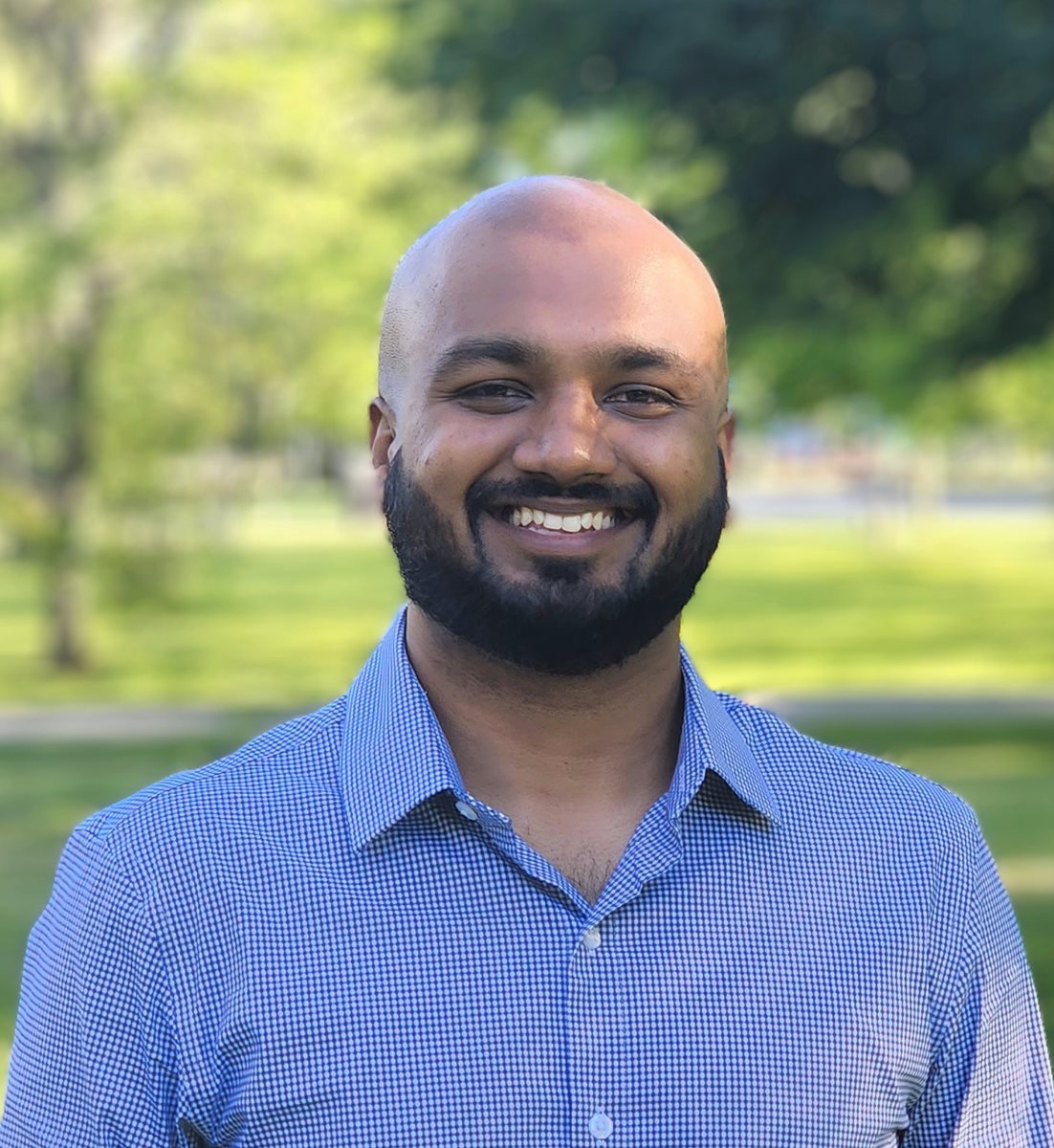
by Aaron Huynh, B.S., PhD Student in the Neuroscience Graduate Program
What opportunity did you attend, and what goals did you set for yourself at the event?
I am a third-year PhD student in the Neuroscience Graduate Program (NGP). I work in the Movement and Plasticity Lab (MAPL) under the mentorship of Ania Busza, MD, PhD. My thesis work in the lab has focused on improving the characterization of motor control abnormalities in the upper extremity of Strong Memorial Hospital patients who’ve recently had a stroke.
This past weekend, I attended the 3rd annual Reproducible Rehabilitation (ReproRehab) Research Summit as a Learning Fellow at the University of Southern California (USC) in Los Angeles, California. ReproRehab is a research education program that “aims to build a sustainable national workforce of rehabilitation researchers equipped with basic data science skills.” I was accepted into the program in the spring of 2025 with the hopes that this learning experience would help advance my thesis work and make me a more well-rounded investigator.
I arrived at USC with the intent to absorb as much knowledge as possible. Attendees of this research summit included a mix of clinicians, students, postdocs, and primary investigators who are well-established leaders in the field. I was fortunate enough to be able to pick their brains not only about their specific research interests but also about their individual journeys to help guide the next stages of my training.
What did you gain from this experience, and how did the funding myHub provided assist you?
The research summit was an opportunity for me and the rest of the 2025-2026 Learners cohort to introduce ourselves to each other as well as our teaching assistants, the leadership team, and alumni from the program. We learned about the purpose and history of this NIH-funded R25 research education program, received lectures from faculty, alumni, and new learners, and discussed our own goals through our participation in this program. For myself, the most beneficial parts of this weekend were the built-in networking opportunities. It was an amazing weekend to discuss with others passionate about neurorehabilitation.
When I applied, my ability to afford the cost of travel and lodging to this conference was a personal concern. I met with Eric Vaughn, MS to discuss the possibility of using this learning fellowship to satisfy the remaining elective requirements for my degree. During this process, he offered assistance in figuring out how I may attend the summit in person through funds from myHub. I would not have been able to attend the summit in person had it not been for the support from Eric and the rest of the myHub team—something I’ve been incredibly grateful to have since I was a PREP student at URMC.
How will this experience support your current and future career goals?
My participation in this research education program will not only advance the specific goals of my thesis, but it will also improve my ability to make research accessible and reproducible to my mentees and other investigators in the field—a topic that is not often emphasized during training. Joining this community additionally jump-started my ability to network within the field and identify more mentors and potential paths for me post-PhD.
Katherine Bognanno | 10/9/2025