
Lyme Disease: Prevention and Symptoms
Key Takeaways
- Lyme disease is a bacterial infection spread to humans by the bite of an infected black-legged (deer) tick.
- In most cases, a tick must be attached for at least 24 to 36 hours before Lyme disease can be transmitted.
- Early Lyme disease symptoms can include a bull's-eye rash, fever, fatigue, headache, muscle aches, and swollen lymph nodes.
- Most people recover completely when Lyme disease is diagnosed and treated early with antibiotics.
- Prevent tick bites by using insect repellent, avoiding tall grass, wearing protective clothing, and checking yourself, children, and pets for ticks after spending time outdoors.
Our emergency department and urgent care teams are seeing a much higher number of tick-related visits compared to this time last year. One of the major concerns after a tick bite is Lyme disease.
What is Lyme Disease?
Where to Seek Care
Although a tick bite is concerning, an ED visit isn't usually necessary. URochester Medicine providers can treat tick bites virtually. If you need assiystance removing a tick, find a URochester Medicine Urgent Care near you.
URochester Medicine infectious disease experts Alok Gupta, MBBS, and Brenda Tesini, MD, emphasize the importance of awareness and prevention, and knowing what to do if you find a tick on you.
How to prevent tick bites
The best way to prevent Lyme disease is to avoid tick bites through proper precautions when spending time outside.
- Dress smart: Wear long pants with high socks to protect your legs. If it’s too hot outside for that, try to avoid areas with tall grasses, and walk in the center of nature trails where there’s less brush and undergrowth where ticks tend to live.
- Use insect repellent: The EPA has an informative guide that can help you find what kind of insect repellents are right for you and your family.
- Check for ticks: Conduct a full-body check using a mirror when you get home from tick-prone areas: pay special attention to your underarms, in and around your ears, and in your scalp and hair. Don't forget to search your clothing as well.
- Check Others: Remember to check your children and pets.
What to Do If You're Bitten by a Tick
Remove the tick promptly.Use tweezers to remove it as soon as you see it. Use steady, even pressure to pull the tick away. Do not use heat or other remedies. Clean the bite area with soap and warm water.Know the risk.
What Does a Lyme Disease Rash Look Like?
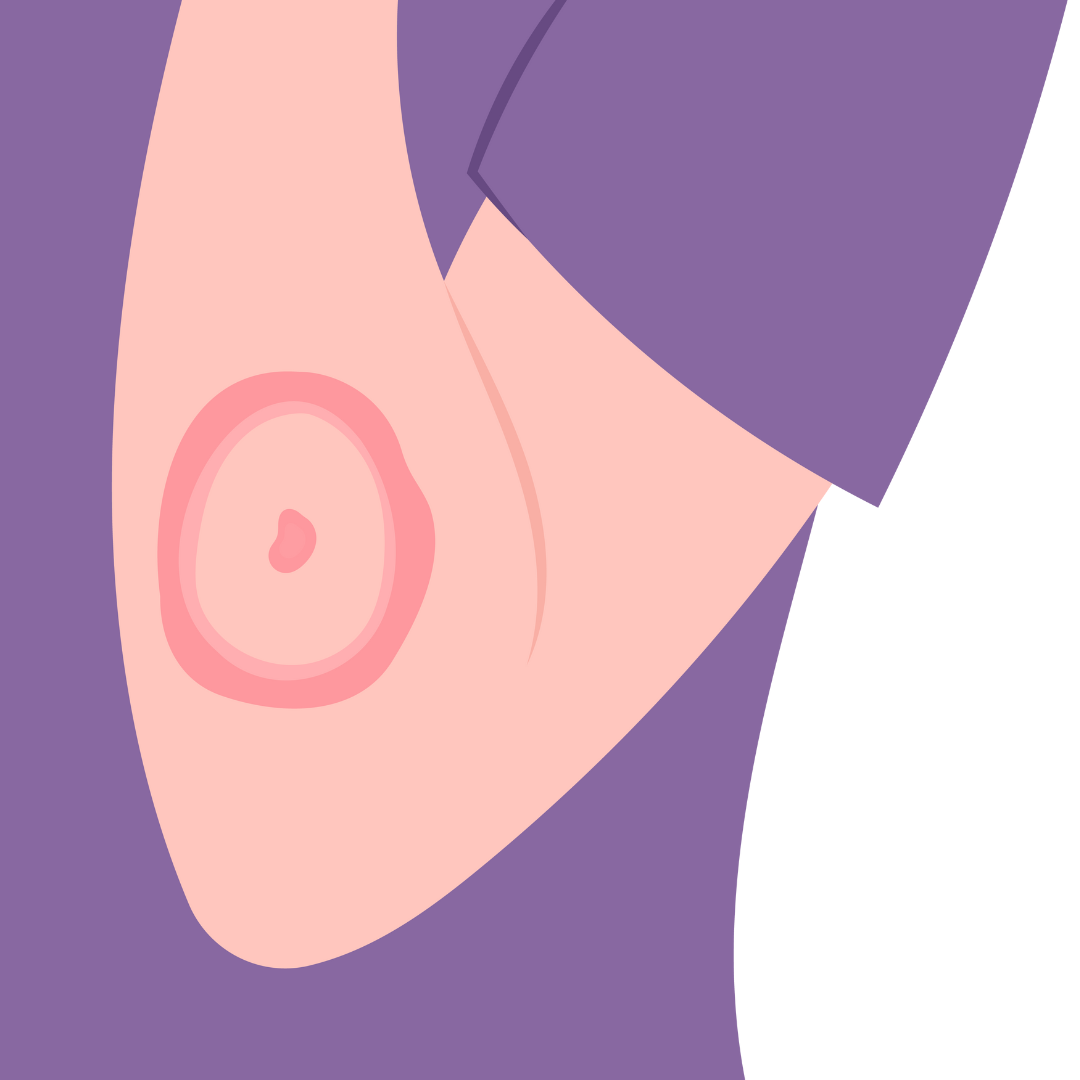
- fever
- aches
- swollen glands.
Can Lyme Disease Be Cured?
If you experience any of these symptoms after a tick bite, contact your doctor right away. When treated in a timely manner with antibiotics, most people will recover quickly. In a small number of cases, symptoms can last up to six months after treatment but usually get better over time.
Do Ticks Go Away in the Winter?
While they do go dormant in colder months, ticks become active again when temperatures rise to 45 degrees or higher. With climate change causing warmer weather to arrive earlier and stay longer, ticks are now active for a much longer season than before.
Get Care Now
If you're concerned about a bug bite, rash, or any non-emergent health concern, see a URochester Medicine provider virtually today.
Connect with us!